2026 Porsche Cayenne Turbo review – The most powerful car you can buy
Only recently, I made the sweeping and somewhat heavy-handed statement that EVs have taken the excitement out of speed. That once you’ve done one ballistic acceleration run in an EV, you’ve done them all, and without a roaring engine, vibrations pulsating through the wheel and gearshifts jolting you in the small of your back, it all feels a bit sanitised. Well, as it turns out, all an EV needs to solve this conundrum is… even more power.
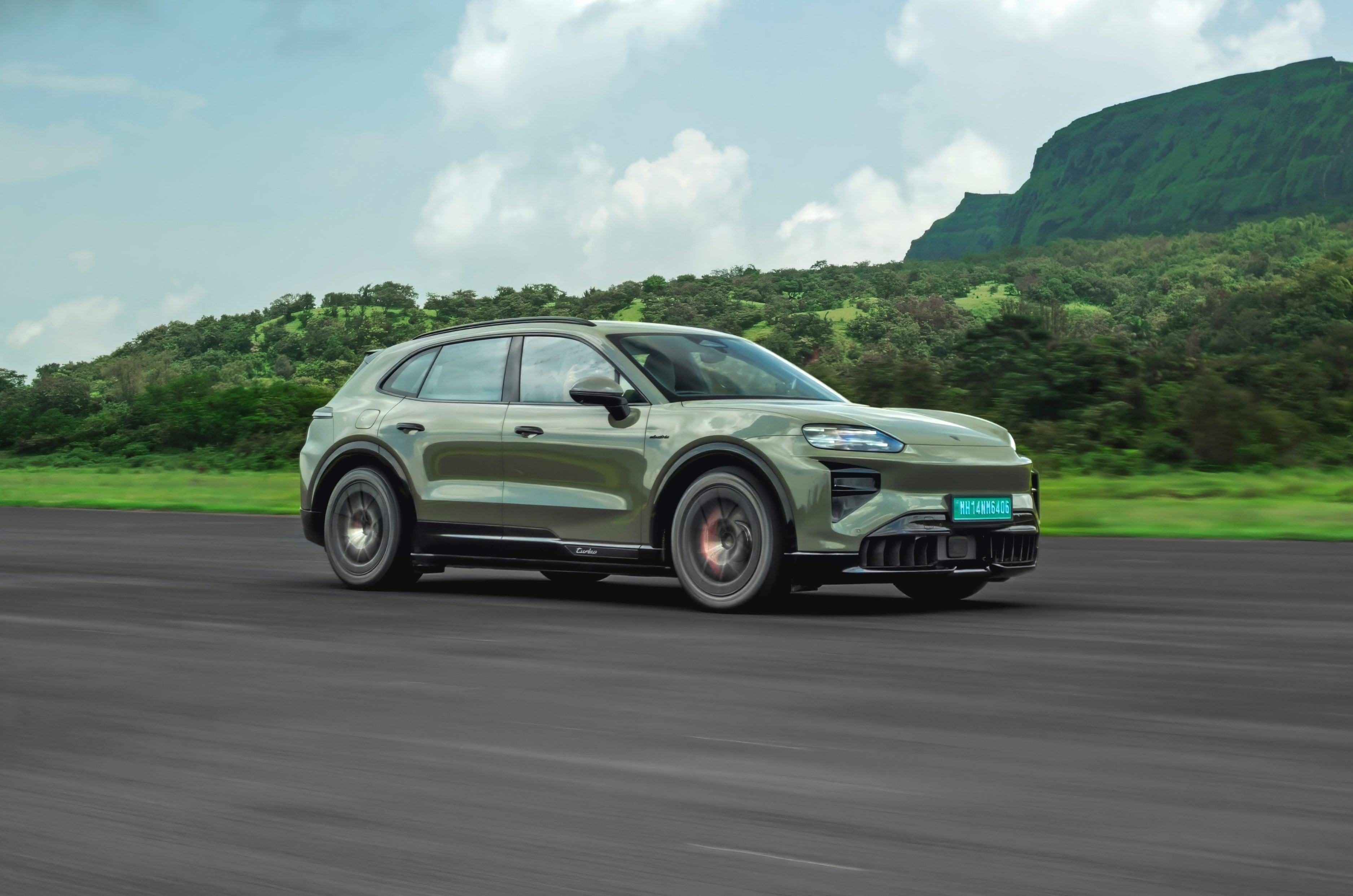
Remember when 1,000 horsepower was the sort of million-dollar pipe dream that we thought we’d only ever see on bedroom posters or YouTube videos? Well, it’s not that insane a proposition anymore, and in fact, three cars on sale in India have crossed the fabled 1,000hp mark. Two are ultra-exotic supercars that cost north of Rs 10 crore – the 1,015hp Lamborghini Revuelto and 1,050hp Ferrari Testarossa. And the third is this, the 1,156hp Porsche Cayenne Turbo Electric – a full Maruti Brezza more powerful than those Italian supercars – and yours for a fraction of the price, at Rs 2.28 crore.
That’s not a lot of money for what is the most powerful car ever to go on sale in India, and that raises a somewhat existential question. Have they gone too far?
2026 Porsche Cayenne Turbo Performance -
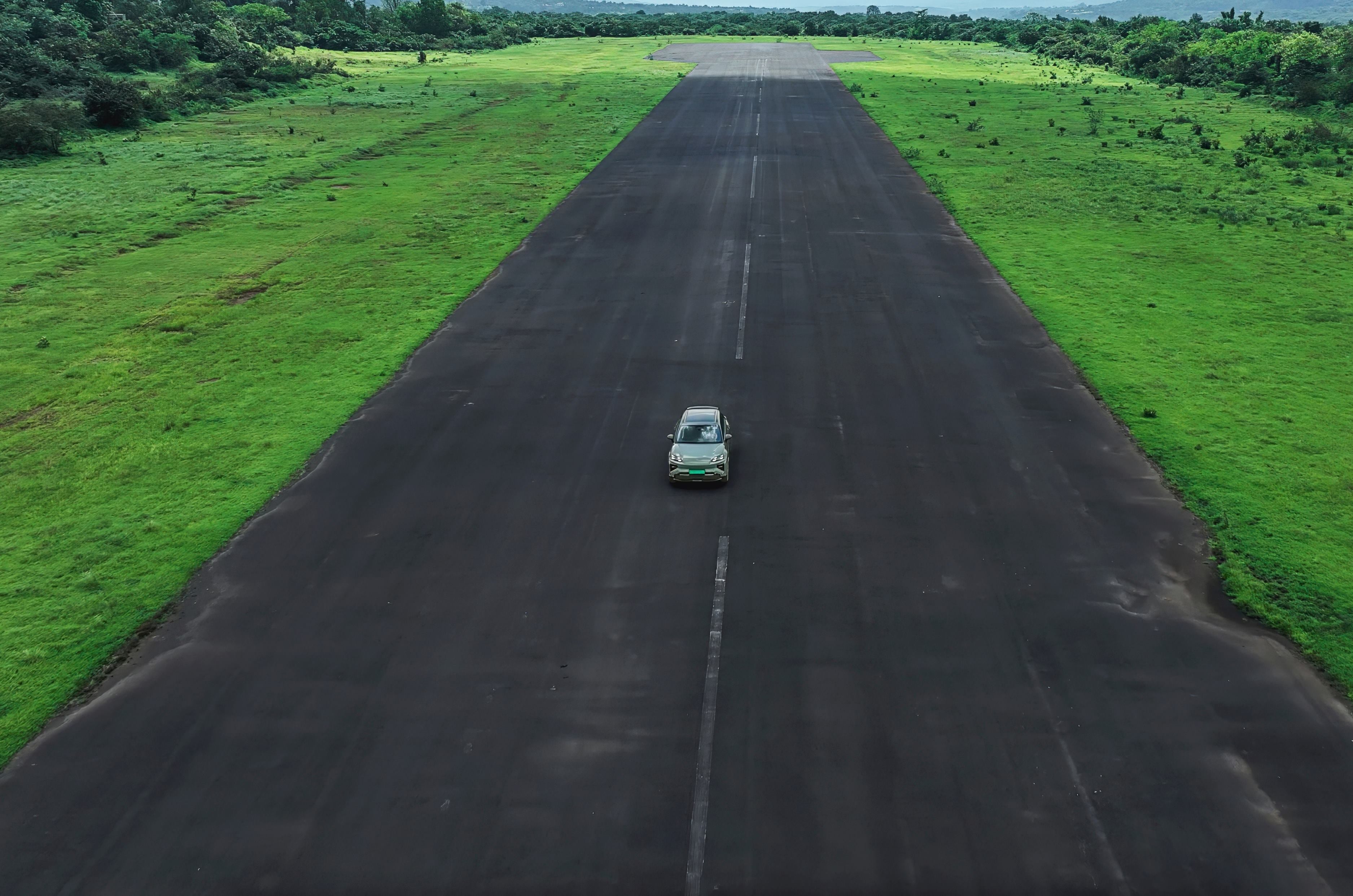
I have the Aamby Valley airstrip rolled out like a red carpet in front of me, perhaps the only place other than a race track where unlocking this hyper-SUV’s full accelerative potential is possible, and I’m about to let it rip. The process is familiar and simple enough. Twist the mode dial to Sport Plus, hold the brake with your left foot and mash the accelerator until it says ‘Launch Control Activated’. Up until this point, it’s nowhere near as dramatic as something with a four-digit power output has any right to be. The electronic sound it makes to signify all the power swelling up is gentle, and it doesn’t even give you any feedback through the pedals. Things are disconcertingly calm for what’s about to happen. I let go of the brake.
The nose lurches upwards and points to the sky like a fighter jet leaving an aircraft carrier, as the huge SUV squats onto its rear axle. It’s in this gut-twisting moment that I realise Porsche India hasn’t specified the Active Ride Control option on this car, which I’m told suppresses this issue by force-tilting the car forward, Power deployment is brutally efficient initially, with barely a chirp from the tyres and not a single of those 1,500 newton metres wasted off the line. But then I notice the nose start to go light and weave from left to right. I steady the wheel as the speed continues to build. With no engine weighing down the front axle and so much rearward lean, there is a frightening lack of traction from the front wheels at speed.
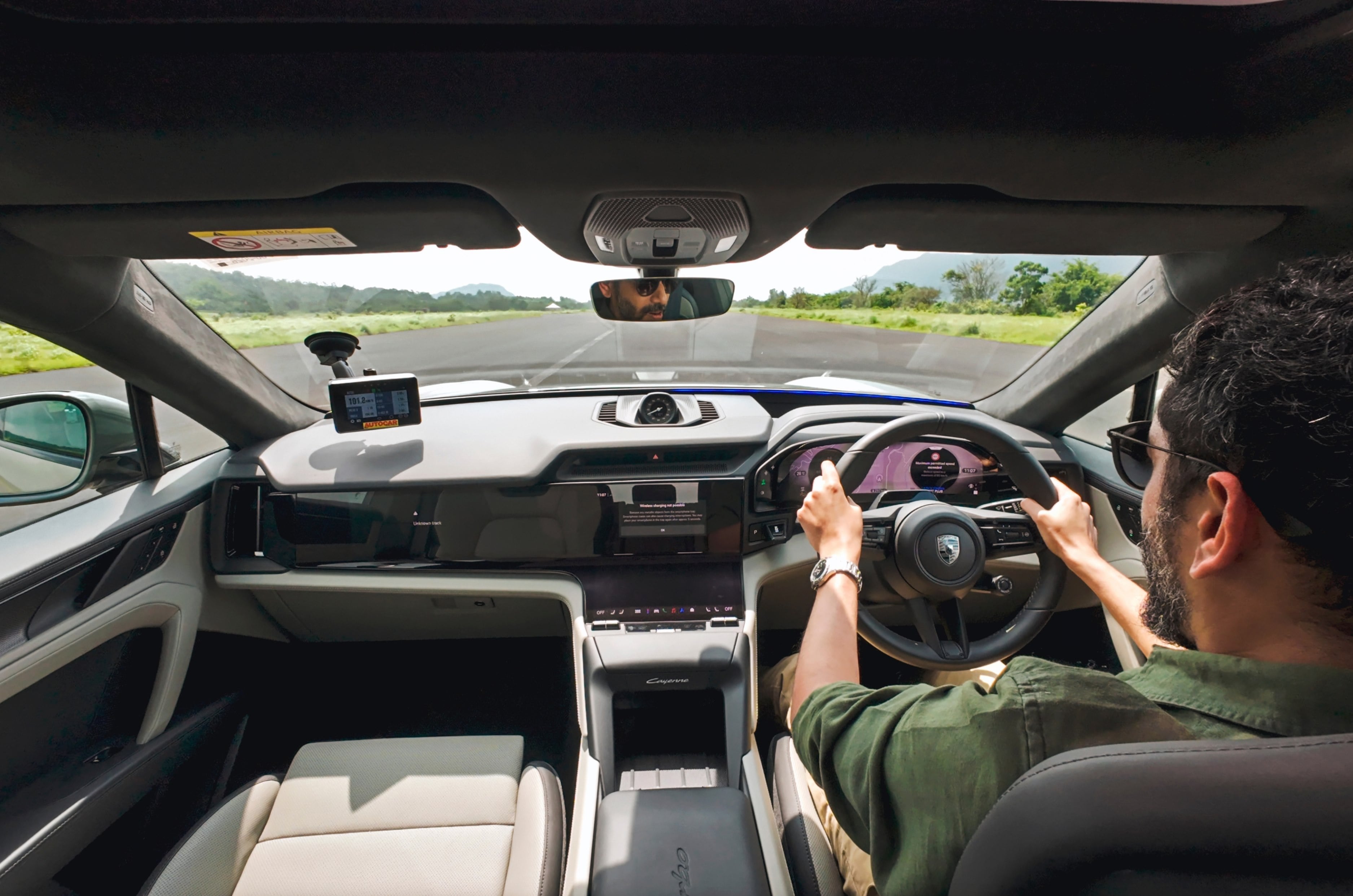
Never before has launching a car attacked so many sections of my body. It’s usually just the abdomen; a really fast car will wind you. Right now, my neck is straining as the head restraint is too far back, my cheeks are starting to ache like I’ve been pretending to find someone’s jokes funny for an hour, there’s a weird pressure coursing through my arms and legs, and my eyes are starting to water as they dart around in their sockets, not knowing what to focus on. Oh, and I’ve been winded well and good.
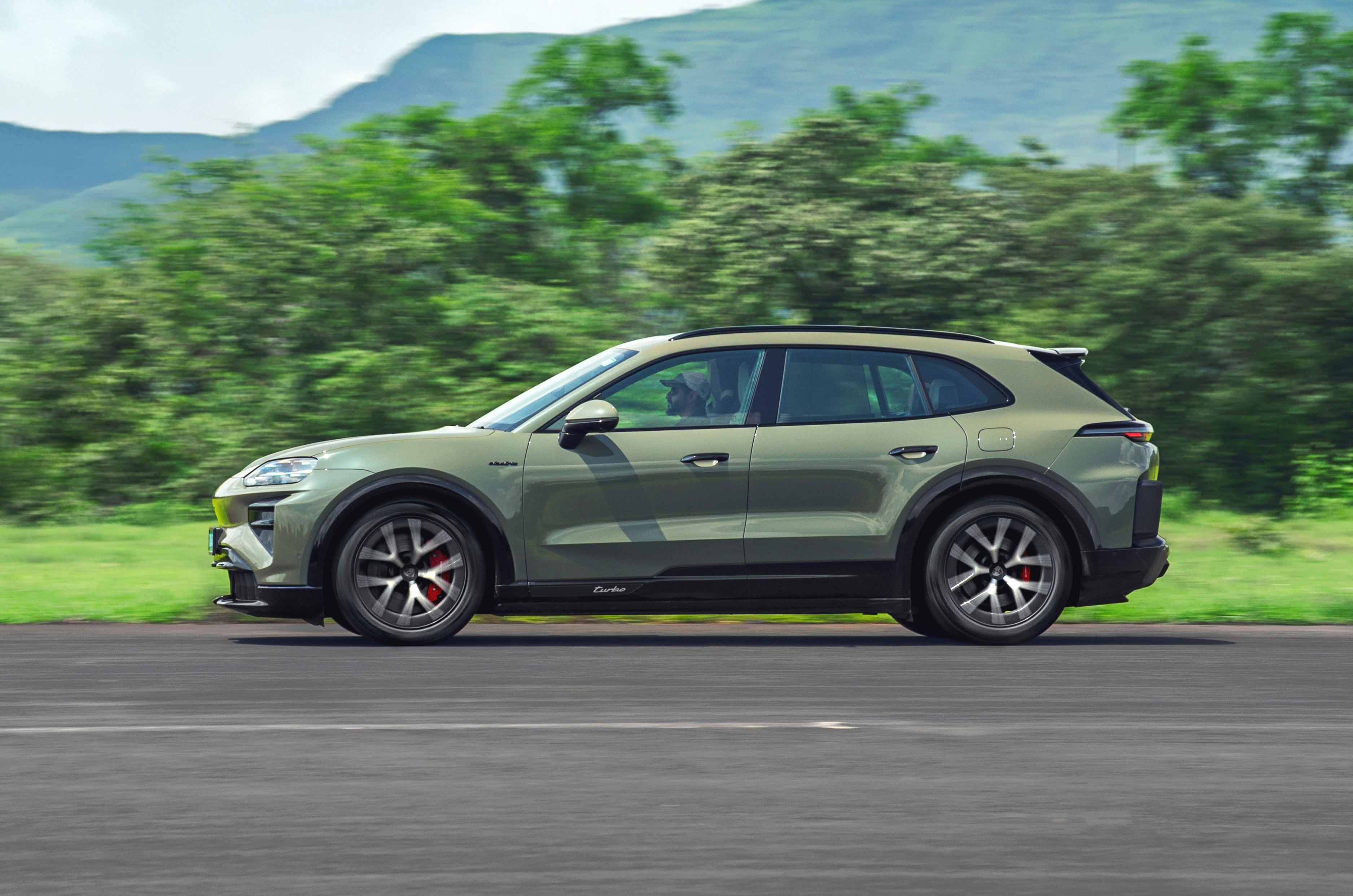
I’ve launched dozens of really, really fast cars down this very runway, but I don’t recall the scenery ever passing by so quickly. I can’t get a frame of reference so I glance down at the speedo. Two hundred and a blurry something; that’s way more than I expected to see and it’s climbing too fast. This doesn’t compute; it’s usually at this speed that I think about braking. But we aren’t even at the halfway mark yet; how? Brave face on, I keep my foot in. 230, 250, 27- wait, the brochure said it maxes out at 260. It lied. Then suddenly the braking point flashes by and I jump onto the wide pedal. All those forces reverse their polarity as the big Cayenne squirms down to a halt, still well clear of the end of the runway. Let’s do it again!
And it will do it again, and again, and again. Because if there’s one thing we’ve learnt about Porsches over the years, it’s that they’re engineered to perform repeatedly and consistently. The dual-motor Turbo has been certified to deliver a 2.5sec 0-100kph time; our VBOX confirmed the same several times over. But eventually, as the battery SOC dipped below 75 percent, the times started to go up, a tenth of a second at a time.
The biggest victim of the repeated runs, however, were the brakes – even for mammoth 420mm discs, arresting 2.7 tonnes is no joke, and soon their squeal was louder than their bite. I don’t usually advocate for carbon ceramic brakes on SUVs, but perhaps this is the one time Porsche India should have shelled out for the Rs 13.5 lakh option.
2026 Porsche Cayenne Turbo ride comfort and handling -
However, by the twenty-seventh-or-so sprint down the runway, the car seldom missing a beat and the excitement never waning, my body decided it had taken enough of a beating. From longitudinal g-forces, at least; the lateral attack was yet to come. So we waved goodbye to the gentleman in the tower, who’s probably used to seeing much slower-moving traffic on the runway, and made our way back to reality via the twisting roads leading down to Lonavala.
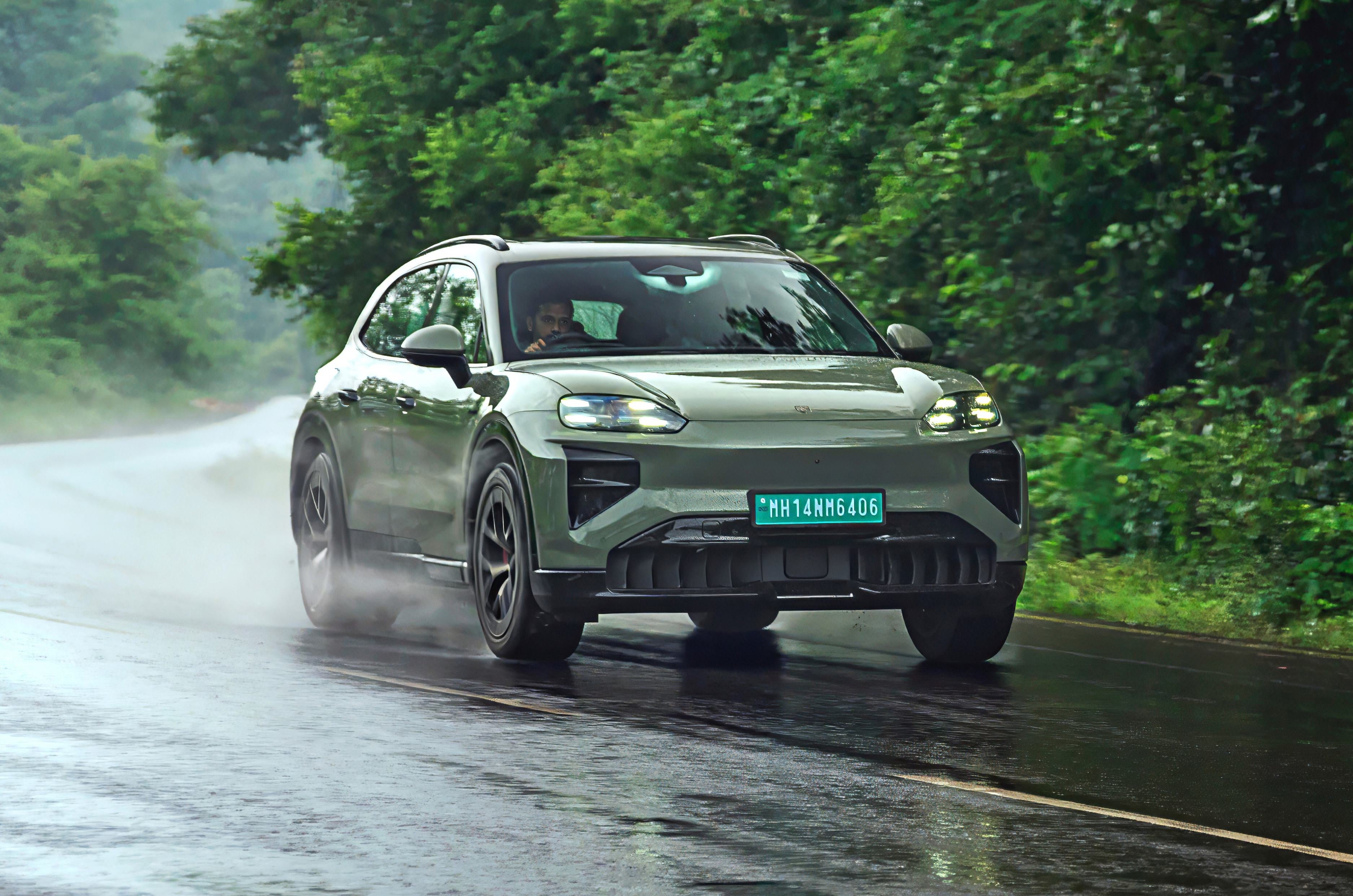
It’s been a few years since I’ve come to our old stomping ground of Tiger Point and its surrounding twisties, and I can’t think of a nicer car to reacquaint myself with my favourite corners in. Muscle memory kicks in as I enter the first, fast right-hander. I lean in instinctively, but then the car starts to lean too; unexpected. It does the same on the next left, and right, and once again I start to wish they specified that Active Ride Control option. Porsche engineers are usually among the best at taming big mass, but perhaps they’ve finally met their match.
On its standard air springs and adaptive dampers, the Cayenne Turbo displays a disappointing amount of body roll, exacerbated only by the enthusiasm from the motors that begging you to push it harder. The steering too is encouraging, what with the small-diameter wheel and the fact it’s as sharp and direct as you expect. Here, too, I will say that rear-axle steering would have added a welcome extra degree of agility, but once again, Porsche India hasn’t ticked the option. It can still link together a series of corners with greater alacrity than most other big SUVs, but for the first time in recent memory, I’m not feeling that distinct Porsche magic at my fingertips.
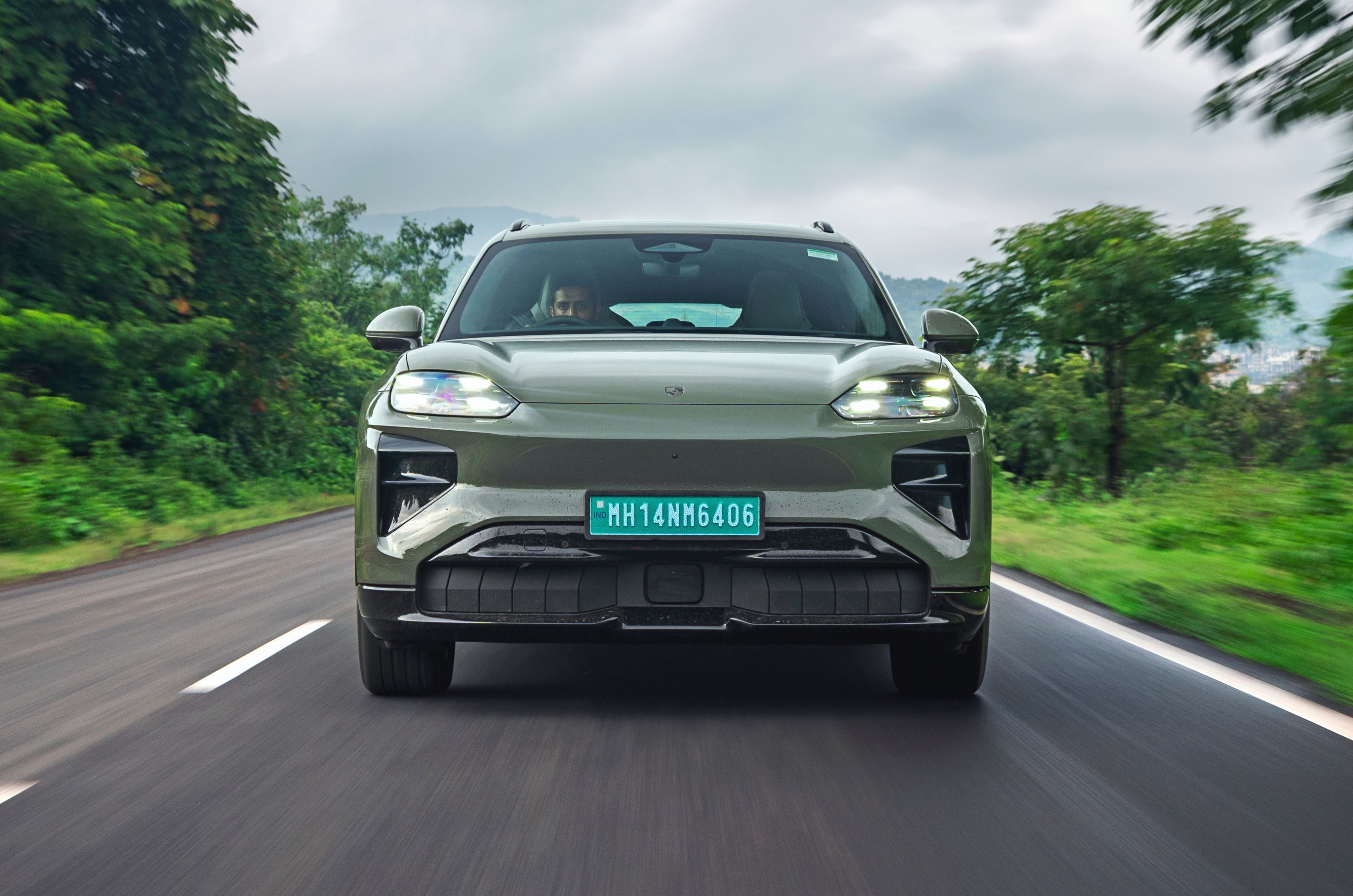
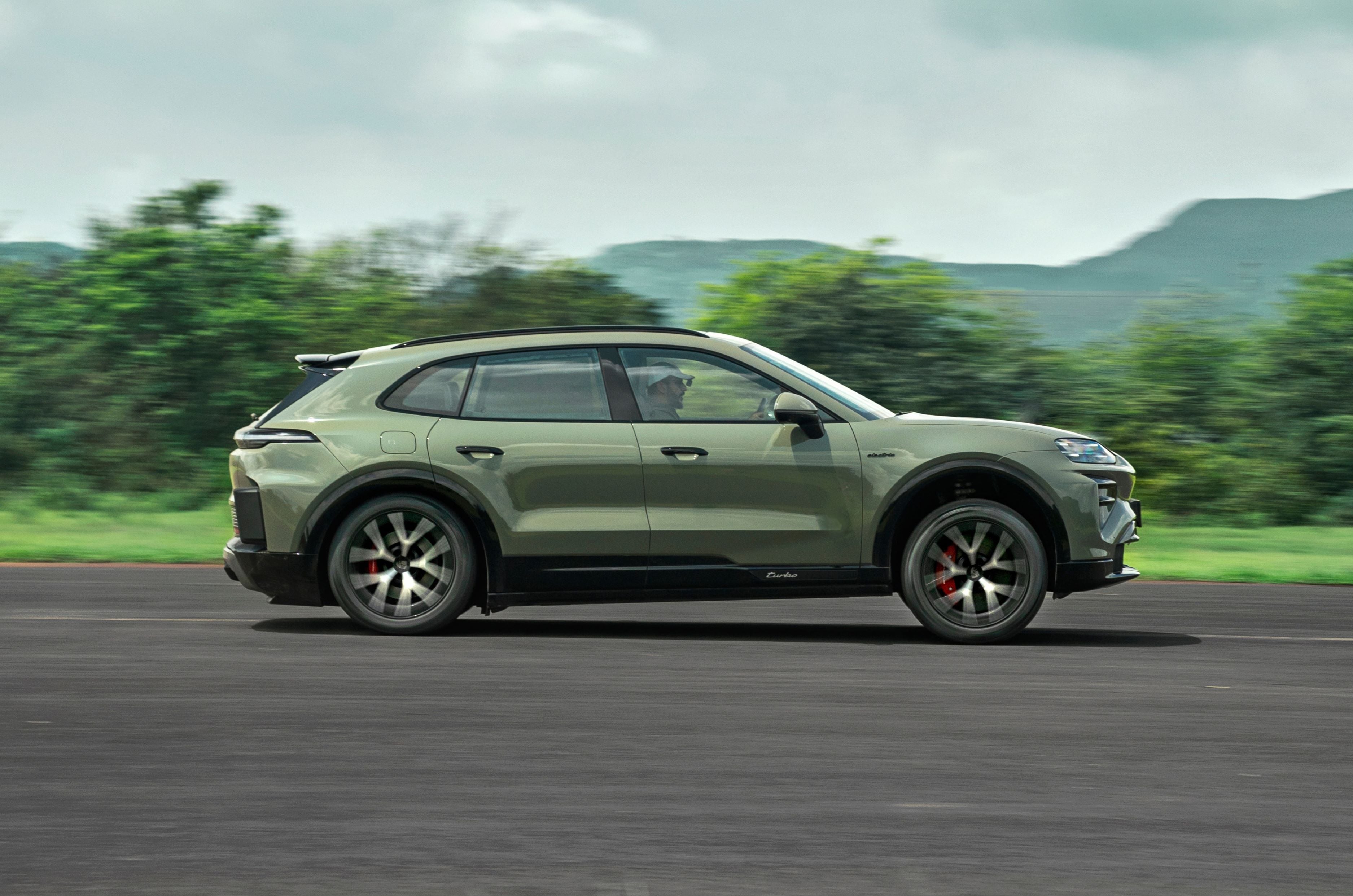
Through the narrow and bustling streets of Lonavala, I’m starting to explore the other end of this SUV’s capability spectrum. And that’s just the beauty of EVs, isn’t it? One minute you’re clocking 0-200kph in 7.4 seconds, the next you’re ambling silently through a school zone. Like the best of them, it’s refined, smooth and incredibly easy to modulate, and you could be forgiven for forgetting there’s 857hp at your behest (the full 1,156 only comes with launch control). One spec deficiency I’m glad for right now, however, is the choice of more sensible 21-inch wheels rather than the optional 22s. They don’t look as nice, but they’re soaking up the harsh hits from the rutted road beneath me.
2026 Porsche Cayenne Turbo range, battery and charging -
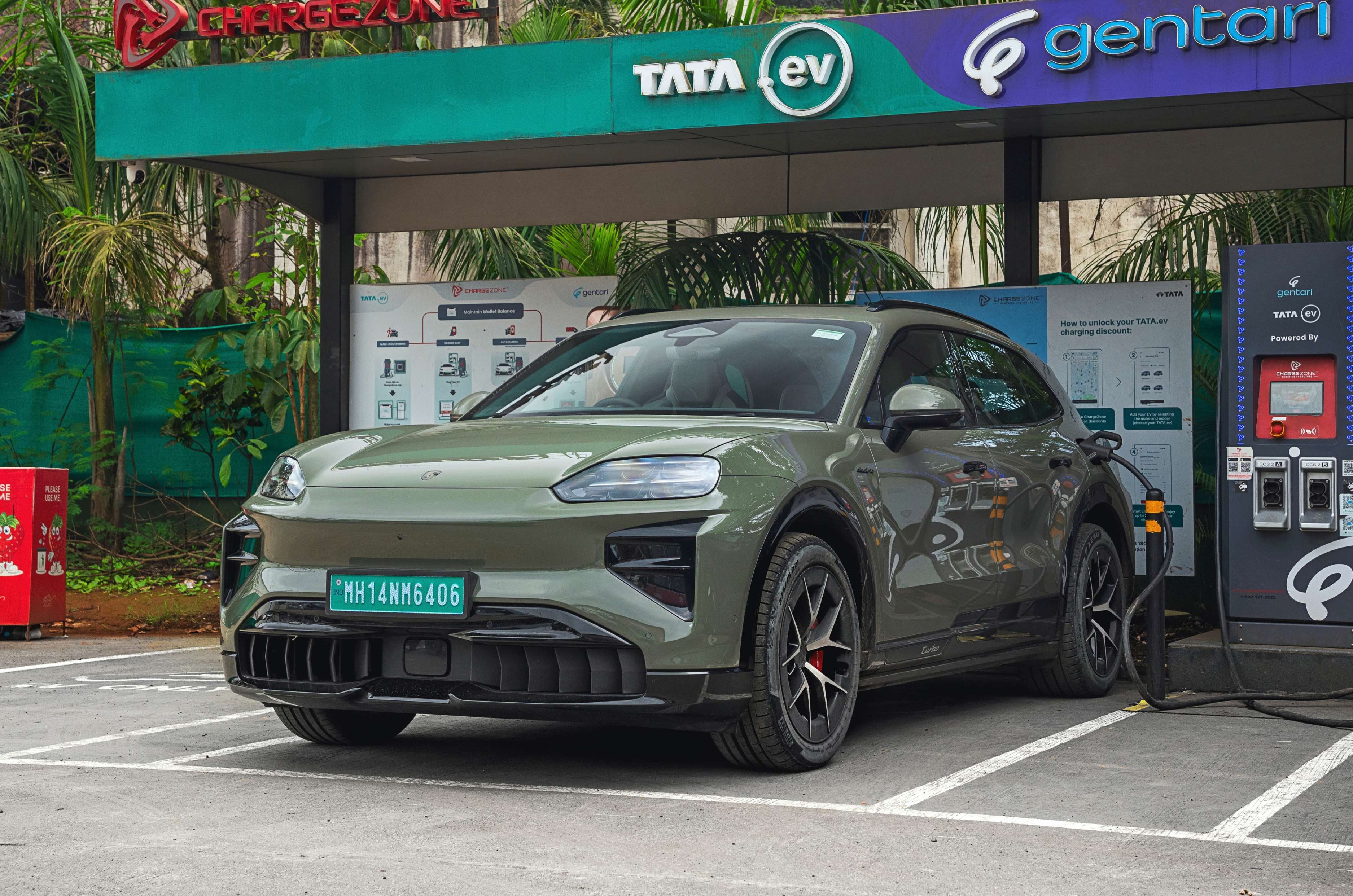
Between racing repeatedly down the runway and then trying to extract that Porsche spice in my favourite corners, I’ve reached Lonavala city with around 20 percent left in the 113kWh tank- er, pack? The Cayenne Turbo is rated at 623 kilometres on the WLTP cycle, so the ‘real’ real-world range should be far more palatable than this; to obliterate such a large chunk in such a short time requires the prolonged buffoonery I just subjected it to. Probably best to find a place to plug in soon, and grab some lunch while I’m at it. On a mythical 400kW plug, the Cayenne can be charged from 10-80 percent in just 16 minutes, but on a rainy Wednesday at a hill station, the best we can do is 60kW, so it’ll take much longer.
Today is a study in why India is far from ready for full EV adoption. Apart from ICE cars parked in charging spaces, malfunctioning plugs, unfathomable apps and an absent mobile network, we were also waylaid by two power cuts.
2026 Porsche Cayenne Turbo features and safety -
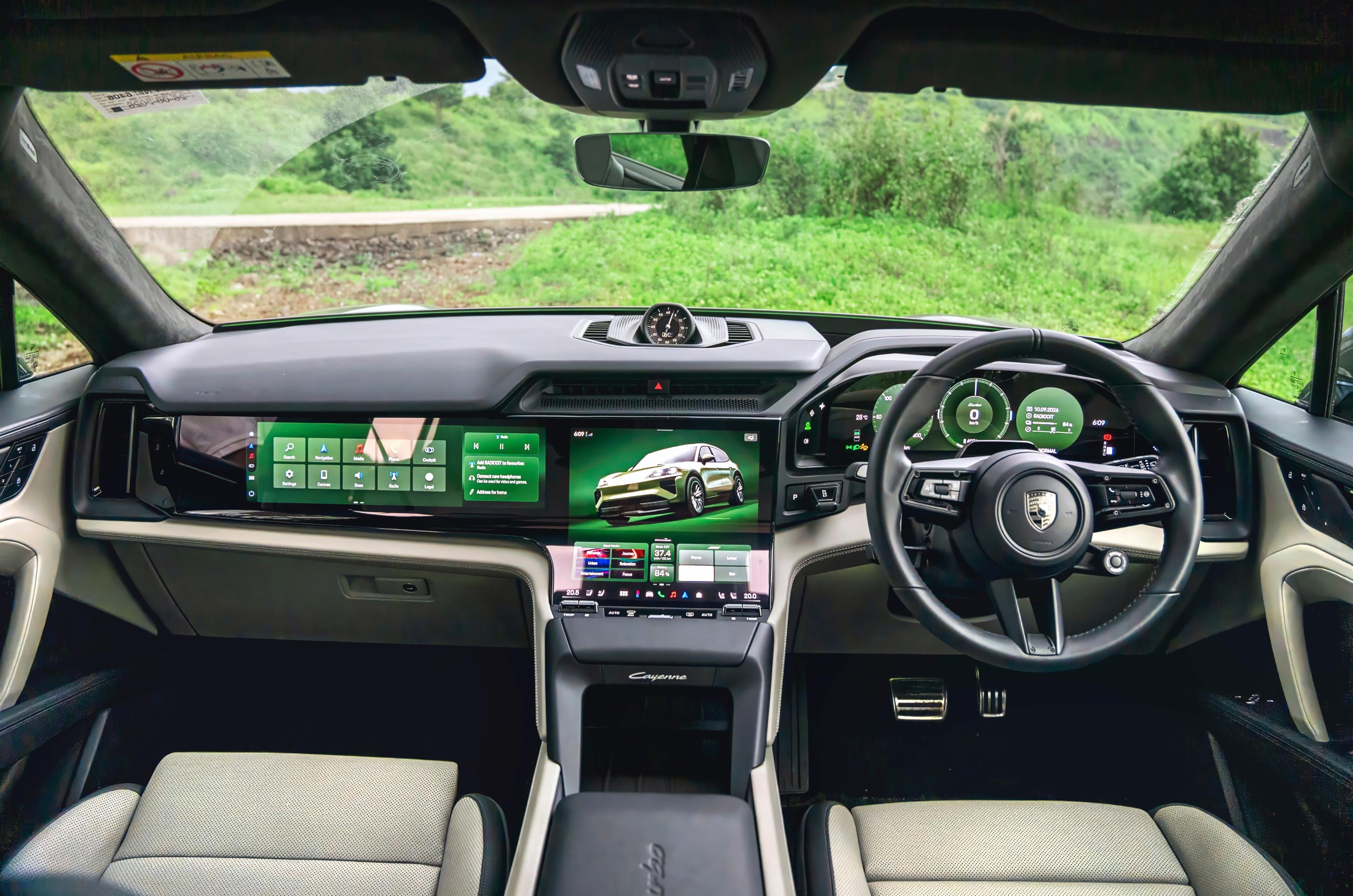
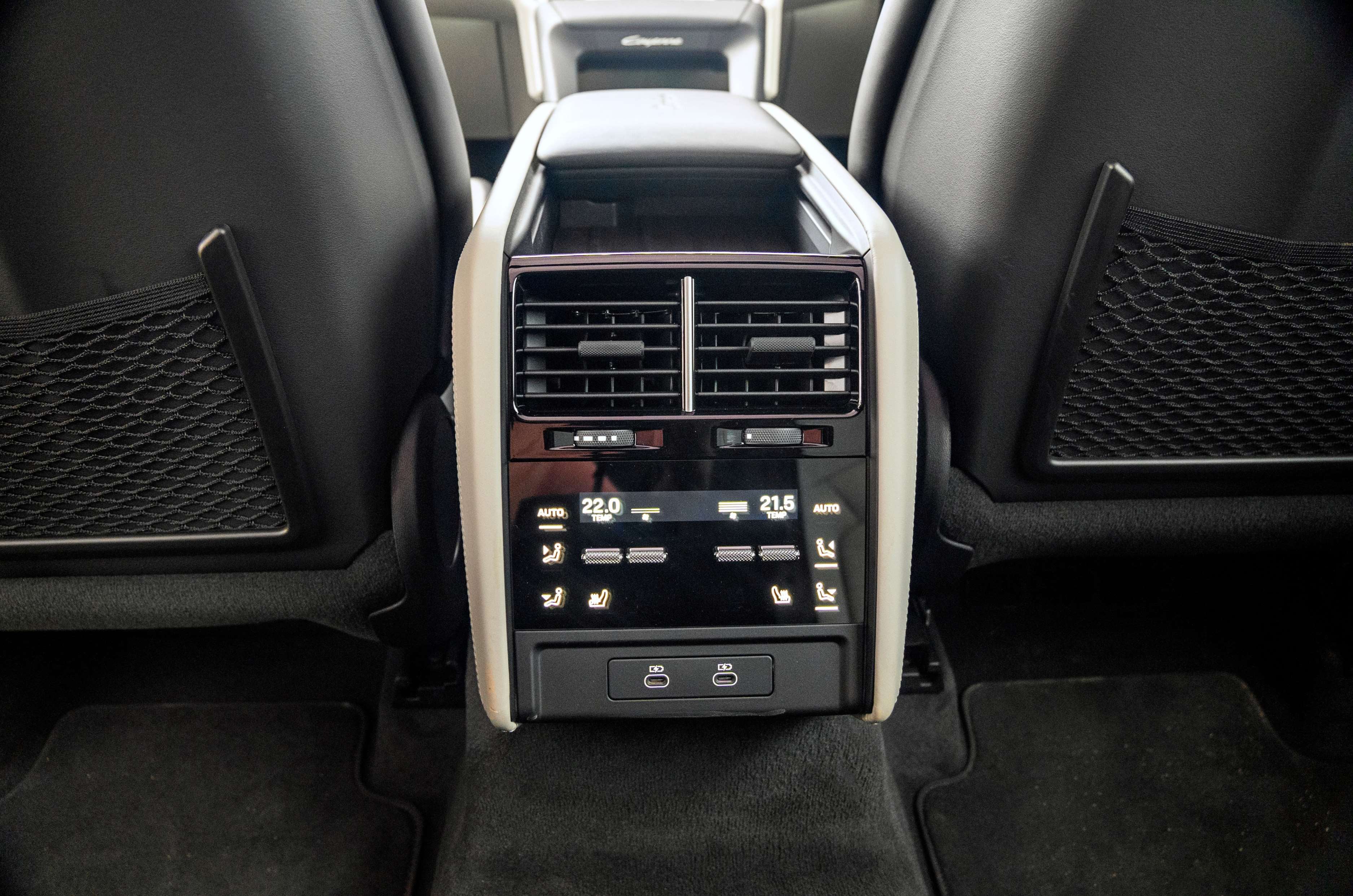
2026 Porsche Cayenne Turbo interior space and comfort -
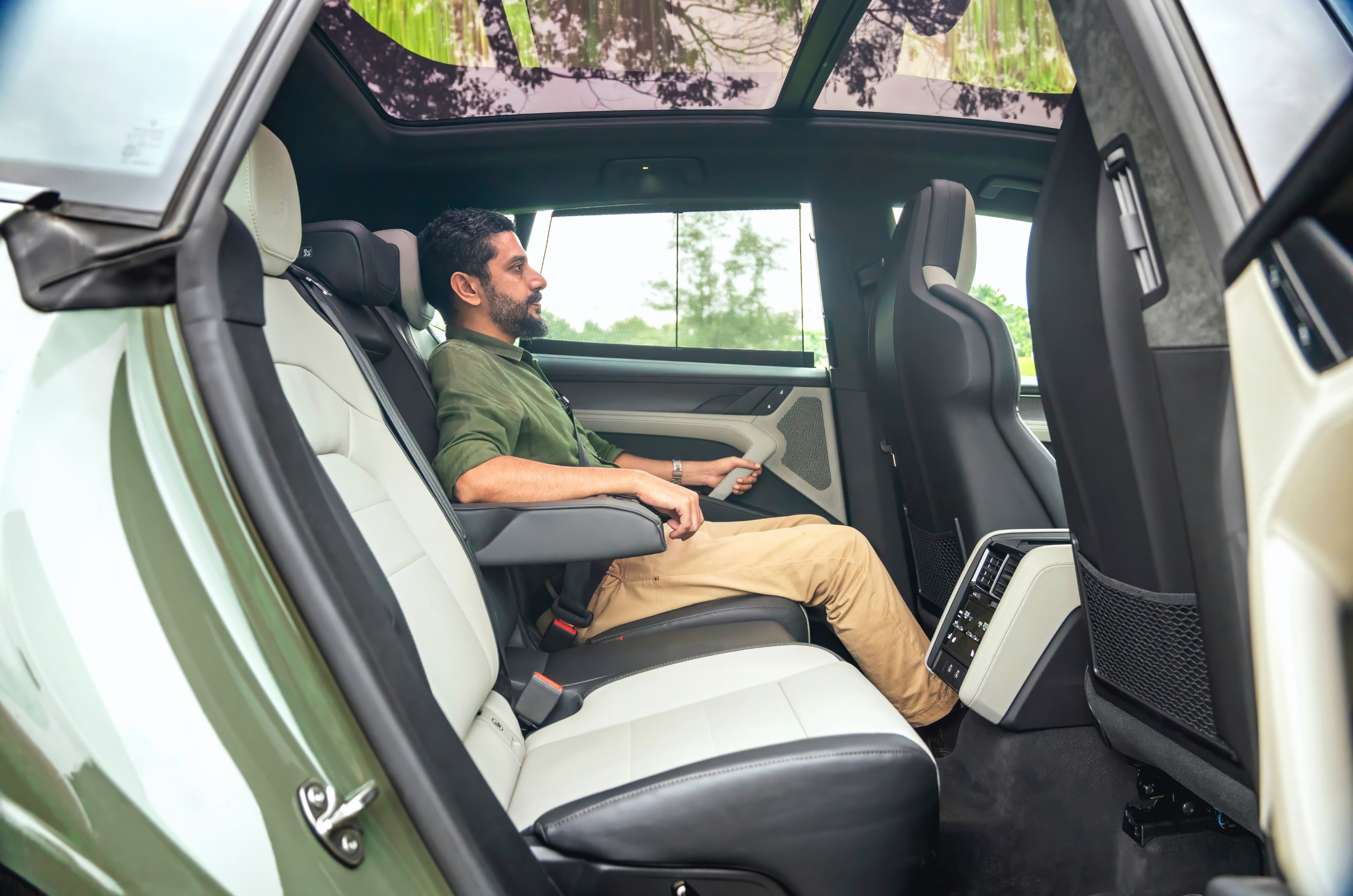
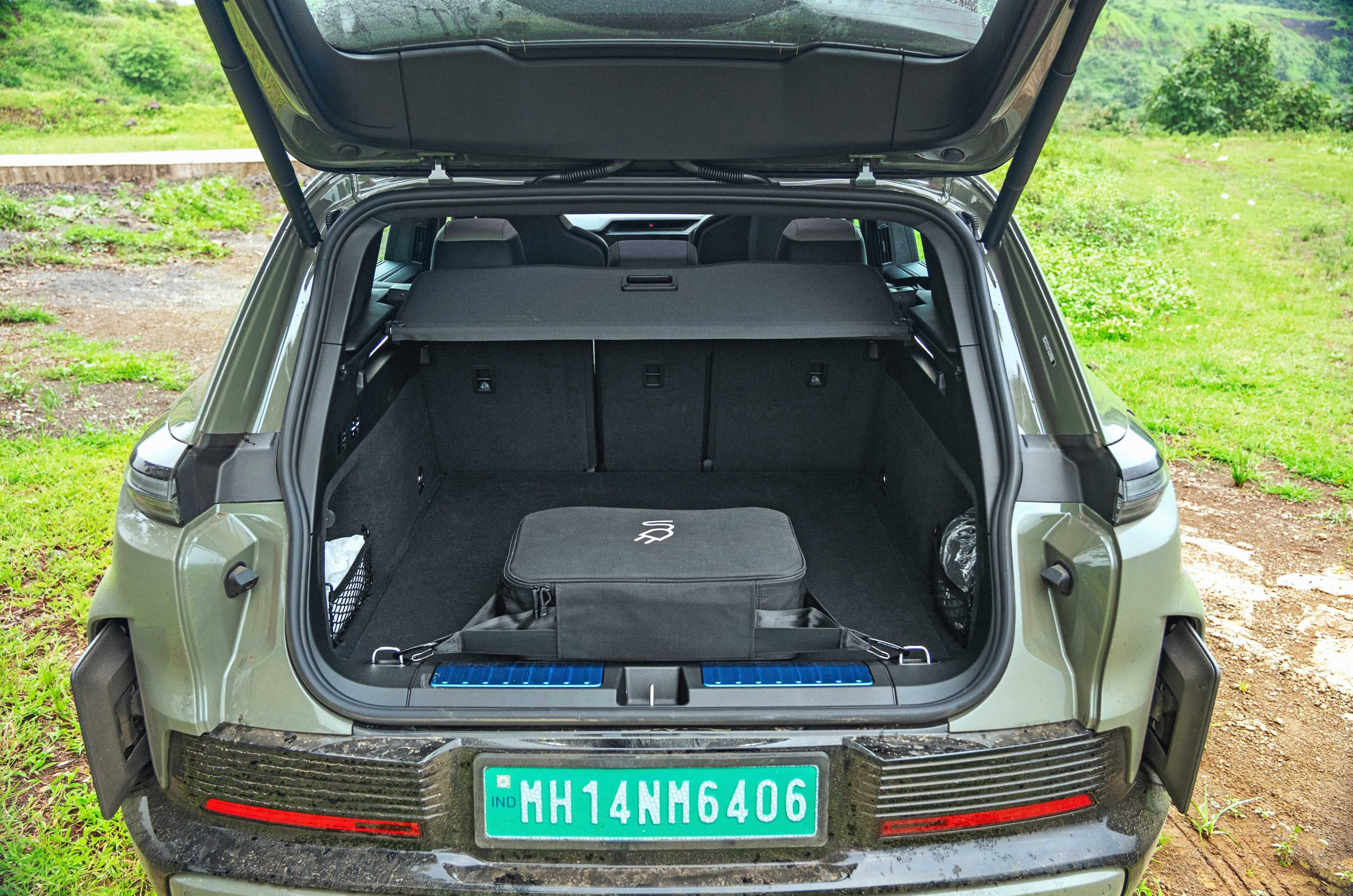
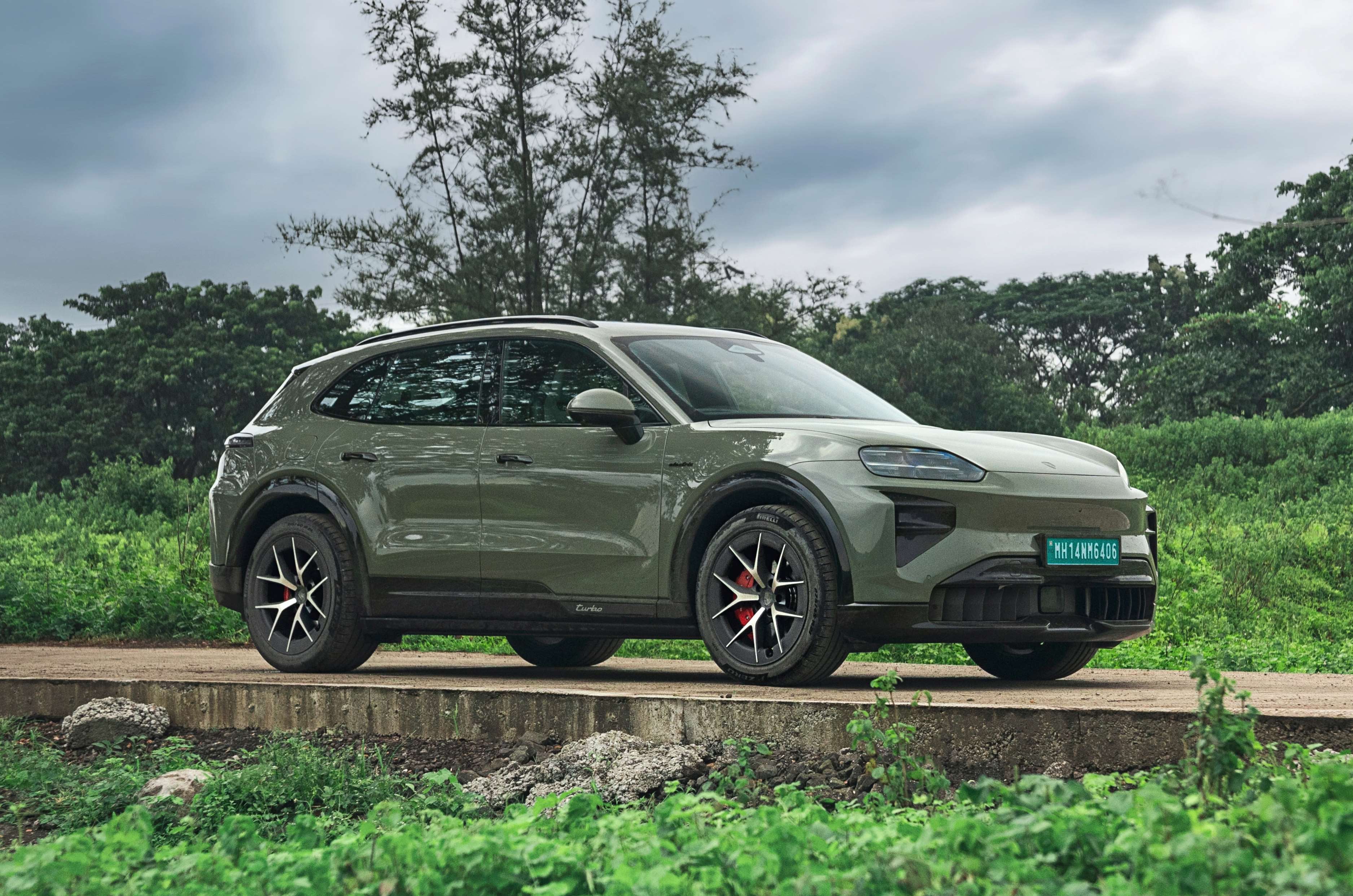
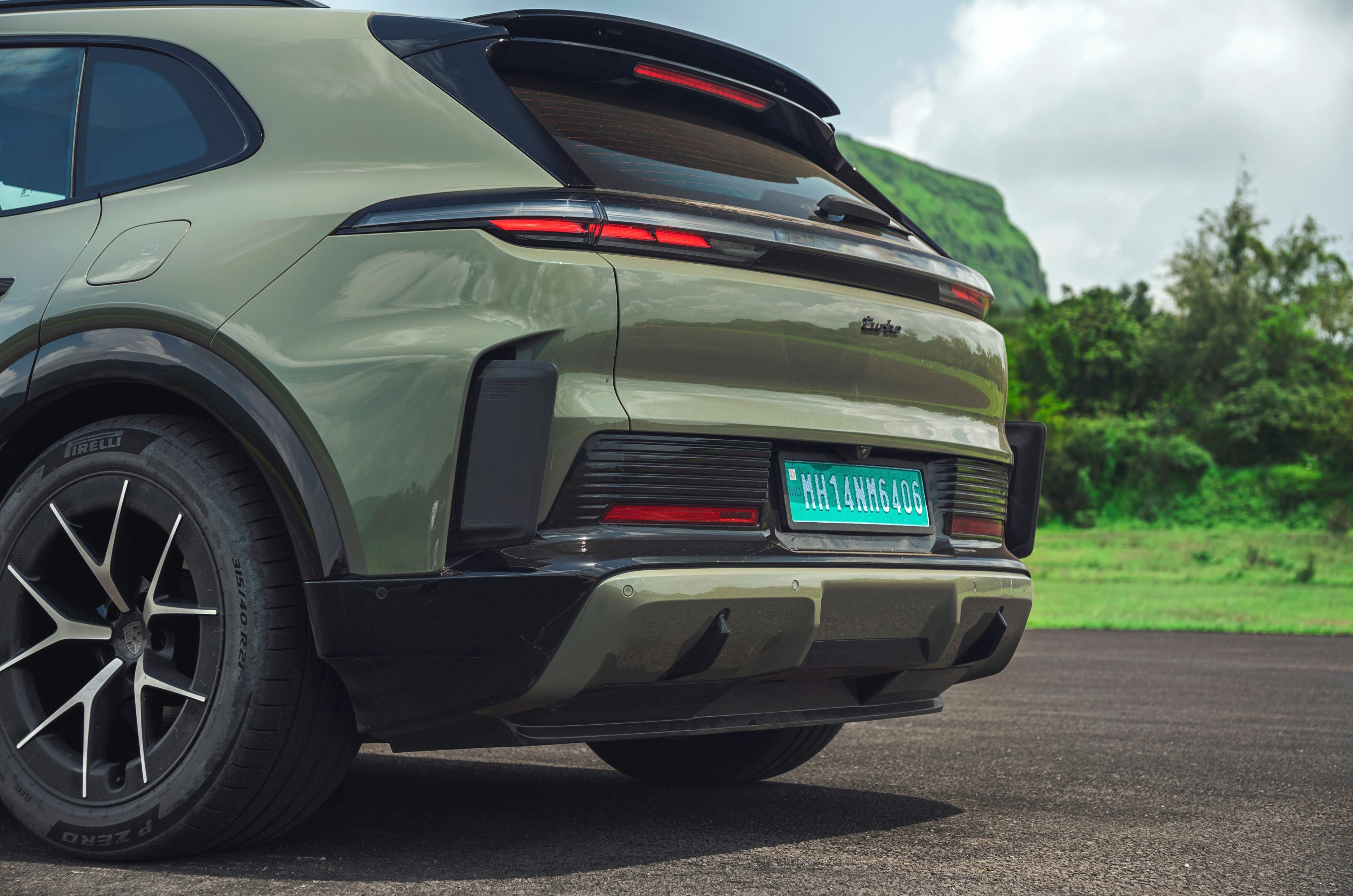
2026 Porsche Cayenne Turbo exterior design and engineering -
2026 Porsche Cayenne Turbo price and verdict -
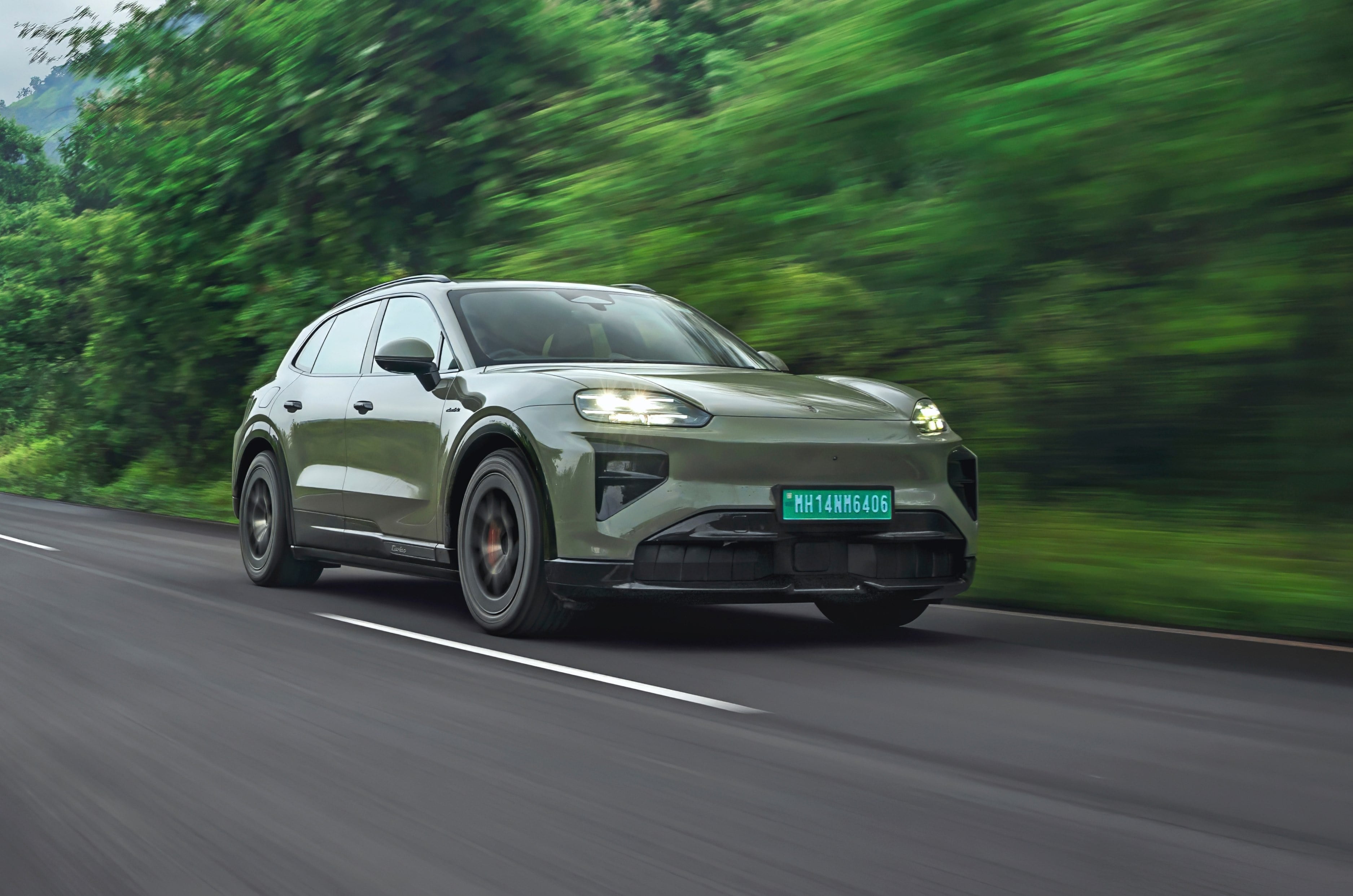
Is it wrong that for a car with such eye-watering headline figures, it’s the slow cruise back home that I appreciate the most? Having been pulverised by the acceleration in the morning, I’m happy to let the ventilated 18-way seats soothe my back, as my favourite tunes stream through 14 Bose speakers and adaptive cruise control keeps an Expressway pace.
Because it’s an EV, you can switch quite easily between its two personalities, and because it’s a Porsche, it does both reliably as many times as you need it to. Some of that special sauce has been lost along the way, and the smaller Macan Electric does a much better job in this regard, but I’d argue the Cayenne has an even greater breadth of ability. It’s easy to launch India’s most powerful car to stratospheric speeds, but it’s even easier to forget that you can, and perhaps that’s its biggest triumph
from Autocar India https://ift.tt/jREVTvK


Comments
Post a Comment