3 reasons to buy the Kia Syros EV and 2 not to
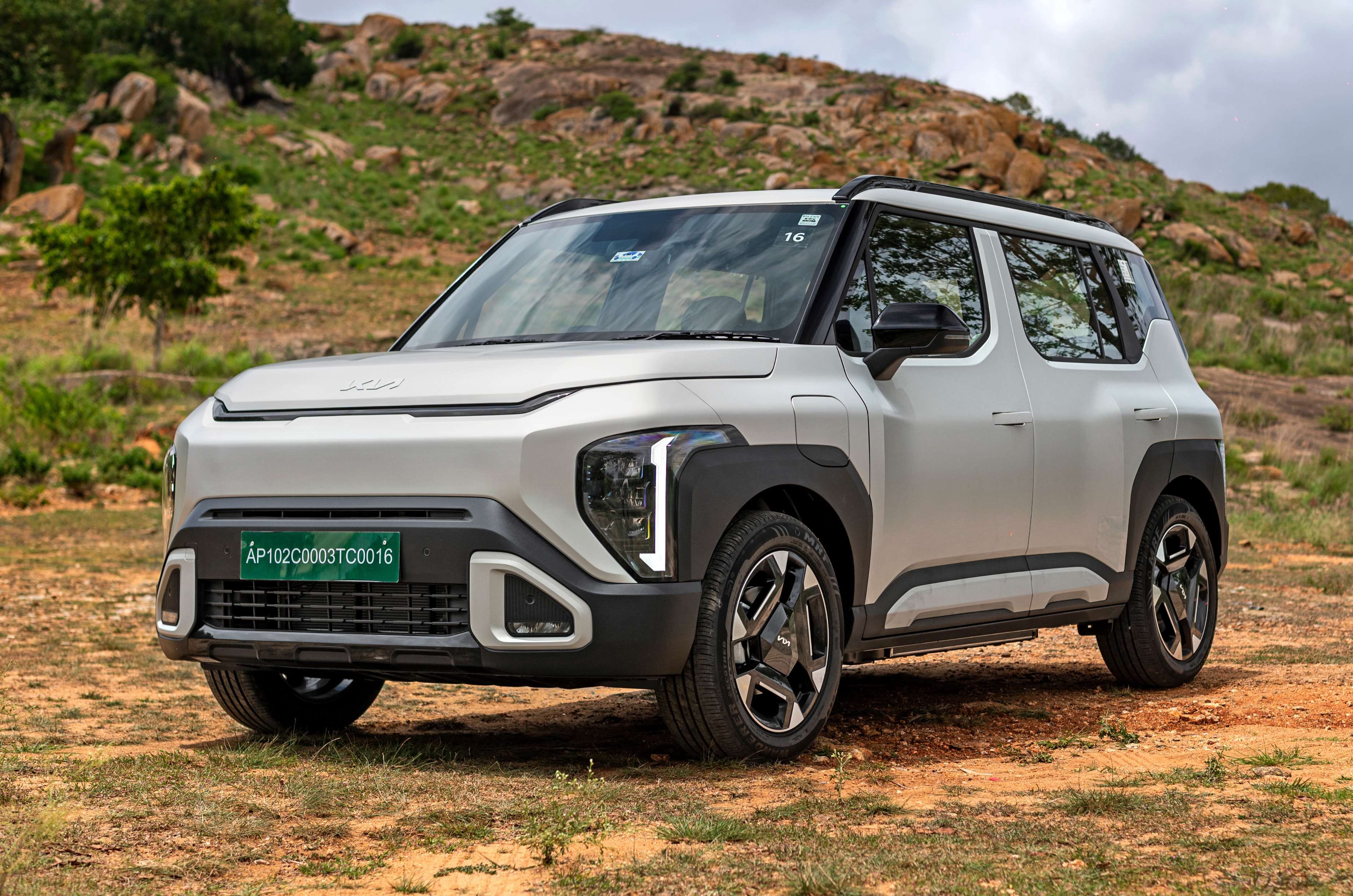
After the Carens Clavis EV, the Kia Syros EV is the carmaker’s second mass-market zero-emission vehicle in India. The electric Syros rivals the Mahindra XUV 3XO EV and the Tata Nexon EV, and we recently got behind the wheel to find out what it does well and where it falls short. If you are planning to bring this Kia EV home, here are three reasons to consider it and two reasons why you may want to think again.
Pros
Impressive performance and range
First, let’s discuss some numbers. The Kia Syros EV is offered with two battery pack options: 42kWh and 51.4kWh. Both power a front axle-mounted electric motor, producing 135hp with the smaller battery and 171hp with the larger unit. Torque remains the same at 255Nm for both versions.
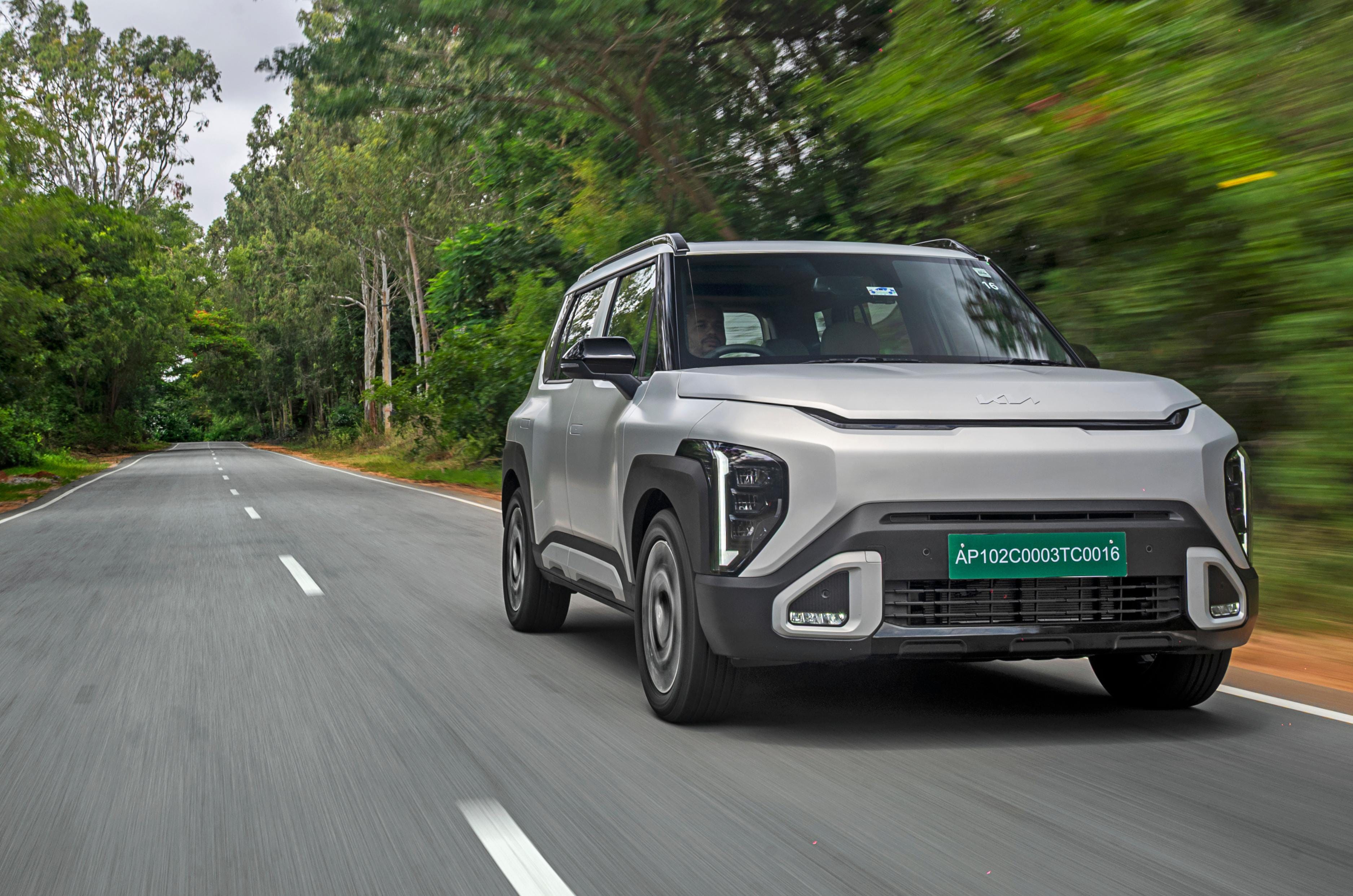
We drove the 51.4kWh version, which Kia claims can sprint from 0-100kph in 8.1 seconds. In our experience, performance was brisk. The EV comes with Eco, Normal and Sport drive modes, and throttle response becomes a little sharper as you move through them. Initial response across modes is linear, though there is a strong shove as you press the throttle further. Even in Eco and Normal, overtaking is effortless, and there is rarely a need to switch to Sport for a quick pass.
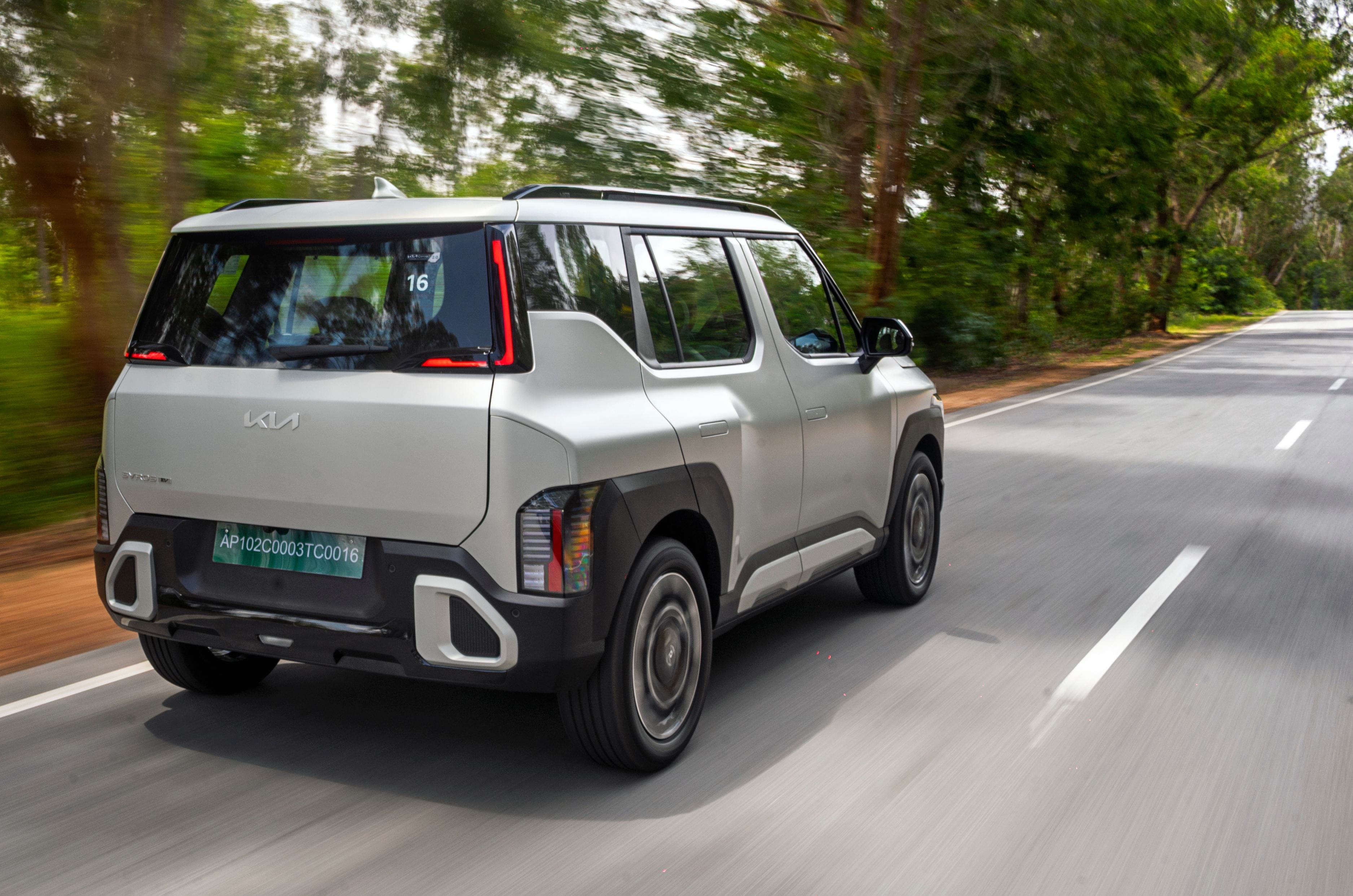
The MIDC range is 526km for the 51.4kWh battery pack and 443km for the 42kWh unit. While our short drive wasn’t enough to verify these figures, the larger battery should comfortably deliver around 400km of real-world range on a single charge.
Spacious and practical cabin
Like the ICE version, the Syros EV offers plenty of space for passengers. Since the drive selector is placed on the steering column, Kia has redesigned the centre console to create more storage space. Its upper section gets a small storage area below the armrest and two cup holders with a sliding cover. The console’s lower section offers a larger storage space for a bag, another cup holder and a wireless phone charger. Also, the front door pockets are large enough to hold a couple of bottles and an umbrella.
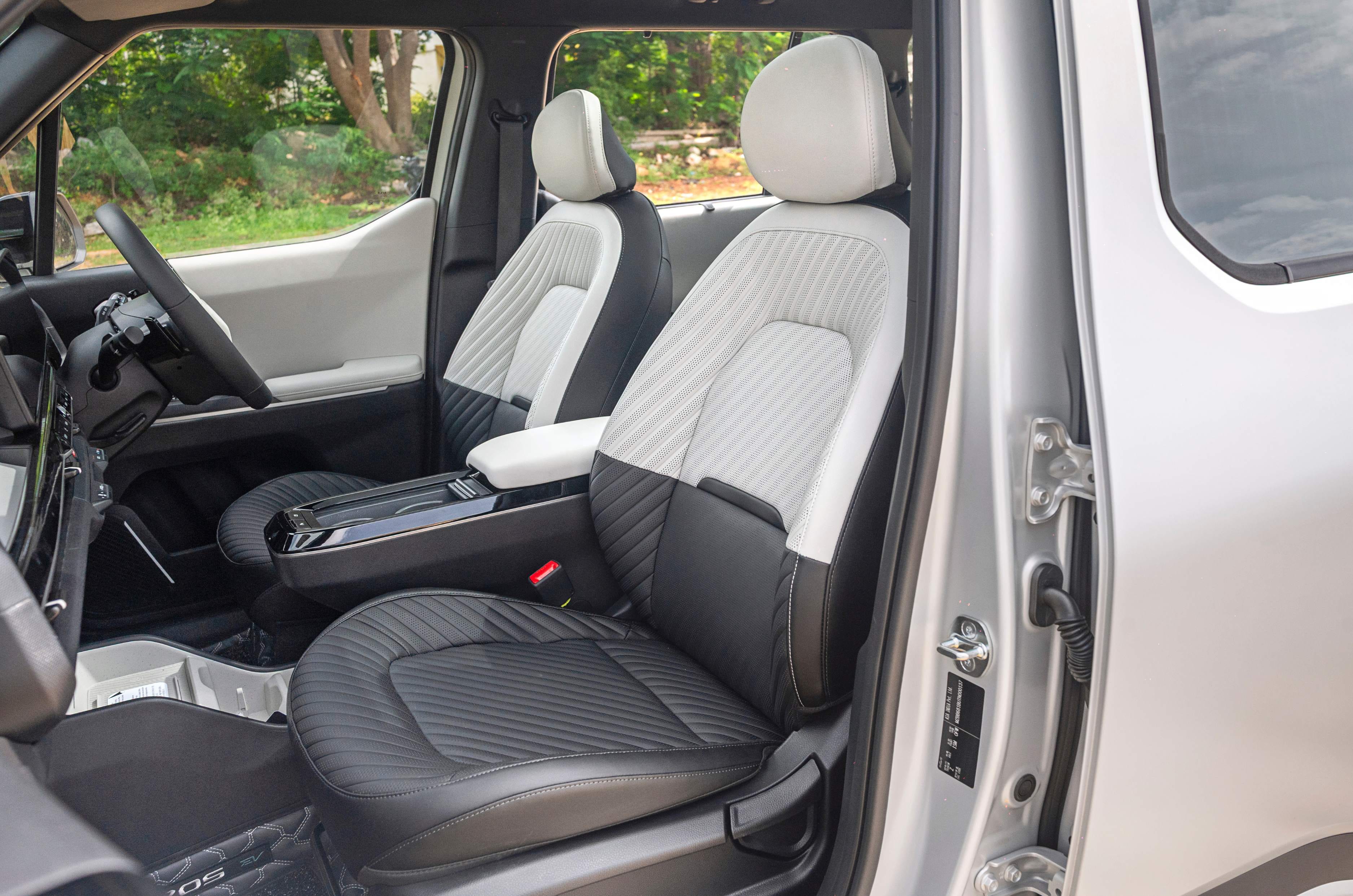
The front seats are comfortable and supportive, and the rear-seat space continues to be one of the compact SUV’s biggest strengths, with plenty of room all around. The battery pack raises the floor slightly, but sliding the rear bench backwards makes it much more comfortable. The EV’s flat floor is another advantage, and rear-seat ventilation (for the base) has been carried over from the ICE version.
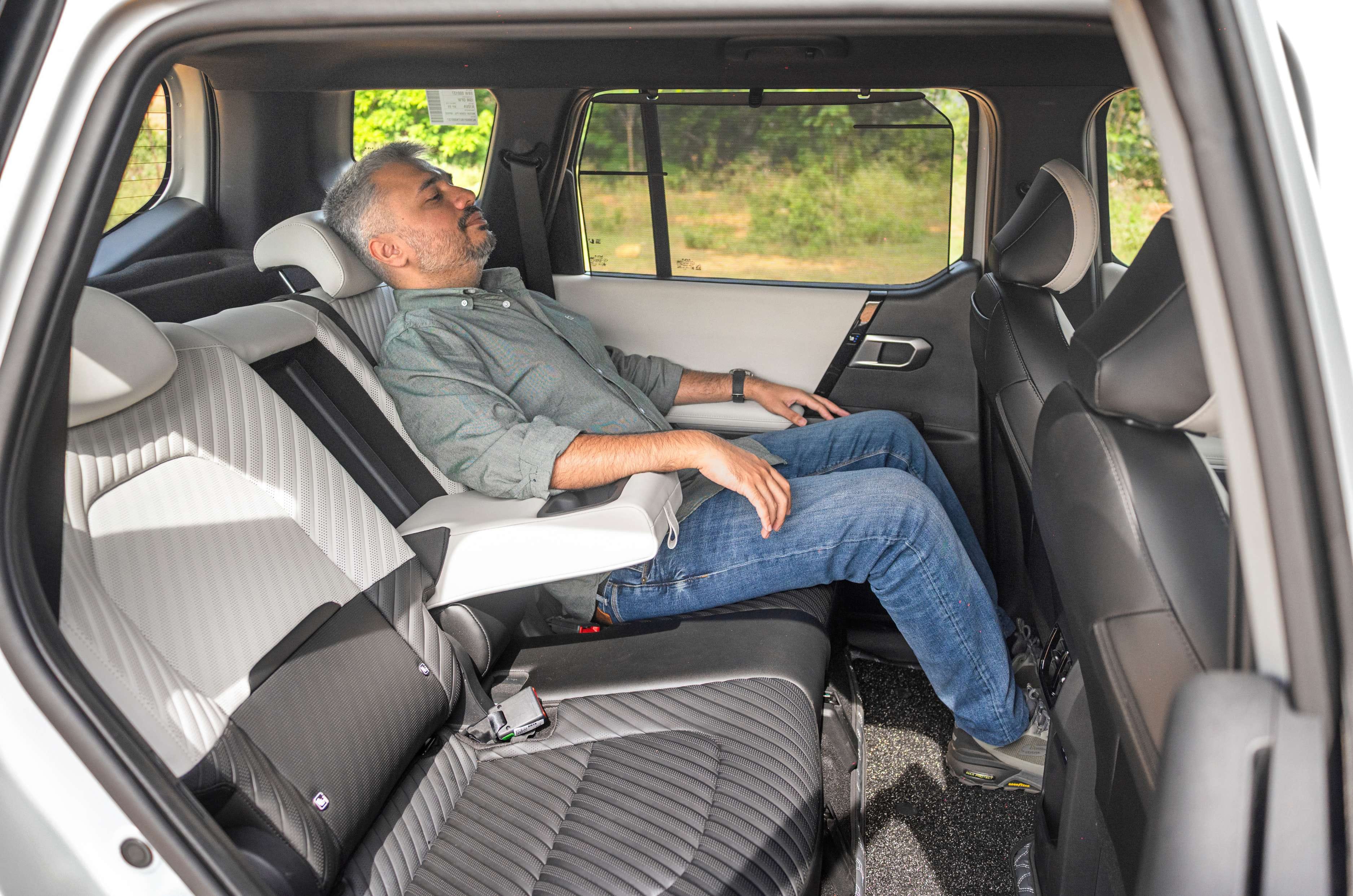
The boot space remains unchanged at 390 litres with the rear seat pushed back and 465 litres with it slid forward. Rear seats can also be folded to carry larger items, and being an EV, it also offers a 16-litre frunk (front boot).
Feature-packed
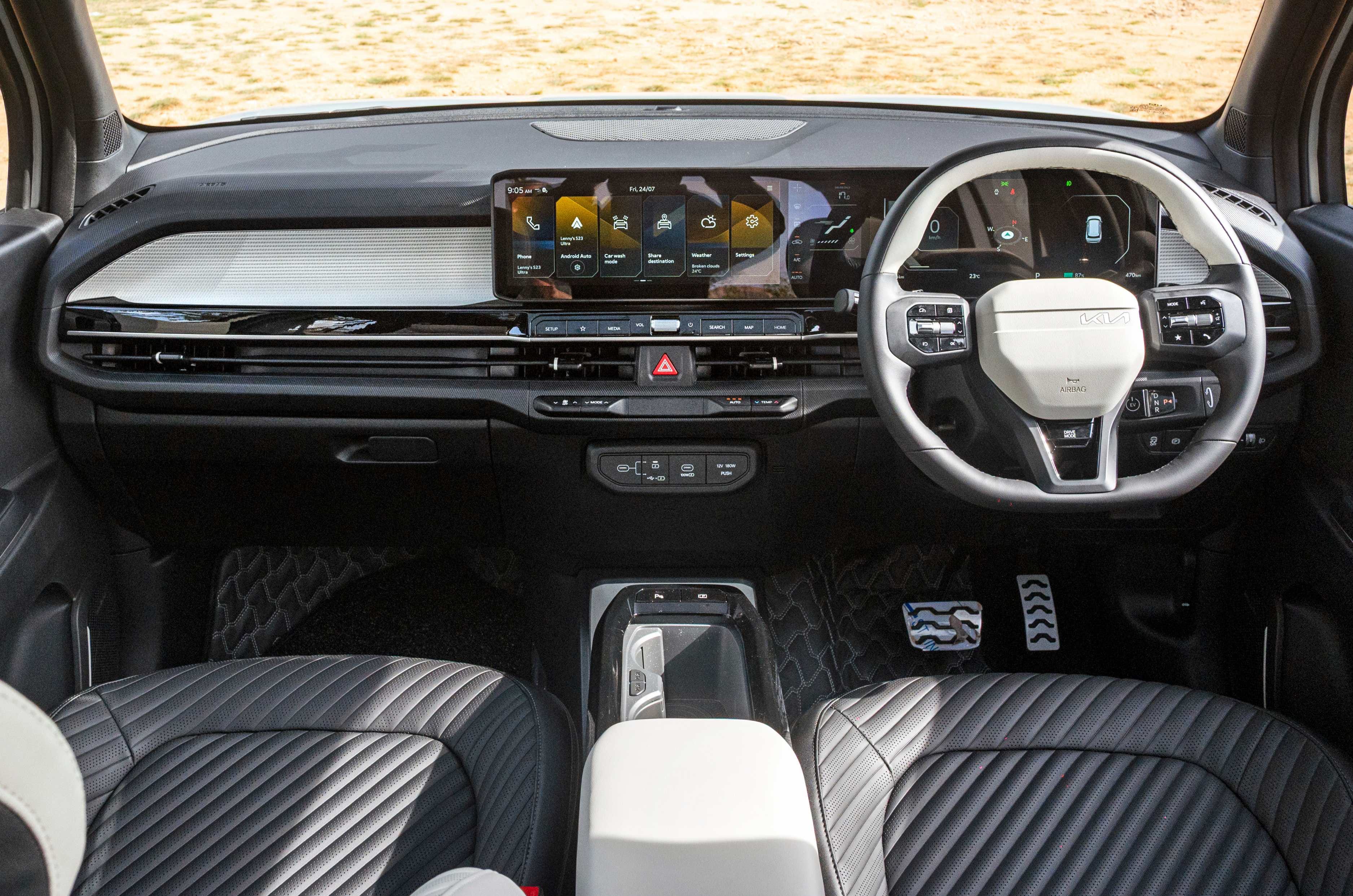
The EV gets Kia’s Trinity Panoramic Display, which includes two 12.3-inch screens for infotainment and the driver’s display, along with a 5-inch screen for the climate control. Wireless Android Auto and Apple CarPlay are offered, while the top trims also feature an eight-speaker Harman Kardon sound system. To pamper occupants at the back, AC vents and sunblinds are standard across the range. The household-style three-pin socket in the back seat is exclusive to the top-spec X-Line trim.
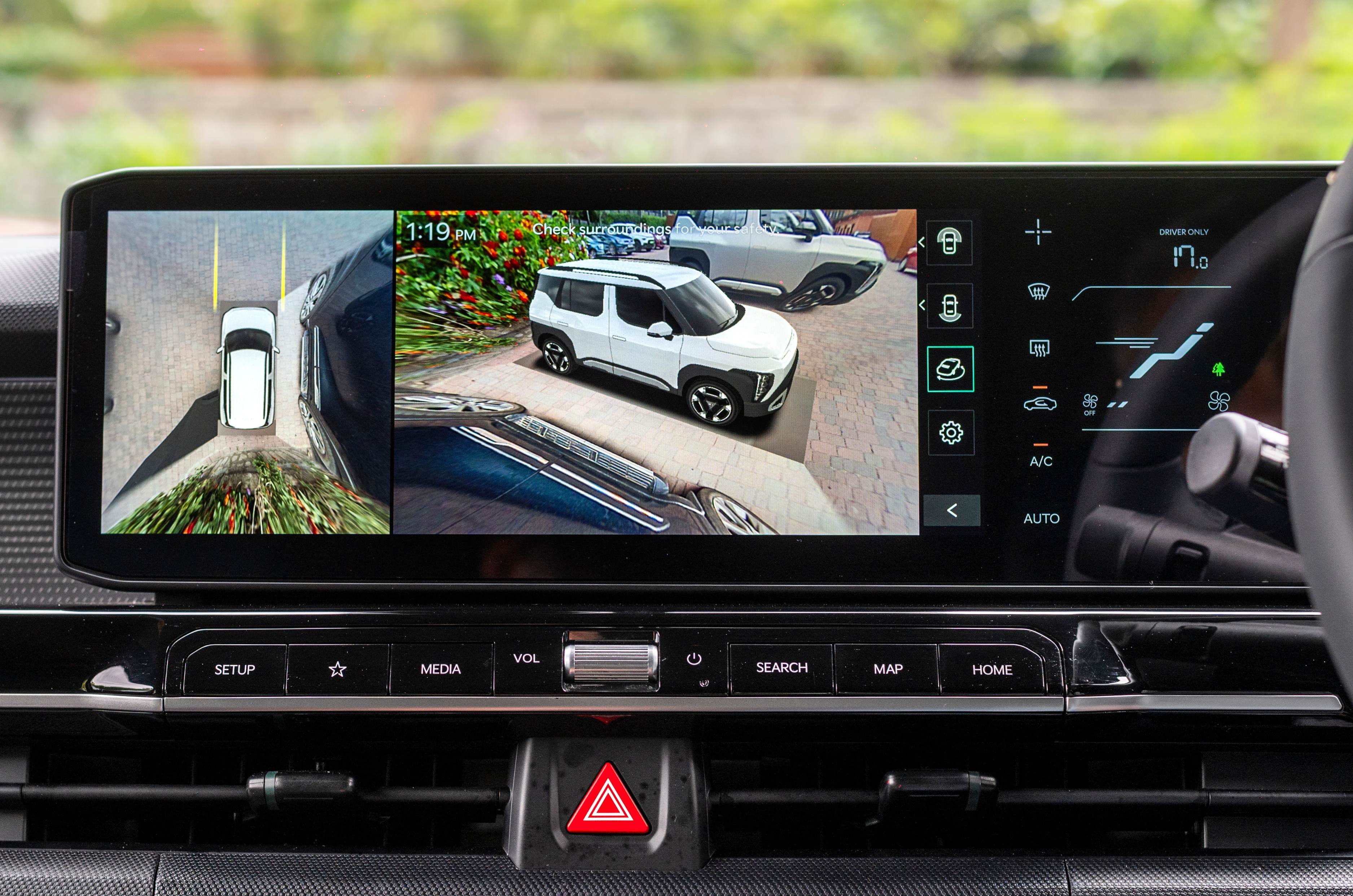
As for safety, the Syros EV comes with six airbags, all-wheel disc brakes, tyre-pressure monitoring and Isofix child-seat mounts as standard. The X-Line trim also gets a 360-degree camera and an ADAS (advanced driver assistance systems) suite with features such as adaptive cruise control with stop-and-go, lane-keep assist, forward and rear collision avoidance and a blind-spot camera. Notably, the ICE version no longer gets ADAS.
At the time of writing, the Syros EV has not yet received an official crash-safety rating. However, since the ICE version has already earned a 5-star Bharat NCAP crash-safety rating, the EV is expected to achieve a similar result.
Cons
Body roll through the corners
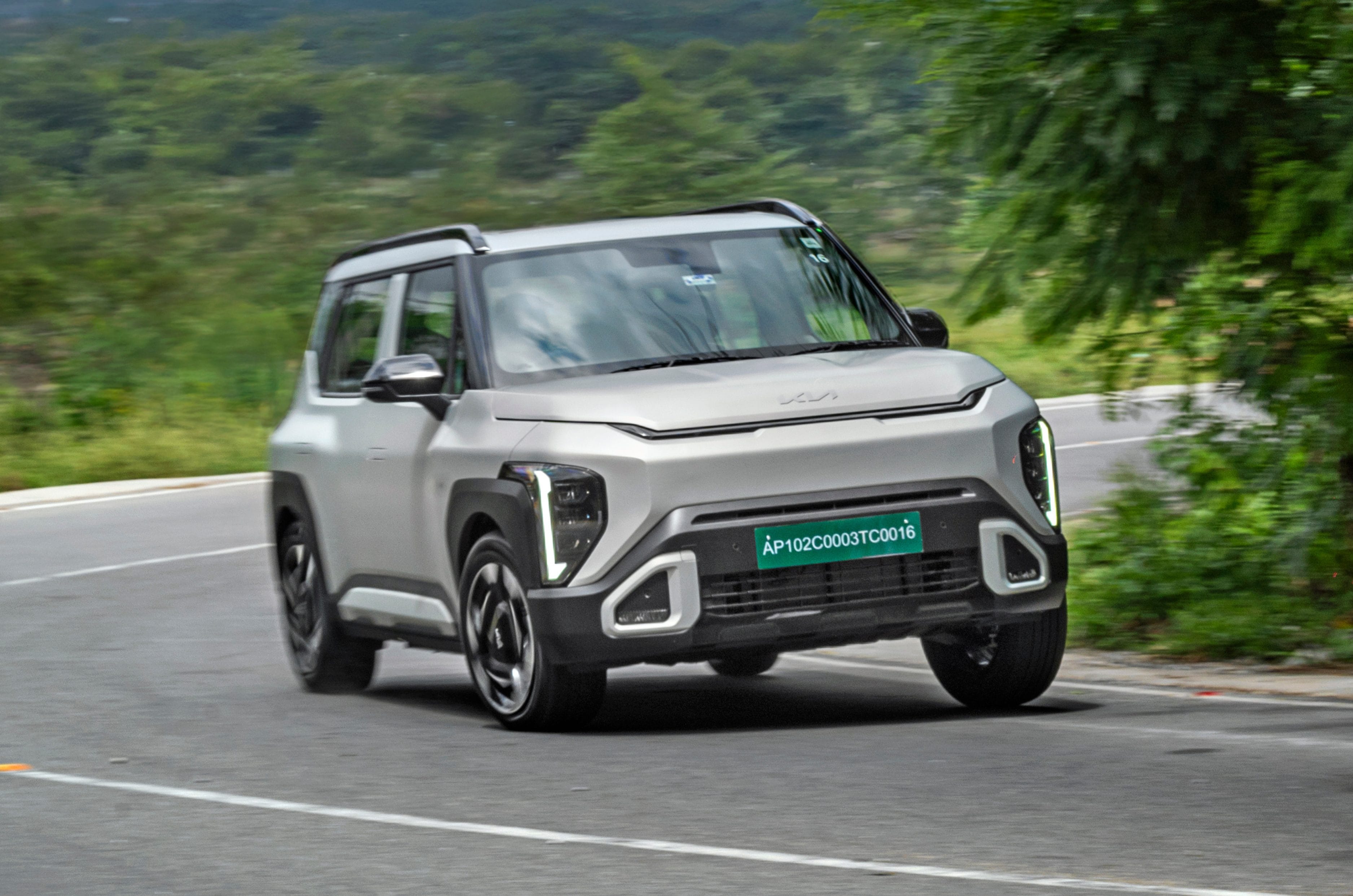
The ride on the Syros EV is slightly more absorbent than the ICE version, although there is still an underlying firmness. This helps keep the car stable, but because it is tall and narrow, there is noticeable body roll around the corners.
Pricey at the top end
The Kia Syros EV is priced from Rs 13.5 lakh for the 42kWh version, while the 51.4kWh Extended Range starts at Rs 17 lakh. The fully loaded X-Line trim is priced at Rs 20 lakh. At this price, it competes with the Tata Nexon EV (Rs 12.49 lakh-17.49 lakh) and Mahindra XUV 3XO EV (Rs 13.89 lakh-14.69 lakh) compact SUVs, as well as larger EVs such as the MG Windsor EV (Rs 14.7 lakh-19 lakh) and Maruti e Vitara (Rs 15.99 lakh-19.99 lakh).
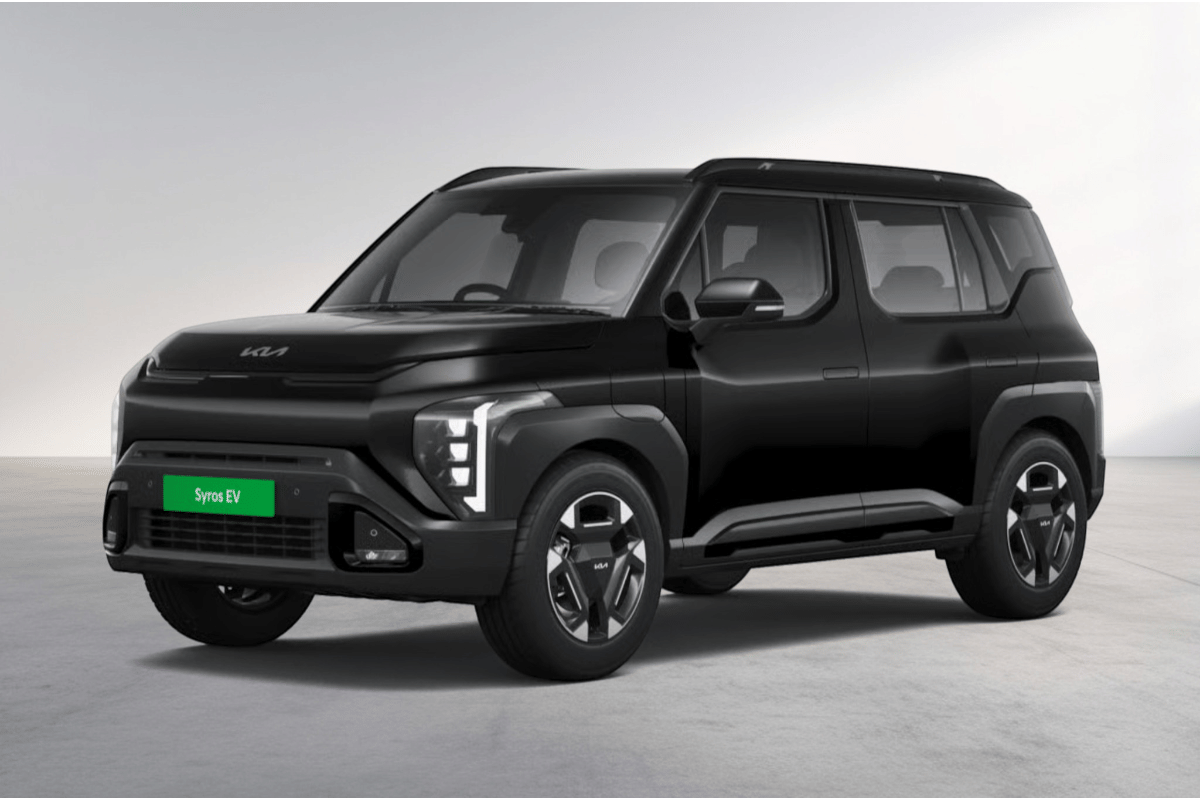
The 42kWh version does offer strong value for money, but the larger 51.4kWh Extended Range version is a tougher sell. It costs noticeably more than its direct rivals and even overlaps with higher-battery versions of the MG Windsor EV and Maruti e Vitara. While the Syros EV has several strengths, many buyers may want a bigger SUV for similar money. Kia’s Battery-as-a-Service (BaaS) scheme lowers the upfront purchase cost, but similar plans are also available with the MG and Maruti EVs.
Ex-showroom prices mentioned above are as of July 30, 2026.
from Autocar India https://ift.tt/FEMg1hW


Comments
Post a Comment