We see a drop in India due to PHEV import duty uncertainty: Lamborghini CEO
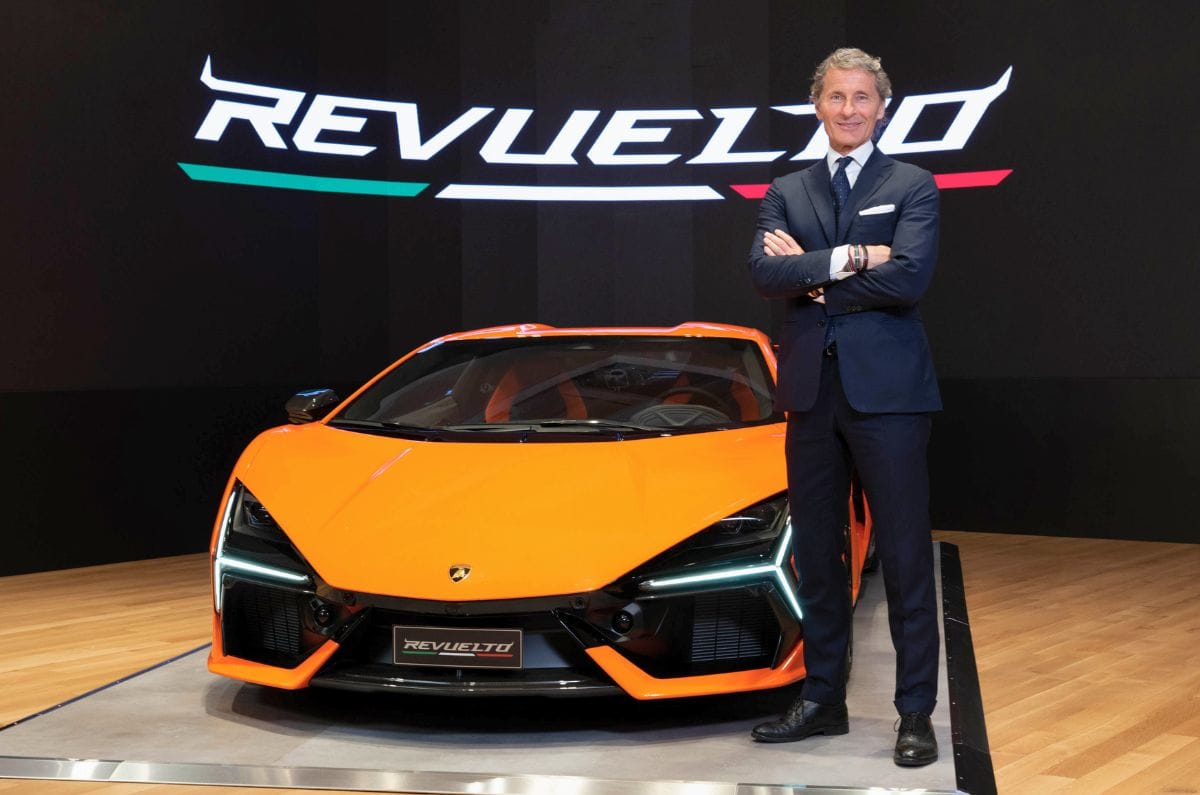
On the sidelines of the world premiere of the Lamborghini Revuelto SV, the brand’s president and CEO, Stephan Winkelmann, spoke to journalists about the new flagship hybrid supercar, the move away from EVs and even the Indian market.
India-EU FTA hybrid uncertainty could pose a problem
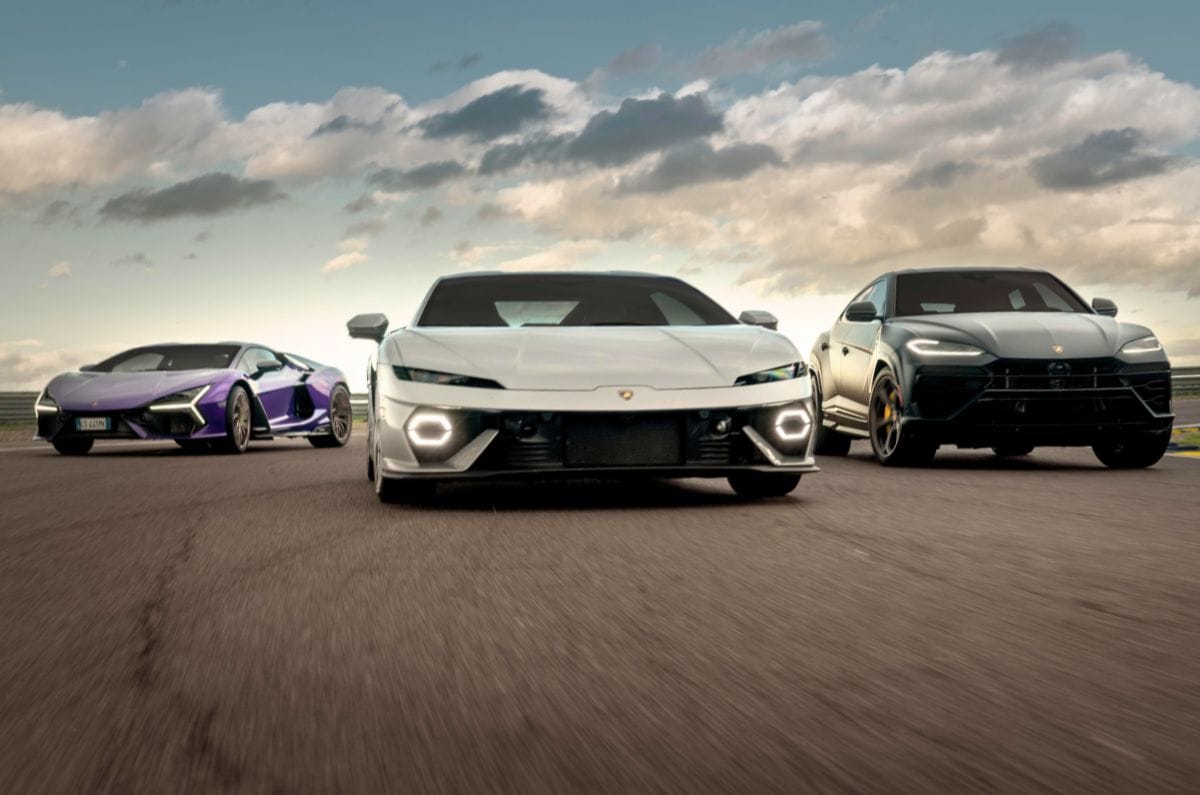
A hot topic at the moment is the India-EU free trade agreement (FTA) soon to come into effect, which promises to make imported cars a whole lot more affordable. While that’s great news for most super-sportscar brands, it’s not so for Lamborghini, as the India-EU FTA offers no clarity about benefits for hybrid cars, which make up the Italian brand’s entire range.
“The decision was made, I think, at the beginning of the year to lower the import taxes, but not for PHEVs,” said Winkelmann, responding to a question from Autocar India. “So, we see a drop in the market due to the uncertainty which is created by this. And there is still not enough clarity.”
While other brands do have some pure-ICE models, the prices of which are already being reduced ahead of the FTA’s introduction, at present, hybrid and EV models continue to attract the full import duty as before. Having moved away from pure-ICE models entirely, Lamborghini unfortunately bears the full brunt, at least for now.
“I think this will come only in four years’ time. And this, for sure, is not helping the decision to buy a plug-in hybrid car, which is coming from [Lamborghini].”
Can ethanol-blended petrol work in Lamborghinis?
Regarding another hot topic in our country at the moment, Winkelmann responded to another question from Autocar India, suggesting that given the uncertainty around traditional fuels, blended biofuels were not off the table for Lamborghini.
“In Europe, we are extremely positive about it and are going to make a decision on biofuels soon,” he said, highlighting that any decision around the matter would have to start from its home region. “For us, this is a very important market, as you might know.”
He was quick to point out that the quality of fuel is what’s most important for any of Lamborghini’s models and their high-performance plug-in hybrid powertrains. While ethanol blending does increase the RON (Research Octane Number) of the fuel, it also depends on the petrol it is being blended with, which varies from market to market.
“They already exist, those fuels, but it always depends on how good they are. If you have a low octane, then you cannot use them for our type of cars. You have to have a minimum of 95 octane, and this is sometimes, with the few fuels around the globe, not available,” he stated, reiterating that such a decision would have to be globally compatible. “I don't know exactly how this is in India.”
Revuelto SV arrives before Revuelto Roadster
As for the main event, Lamborghini has just revealed the Revuelto SV, the hotter version of its flagship V12 PHEV supercar, limited to 1,963 units. With increased performance, redone suspension and far more advanced aerodynamics, its goal is to surpass the Revuelto to become the highest-performance Lamborghini of them all. SV models date all the way back to the Miura SV from 1971, but this is the first time an SV has been launched so soon after the standard model, arriving before even a convertible Roadster model.
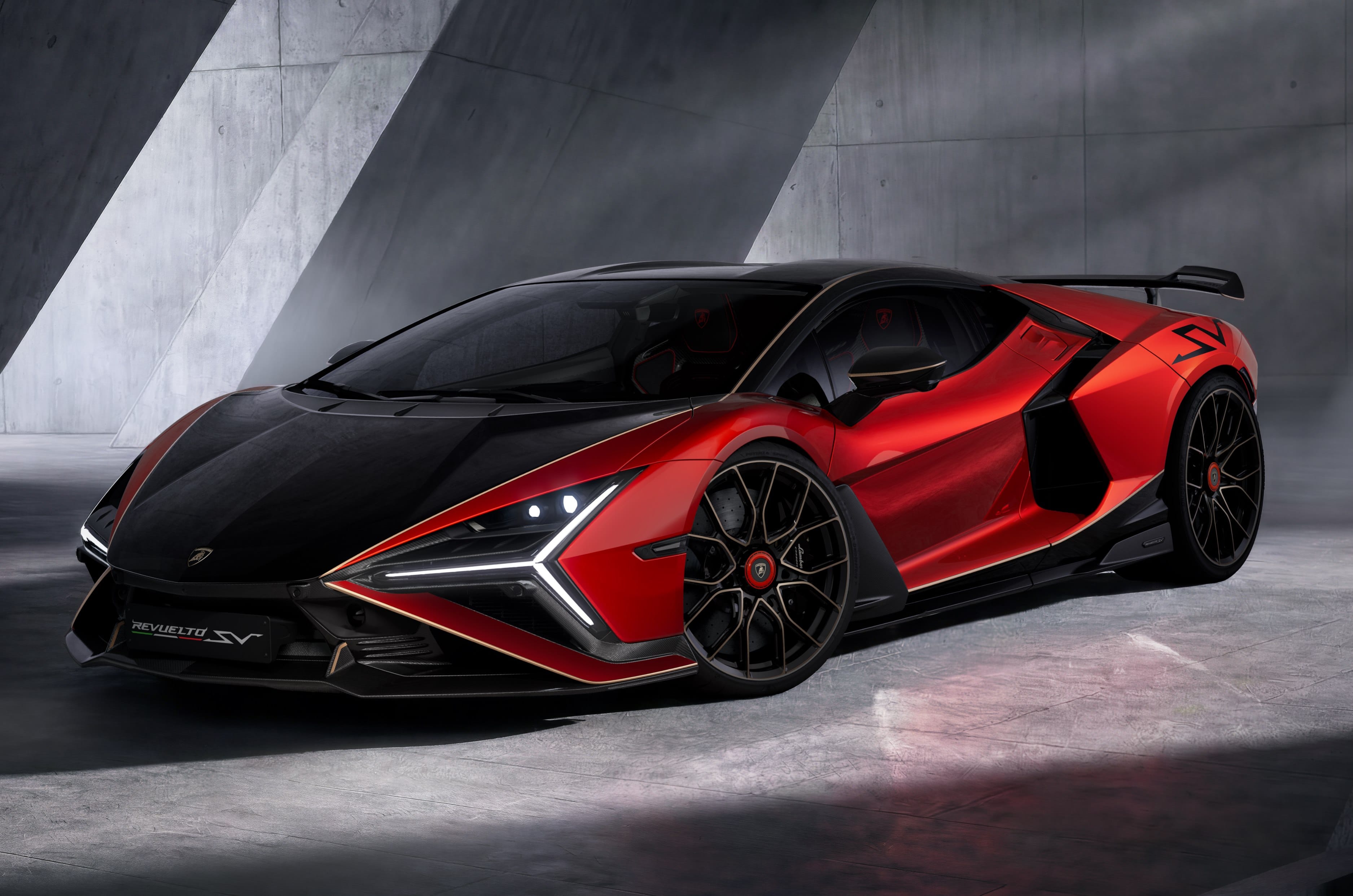
“I have to tell you that the coupe was and is so successful that it was exceeding all our expectations, even the most positive ones,” Winkelmann said in response to Autocar India. “So, we decided to go immediately from Revuelto to Revuelto Superveloce. And the first feedbacks we are getting on the Superveloce are really outstanding.”
The additional 50hp is extracted from an upgraded battery and motor rather than from the V12 engine, which Lamborghini says was intentional, as it allowed for better control and faster distribution of the power.
“We use the battery to create more boost and a better distribution of power output than only with the internal combustion engine. Also, together with the torque vectoring, the feeling of driving a car at speed is very much improved in comparison with the [purely] internal combustion engine guise of the past generations,” Winkelmann said.
Lamborghini customers don’t want EVs
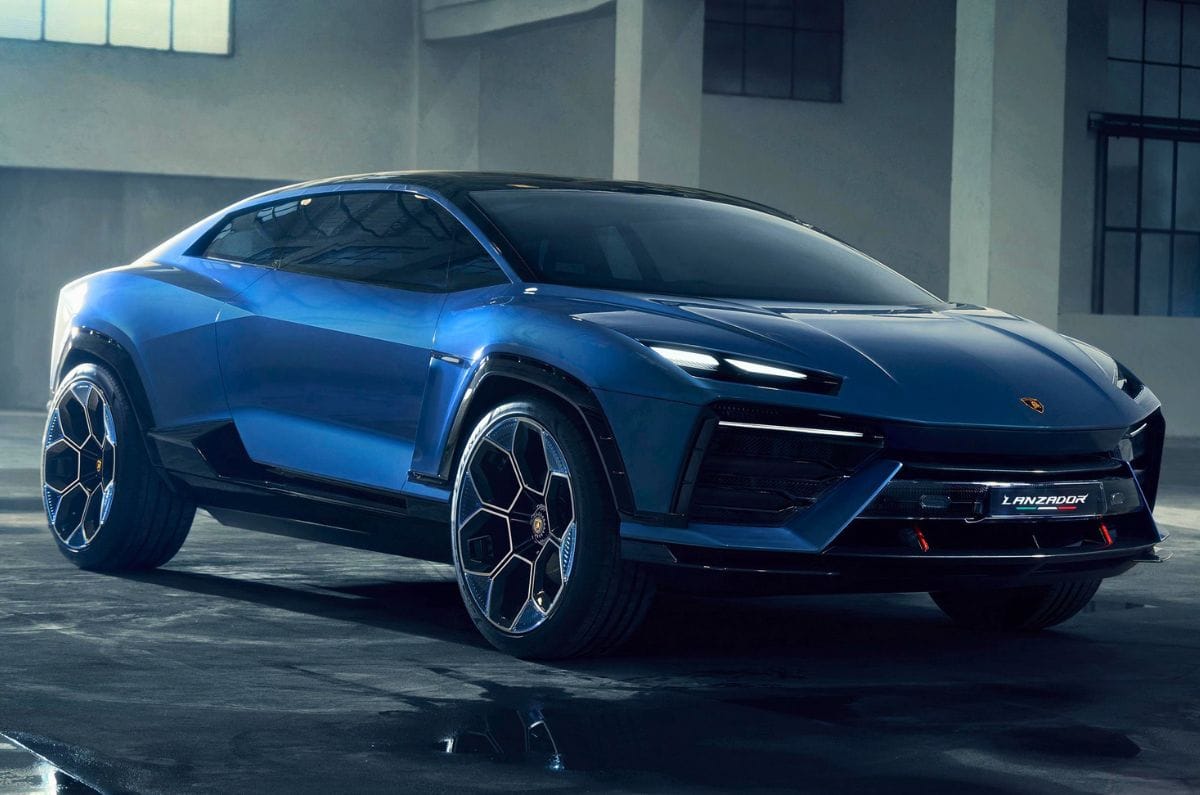
That said, the engine is essential. Not long before rival Ferrari unveiled its first EV, the Luce, Lamborghini announced its decision to delay its own first electric offering, the Lanzador, which was scheduled to launch before 2030. The Lanzador – also a low-slung four-seat crossover – will now get a hybrid powertrain instead, as an EV would simply not be emotional enough for Lamborghini customers.
“Why? Because the customer behaviour towards what we were proposing at the beginning of this decade has changed; they are not adopting electric cars,” said Winkelmann. “I’m talking about our type of customers, because you don’t buy a Lamborghini because you need a Lamborghini or you need a car; you buy it because you want to fulfil your dreams. We are not selling mobility; we are selling emotions.”
He also stated that, Indian regulations aside, the brand’s all-PHEV line-up has proven to be a successful approach, at once helping meet prevailing and upcoming emissions regulations while also retaining the emotional appeal of an ICE engine that’s core to the brand.
“You have the sound, the vibration of an internal combustion engine, but you also have all the advantages of the new technology,” he said. “The combination of battery and internal combustion engine for us is not a transition period, but it’s really something which is here to stay.”
from Autocar India https://ift.tt/XhVO172


Comments
Post a Comment