Volkswagen Tayron R-Line long term review, 4420km report
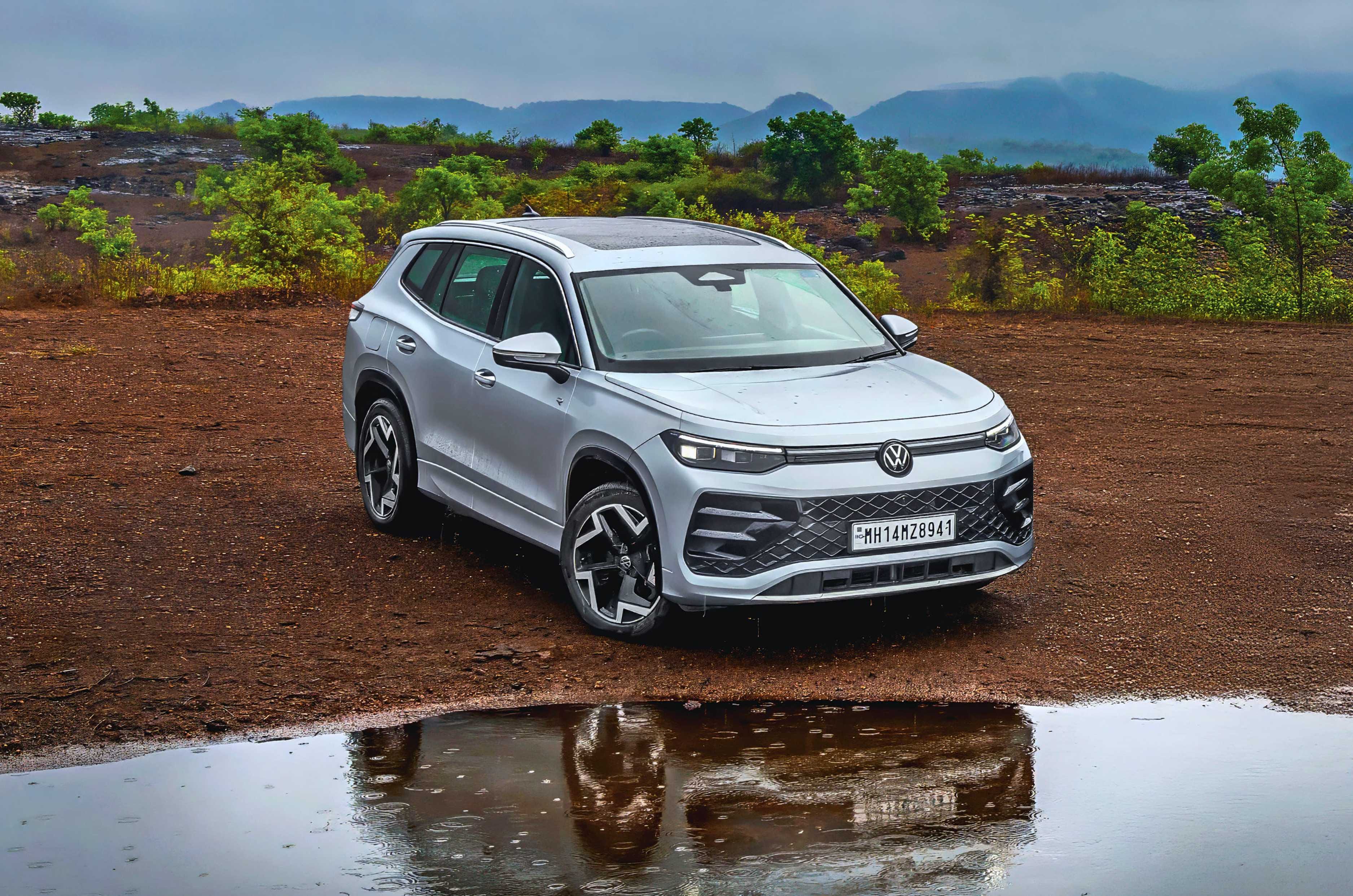
The VW Tayron R-Line is back in the Autocar India garage, and we’ve been running it for some weeks now. First things first, I switch off the Automatic Emergency Braking (AEB) as a matter of habit. The thing is, every time you turn on the car, the system defaults to AEB being active; it doesn’t remember that you last turned it off. This can be rather annoying, but like with most CBUs, which this VW Tayron R-Line is, it follows the homologation requirements of Europe, or what is called GSR 870. That means, for safety reasons, it is mandated to have the AEB on by default every time you begin driving the car.
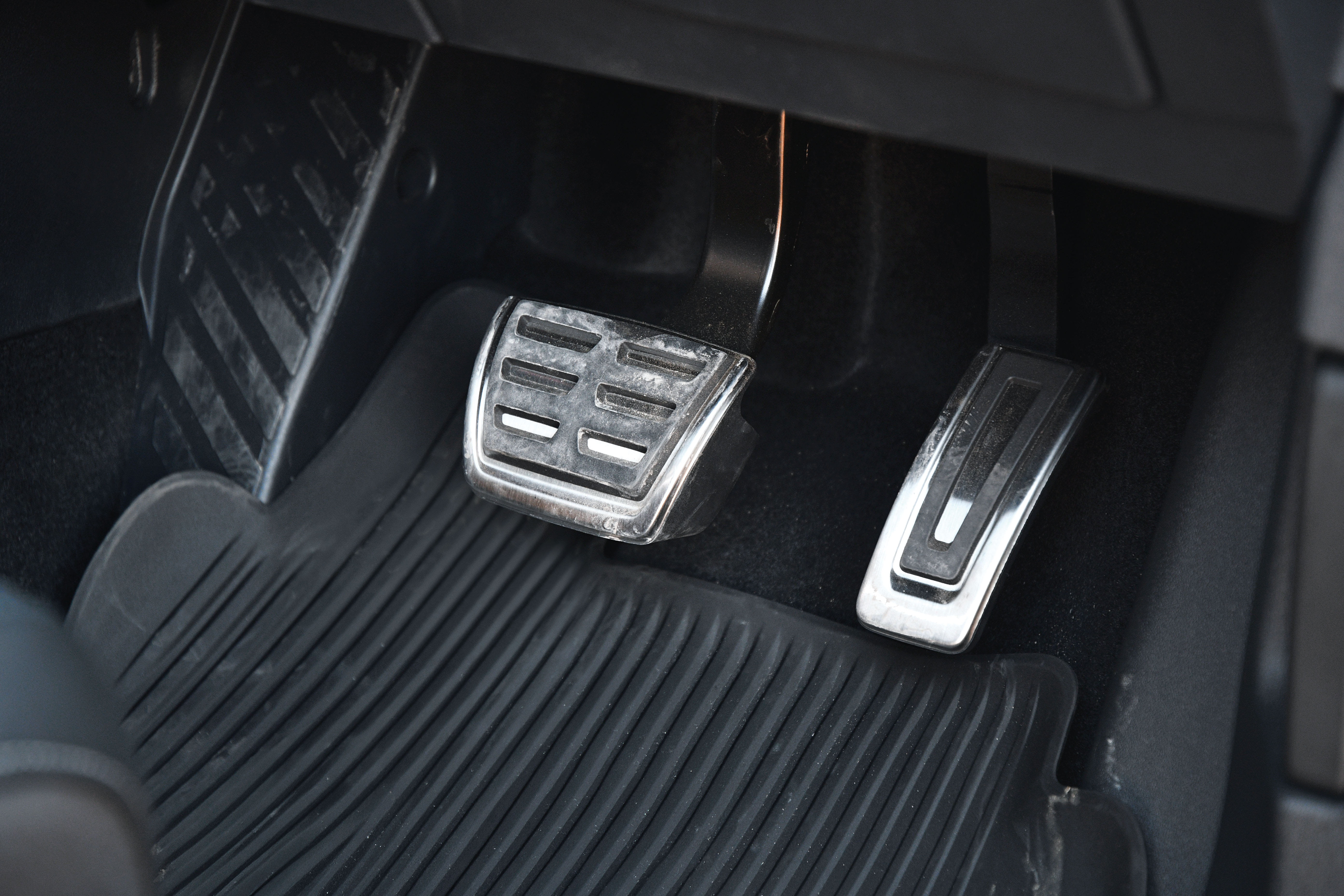
Now, in Europe and other parts of the world where traffic is predictable and sane, it makes sense, but on our chaotic streets, pedestrians, cyclists, bikes and three-wheelers can trigger the AEB into a heart-stopping slam on the brakes, with the risk of being rear-ended by someone who is two inches away from your bumper. Every run to work, the proximity sensors go berserk tackling Mahalaxmi’s infamous Saat Rasta roundabout in Mumbai. It’s also a reminder that the Tayron is a long car, but the good thing is that outside visibility is pretty good, so you can judge the edges quite easily, which is essential when threading through traffic.
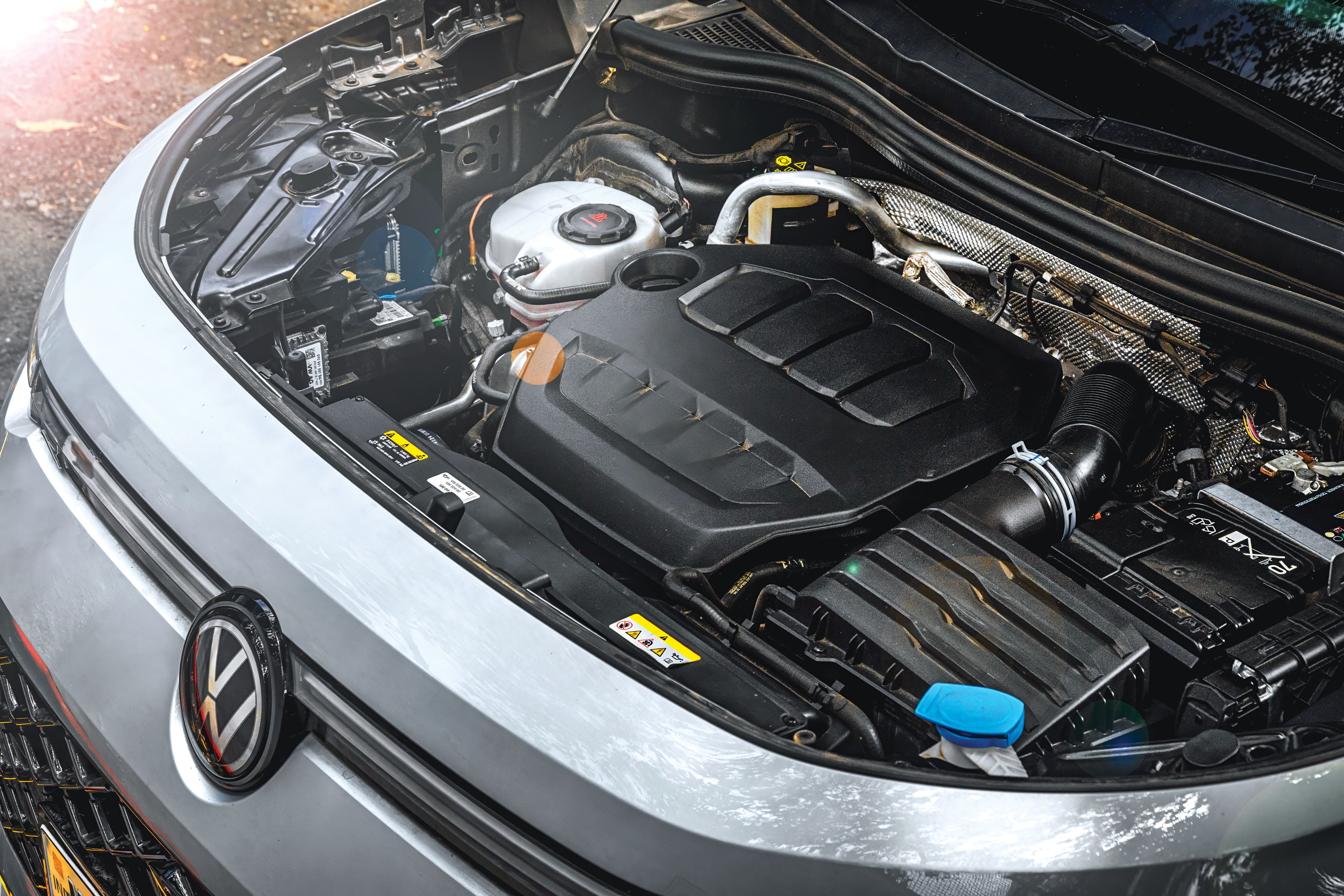
The Tayron got a chance to stretch its legs on a run to the Nanoli track. The ‘EA888 Evo’ 2.0-litre TSI engine is the epitome of refinement and possibly the smoothest turbo-petrol in the premium segment. It lacks a bit of low-end punch, but likes to be revved and encourages visits to the 6,000rpm redline. The Tayron is a happy cruiser too, and feels nice and planted at expressway speeds in a VW sort of way.
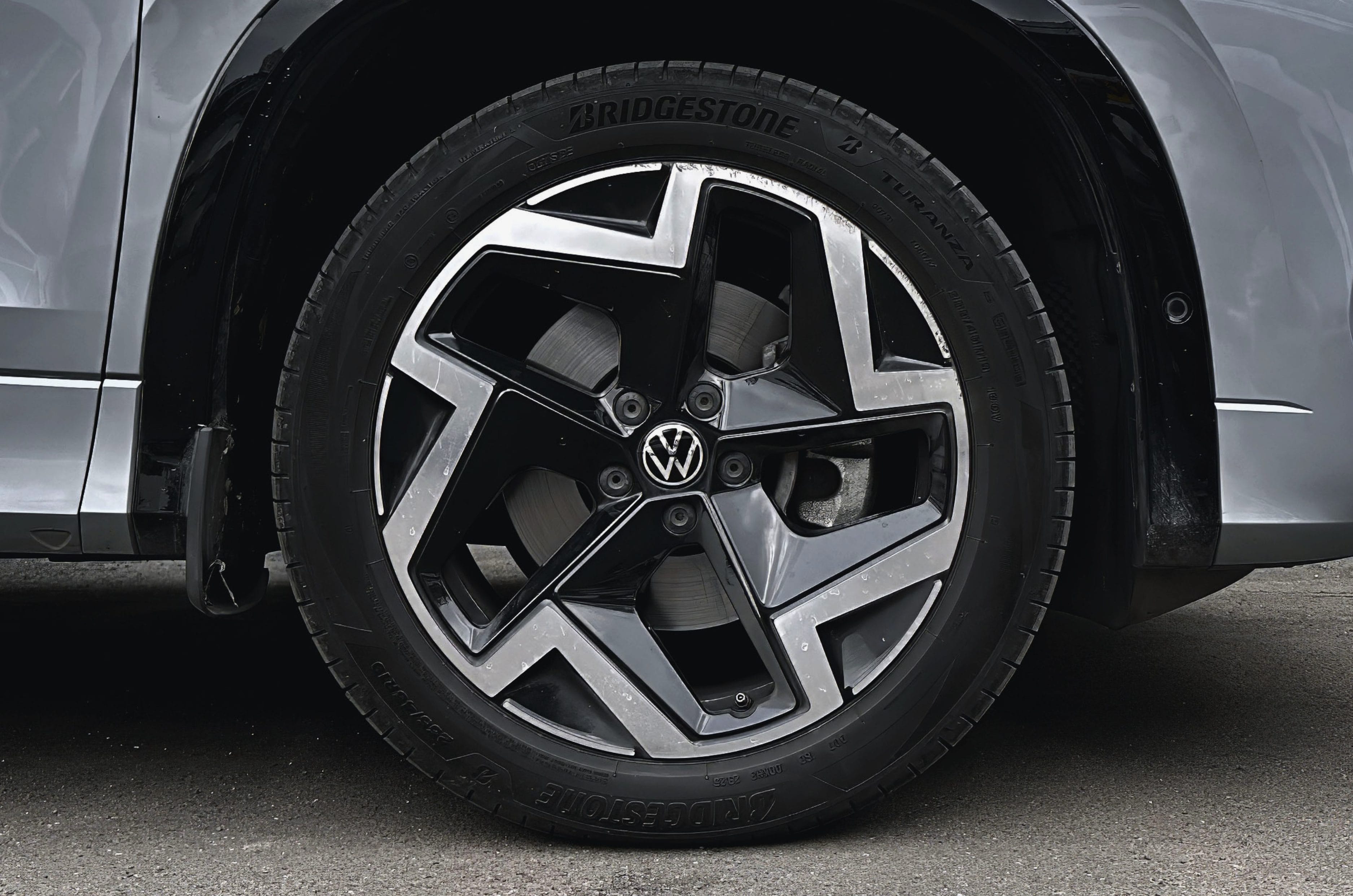
Peeling off the expressway onto the poorly paved, single-lane roads leading to Nanoli exposes a weak chink in the Tayron R-Line – a crashy ride that makes the body jar. The true culprit is the low 45-profile tyres the R-Line comes with, and their short sidewalls simply can’t cushion sharp edges, ruts and jagged tarmac well enough. I suspect the lower-spec Tayron Life, recently launched at Rs 41.99 lakh, is a cheaper and more practical option with the less sporty spec and taller 55-profile tyres.
Living with the Tayron R-Line, you discover the smaller details that go some way in justifying the hefty Rs 46.99 lakh price. Cabin materials feel genuinely plush – the stitching, fit and finish and tasteful use of ambient lighting – though I have to say some of the trim did creak on bad roads. There’s good storage space too, which makes long-distance driving with your family a pleasant affair. What stood out for me was the clarity and ease of use of the infotainment system. Large fonts, smooth and slick operation and a nicely intuitive menu make it easy to operate on the go.
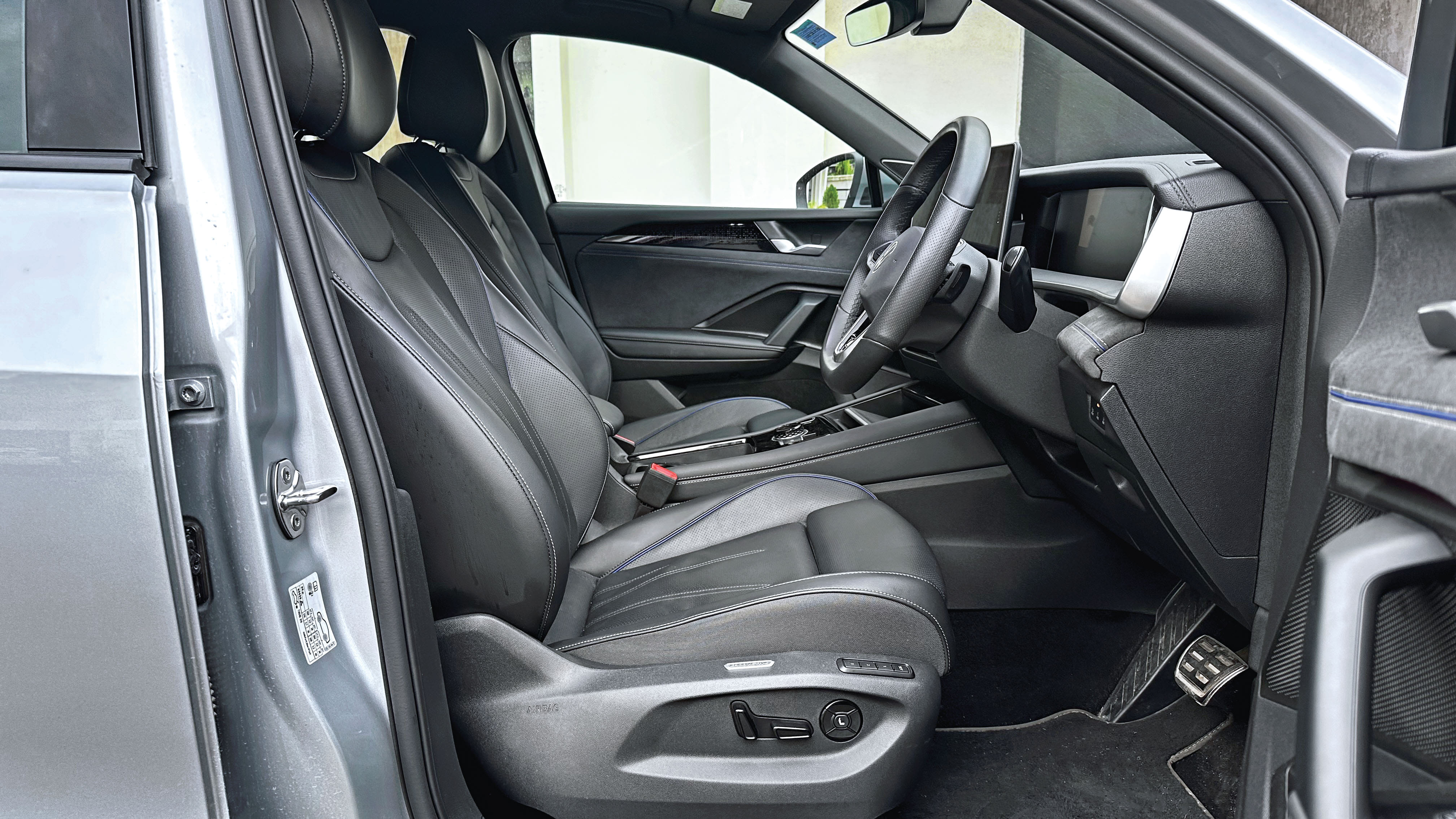
Other things that stood out after a long drive were the seats – supremely comfortable and not too hard and stiff like those in Volkswagens of the past. These seats have well-judged cushioning, and what makes them special is that they also give your upper body good and even support.
Fuel efficiency is not the strength of a turbo-petrol, and E20 now being the only choice doesn’t help matters. In the city, we could only muster up 6.2kpl, whilst on the sole highway run to Nanoli, we averaged 11.2kpl.
Volkswagen Tayron R-Line test data | |
| Odometer | 4,421km |
| Price | Rs 47.74 lakh (ex-showroom, India) |
| Economy | 8.7kpl (this month) |
| Maintenance cost | None |
| Faults | None |
| Previous report | None |
from Autocar India https://ift.tt/U9FYonH


Comments
Post a Comment