3 reasons to buy the Tata Sierra EV and 2 reasons not to
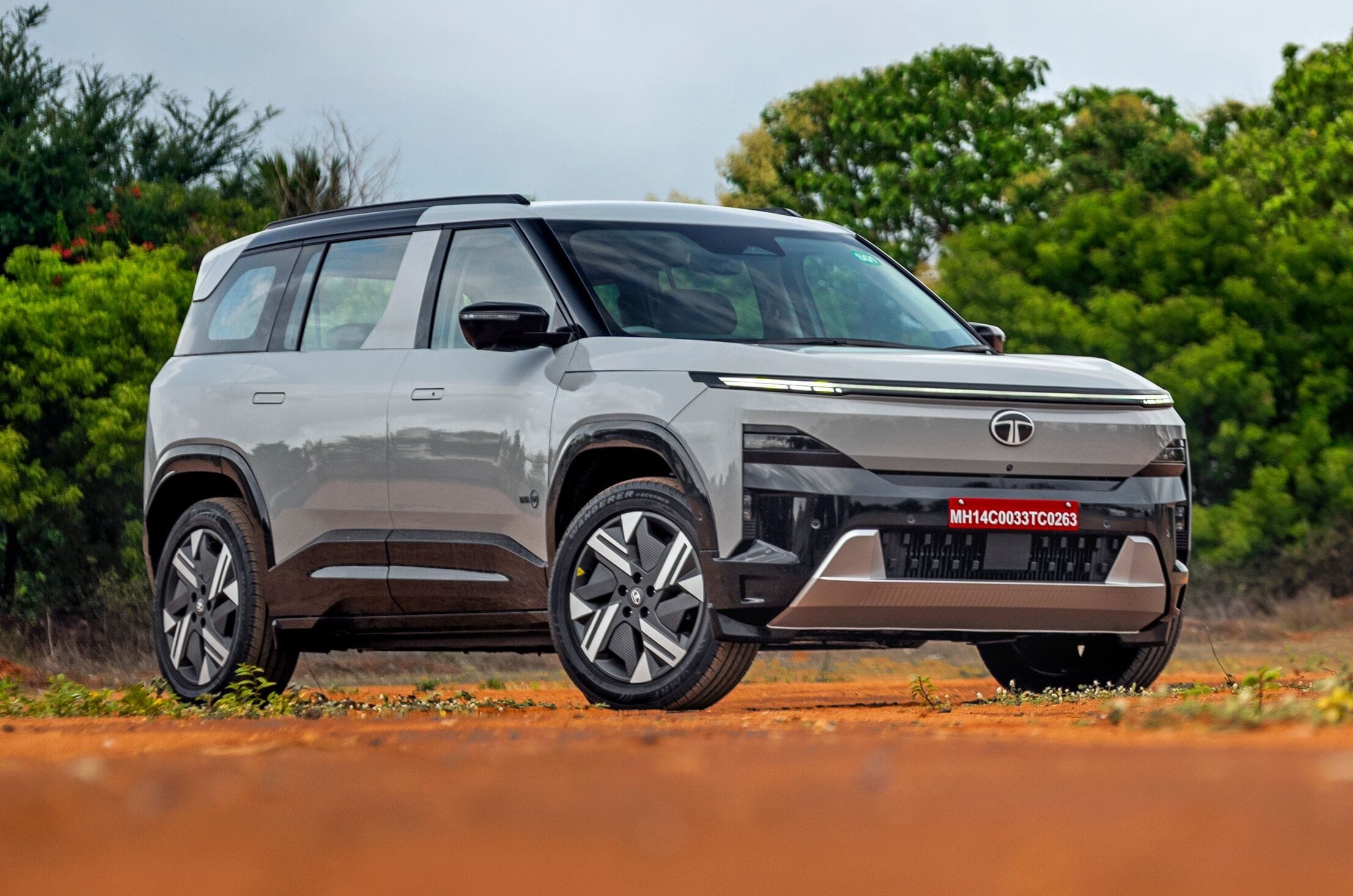
Seven months after the launch of the ICE-powered Tata Sierra, its all-electric derivative, the Sierra EV, is finally available for purchase. Priced from Rs 18.79 lakh to Rs 25.99 lakh (ex-showroom), the Sierra EV slots right between the Tata Curvv EV and the Harrier EV and rivals electric midsize SUVs such as the Mahindra BE 6, Vinfast VF6, Hyundai Creta Electric, MG ZS EV, Maruti e Vitara and Toyota Ebella, among others.
If you’re considering bringing home a Sierra EV, here are three reasons why you should go through with it and two reasons why you may want to think twice before signing the dotted line.
Pros
Loaded with features
Gets some additional goodies over the ICE Sierra
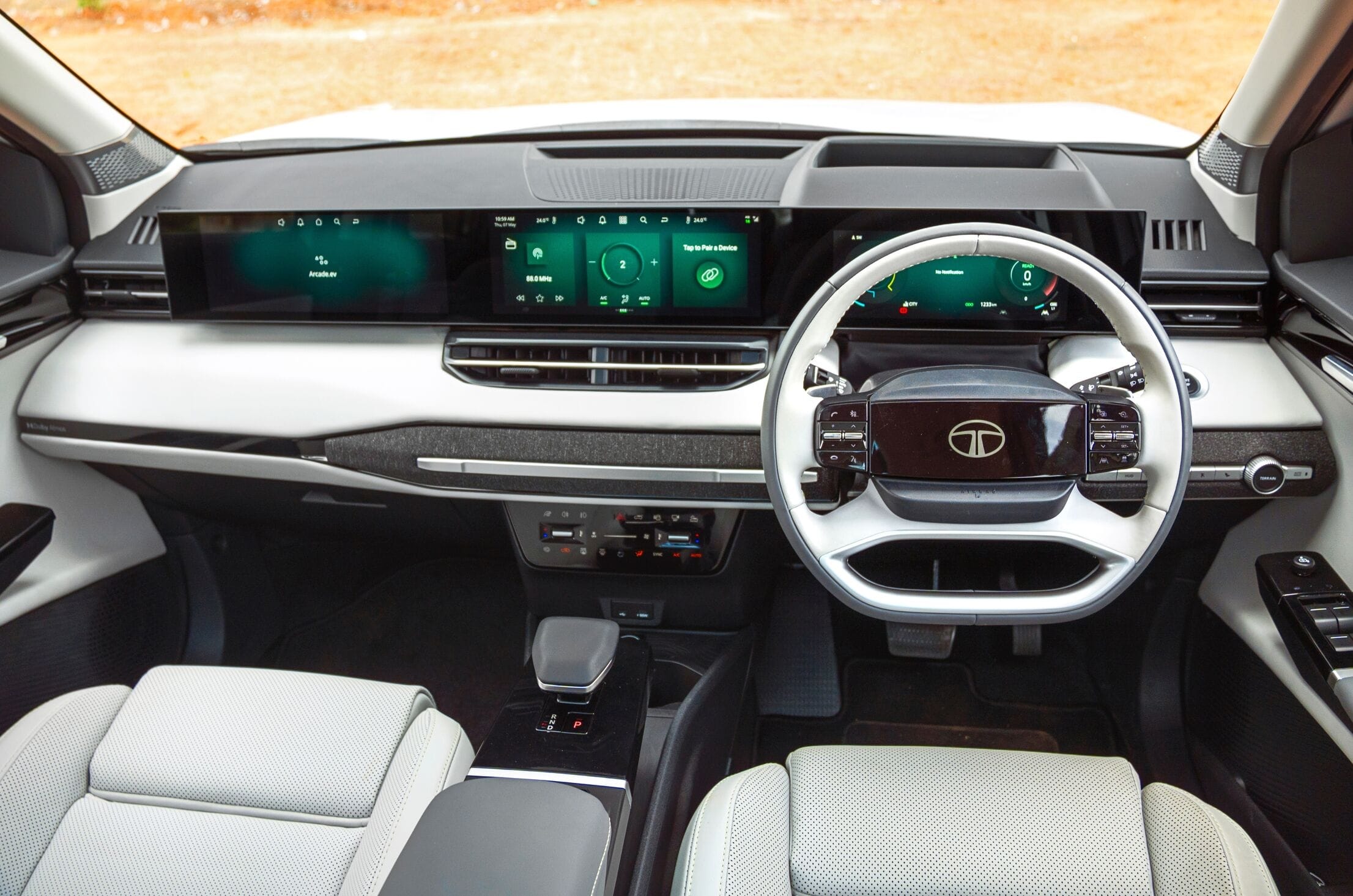
The Sierra EV retains the expansive equipment list of its ICE sibling, including a triple-screen layout (12.3-inch infotainment and passenger screens and a 10.25-inch driver’s display), dual-zone climate control, a panoramic sunroof, Level 2 ADAS (advanced driver assistance systems), a powered tailgate, a 360-degree camera, a wireless charging pad, a 12-speaker JBL Black sound system, ventilated front seats, a powered driver’s seat with memory and welcome functions, and more.
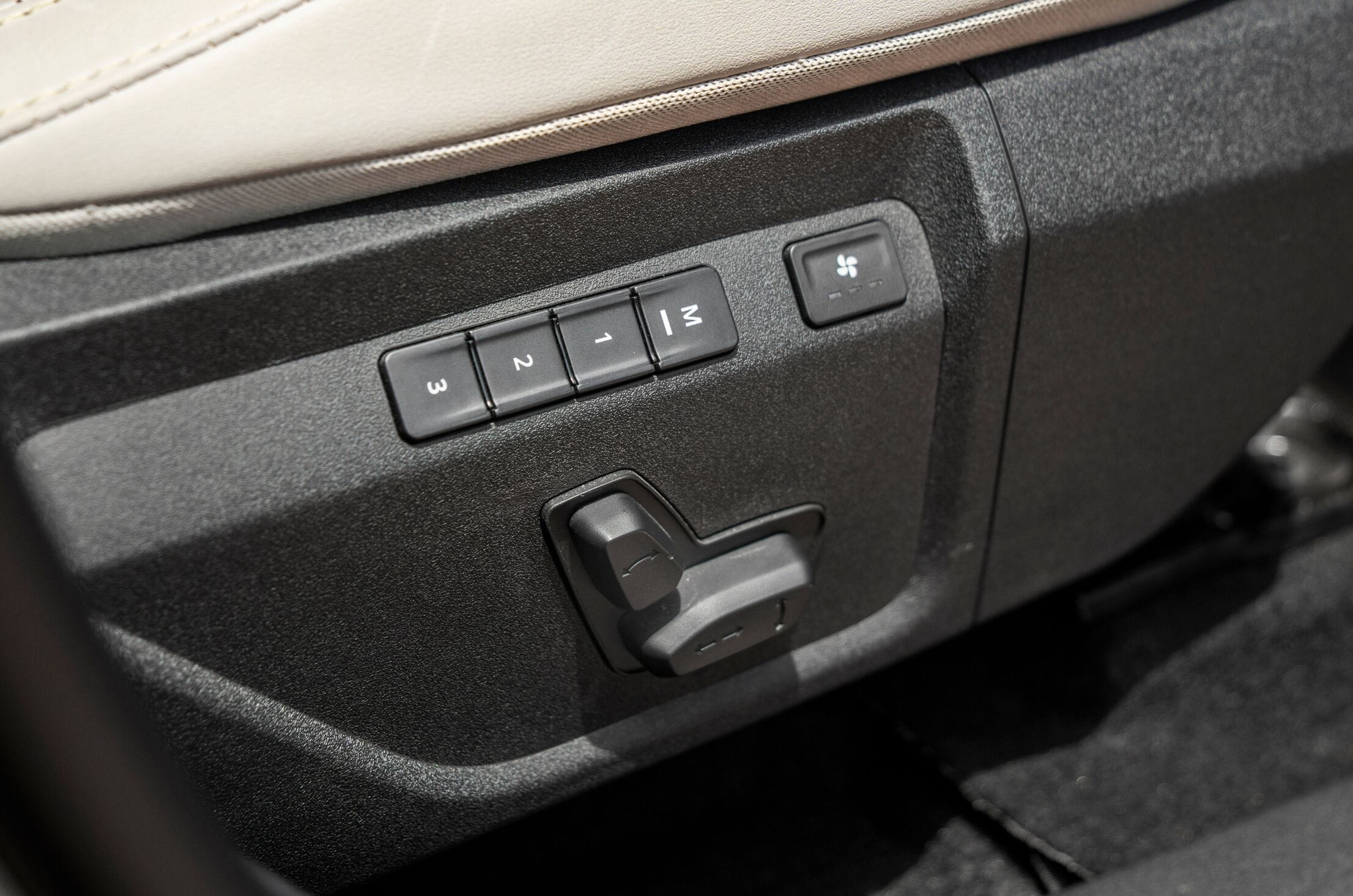
In typical Tata EV fashion, the Sierra EV even packs some bonus features over the ICE version, specifically a powered co-driver’s seat, an under-floor camera view, auto park assist, a summon mode, vehicle-to-load (V2L) and vehicle-to-vehicle (V2V) charging functions, and a head-up display along with the triple-screen setup.
Excellent cabin space and practicality
Great for chauffeur-driven buyers
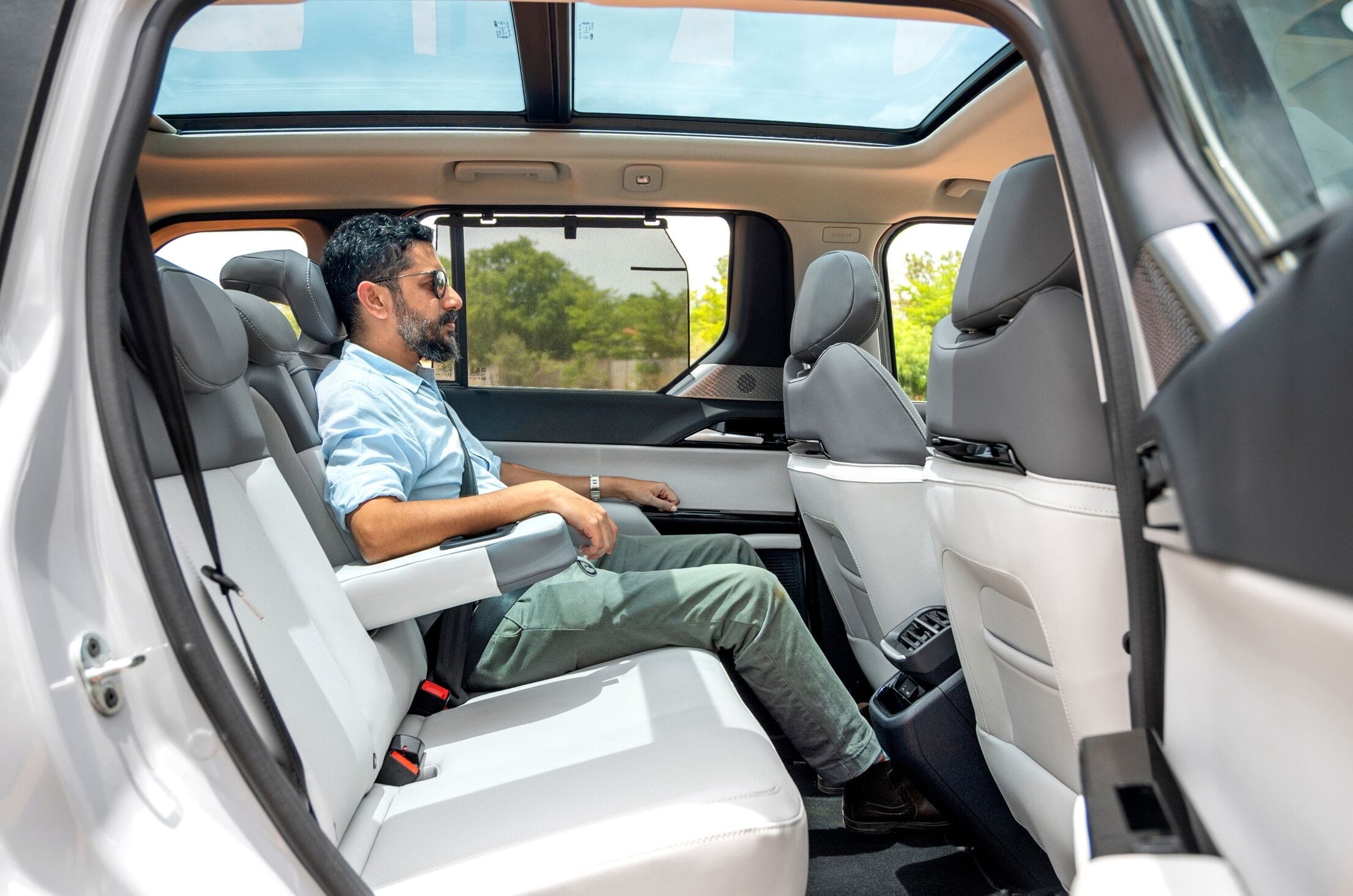
Dimensionally, the Sierra is very similar to its ICE counterpart, which means you get an incredibly roomy and lounge-like interior. Though the floor height has increased by less than an inch compared to that of the ICE Sierra, there’s nary a perceptible difference for occupants. The seats are very comfortable, there’s loads of rear legroom, and the bench even features a small amount of backrest recline.
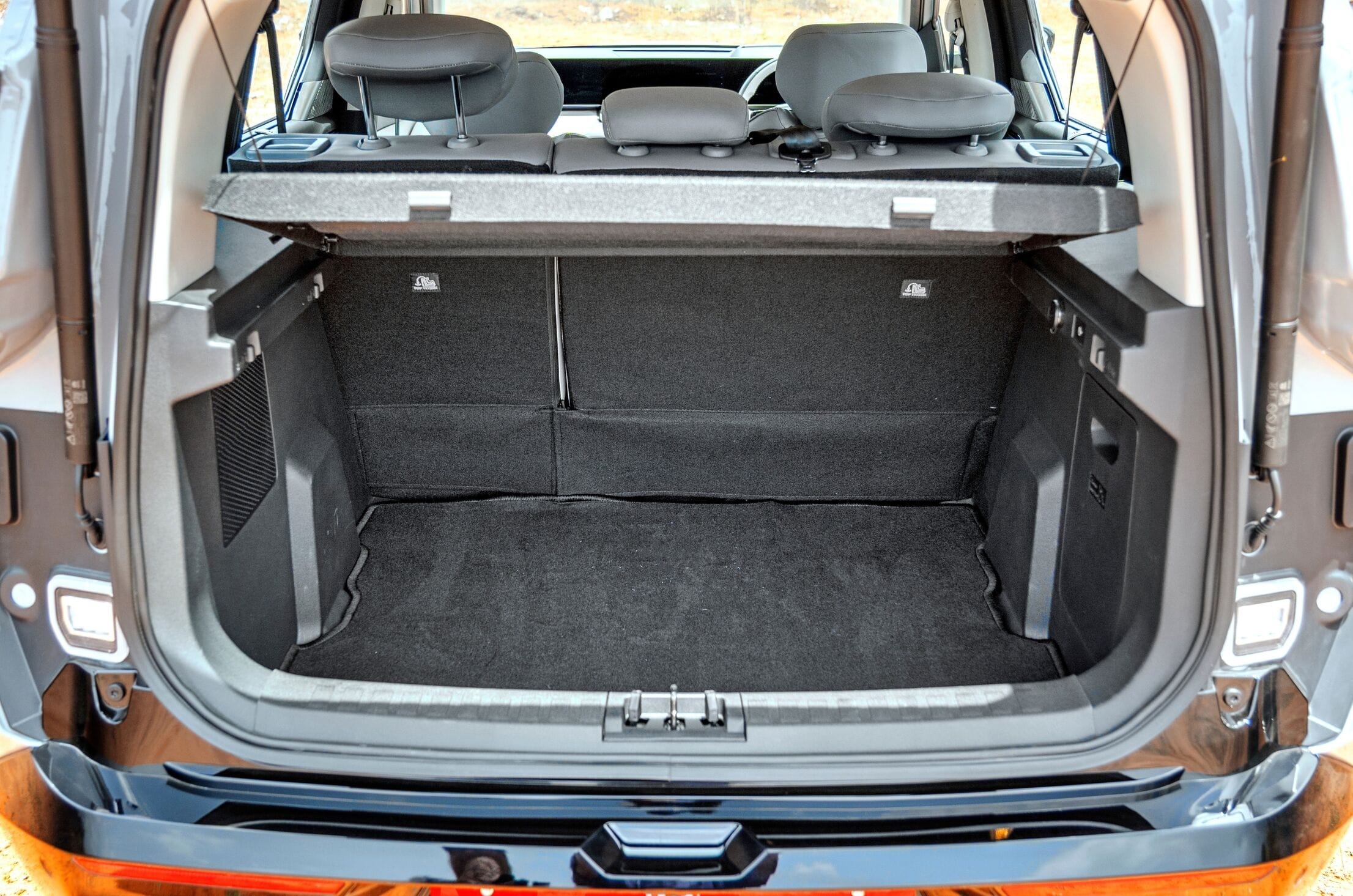
Despite the addition of a rear motor, the Sierra EV’s boot space matches the ICE version’s 622 litres. It is measured up to the roof, though, and using the conventional method of measurement, which is up to the parcel tray, the Sierra EV should offer roughly 450 litres of boot space. You even get a frunk, which measures 55 litres in the RWD versions and 35 litres in the AWD variant.
Smooth and potent powertrains
Only one in its segment to offer AWD
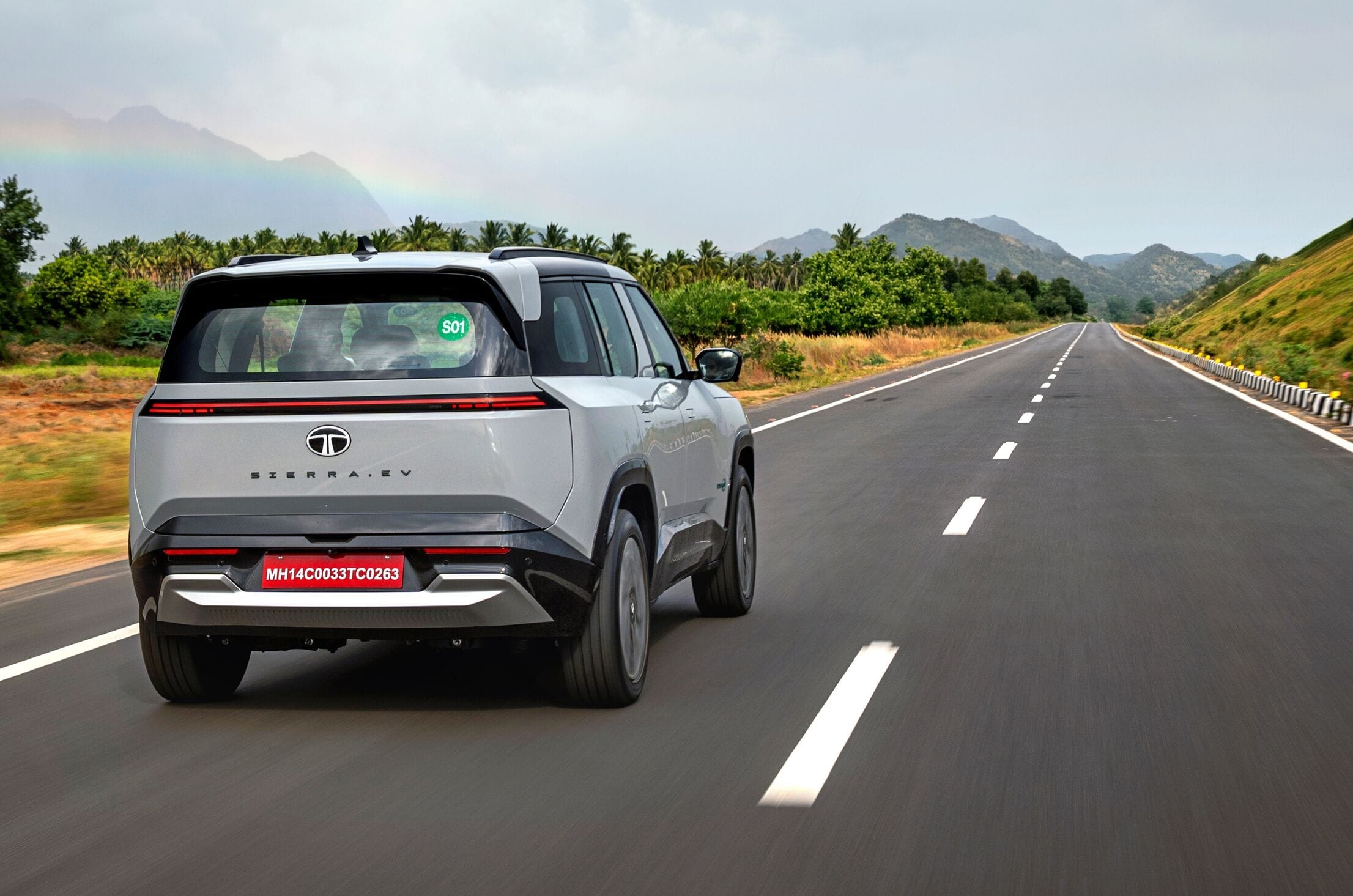
The Sierra EV can be had with 63kWh and 75kWh battery options, both of which are powered by a 315Nm rear motor (RWD) as standard. In 63kWh RWD guise, the Sierra EV develops 238hp, while the 75kWh RWD versions make 209hp. The top-spec Sierra EV Empowered A 75kWh variant additionally packs a 140hp front motor to form an AWD layout, churning out a segment-best combined output of 306hp and 504Nm.
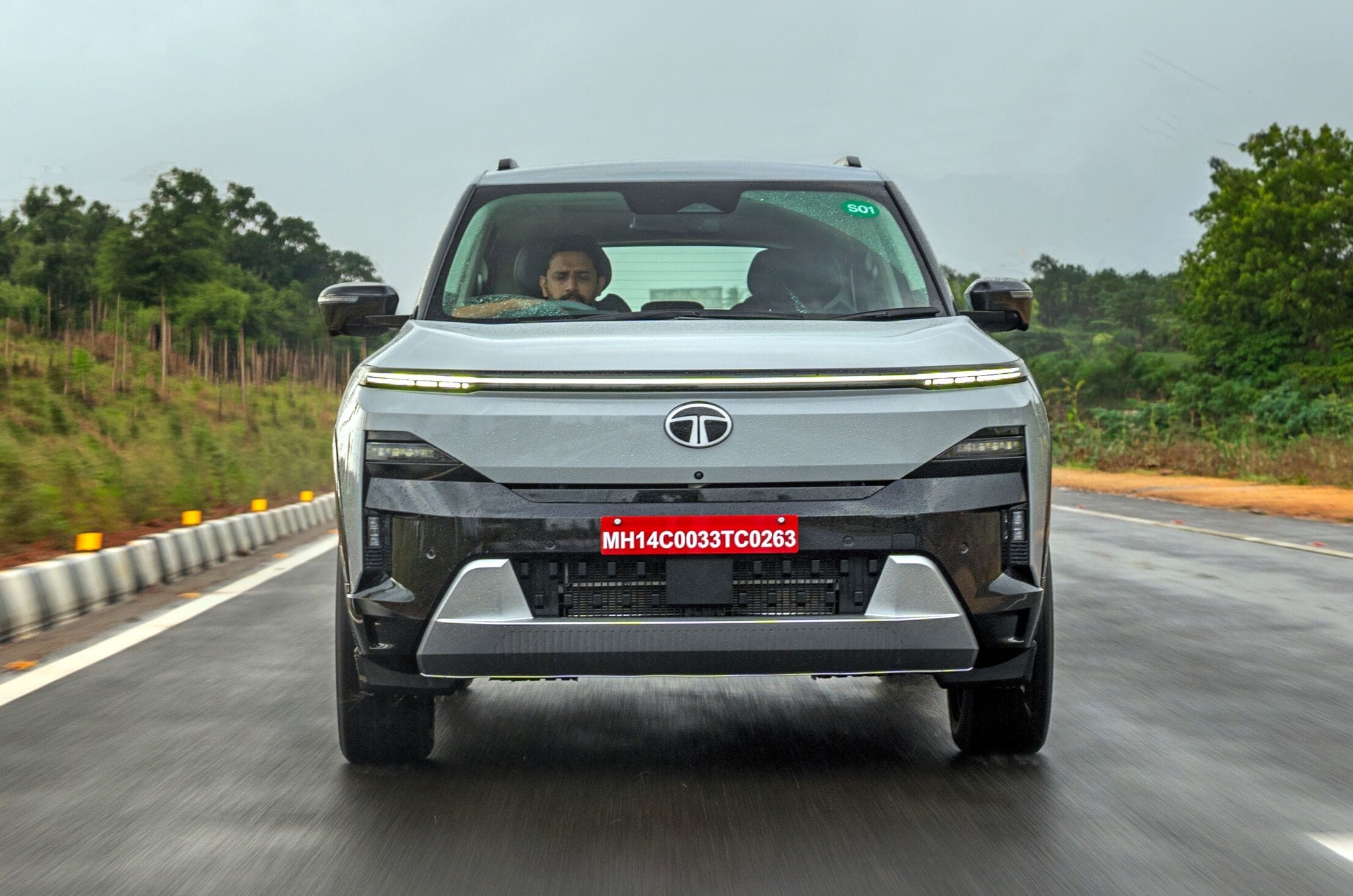
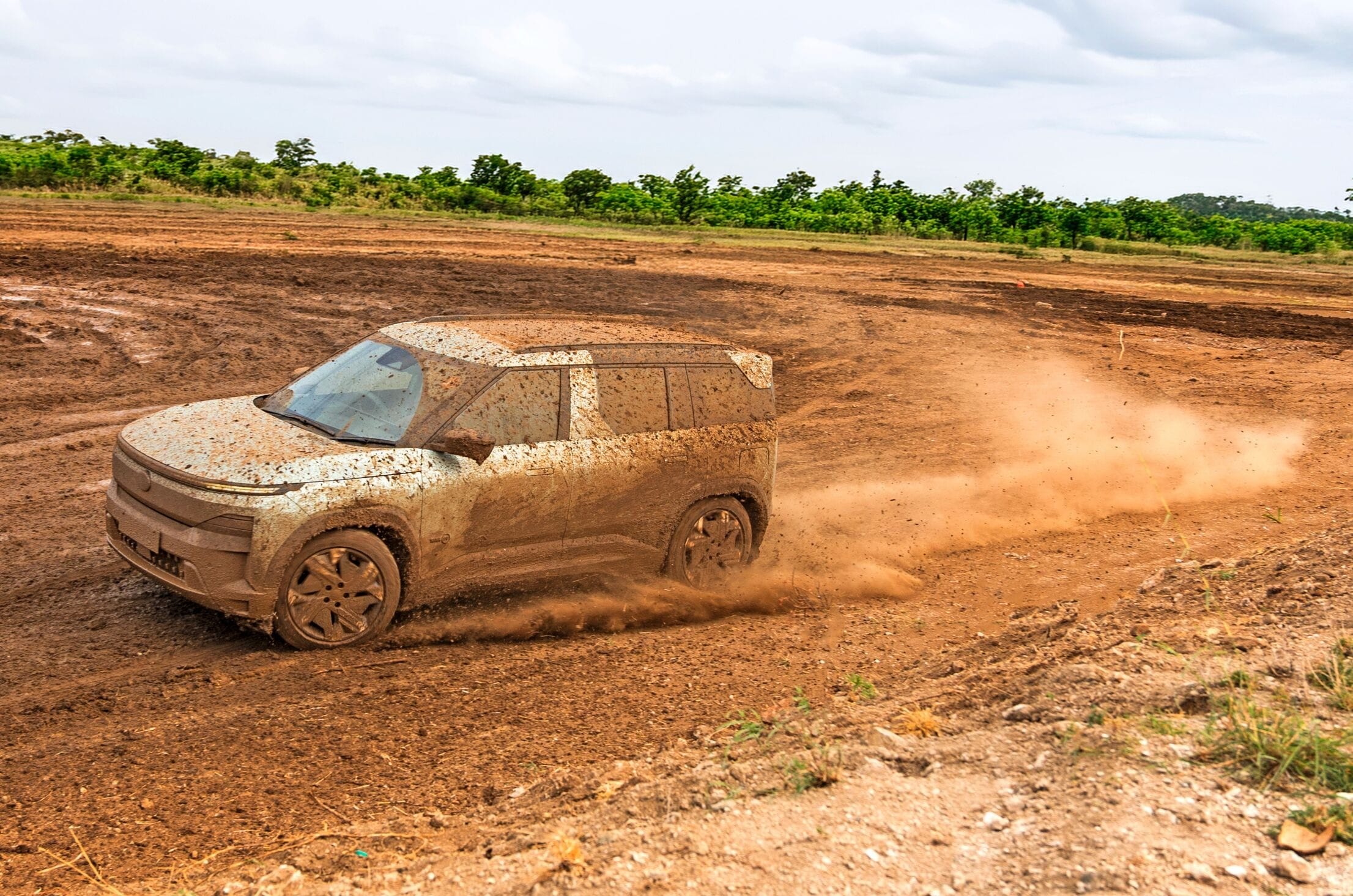
Performance is thereby a strong suit for the AWD Sierra EV, with a claimed 0-100kph time of 5.8 seconds. As we noted in our Sierra EV review, though, the SUV doesn’t feel neck-snappingly quick off the line. Power delivery is progressive and undramatic, which is fine considering the Sierra is, after all, a family SUV. On the curated off-road course we took the Sierra EV AWD on, it proved quite capable too.
As for range, the Sierra EV 75kWh RWD claims the highest ARAI figure of 665km, followed by the 75kWh AWD version at 624km and the 63kWh RWD version at 535km. These are quite competitive range figures when compared to the Sierra EV’s rivals.
Cons
Poor interior quality and ergonomics
Umbrella holders provided but without drain plugs
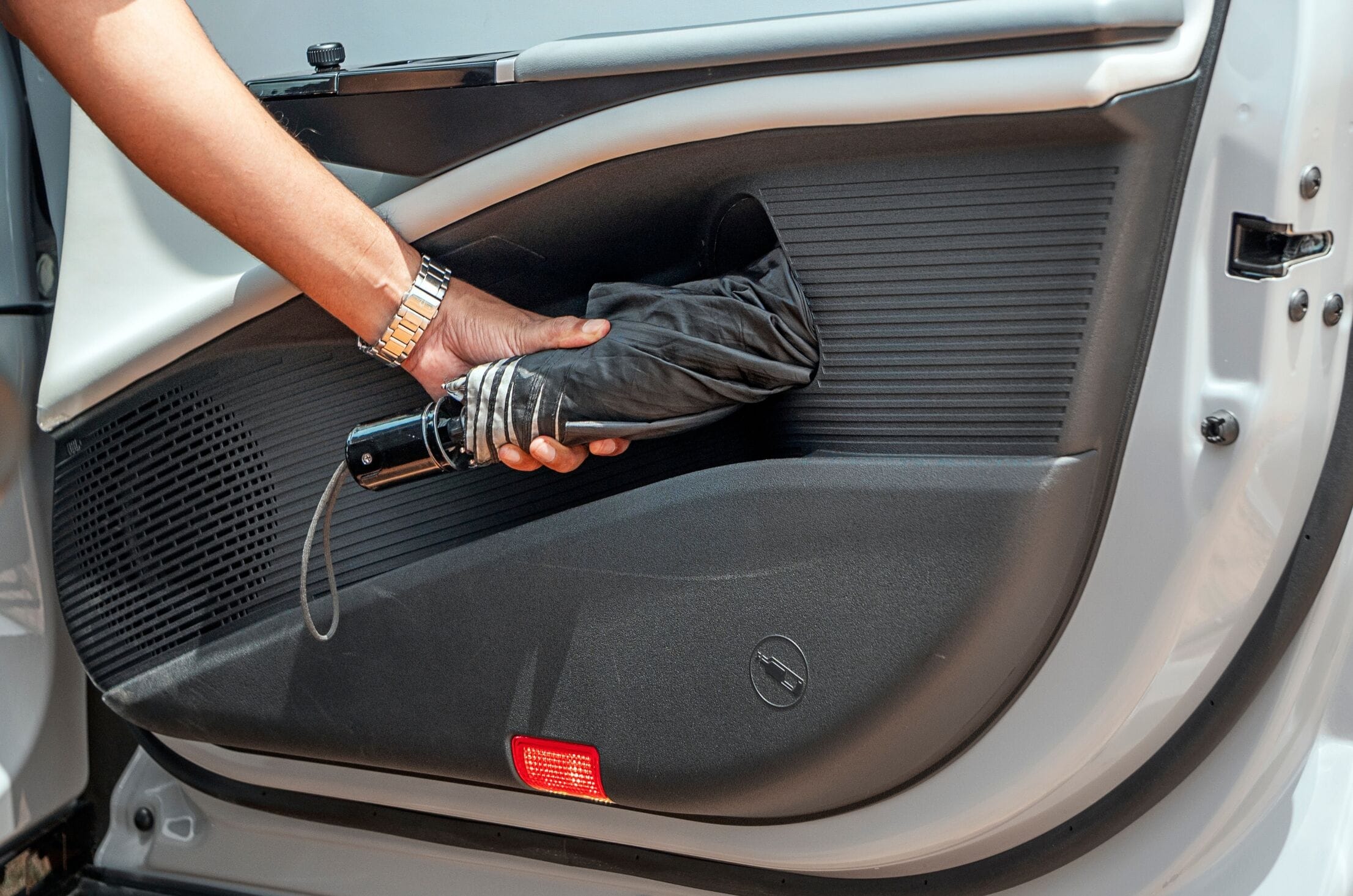
While Tata has upped its game in terms of interior fit and finish, we could still spot hard plastics, rough edges, crooked stitching and misaligned panels in the Sierra EV. There are some interior design oddities, too, like wasted space below the pedestal-mounted drive selector, narrow and tough-to-reach armrest storage, tiny cup holders placed at the base of the dashboard, no drain plugs for the umbrella holders in the door cards and conspicuous gaps next to the rear window sunblinds due to the L-shaped B-pillars.
No spare tyre on offer
Removed to accommodate battery pack
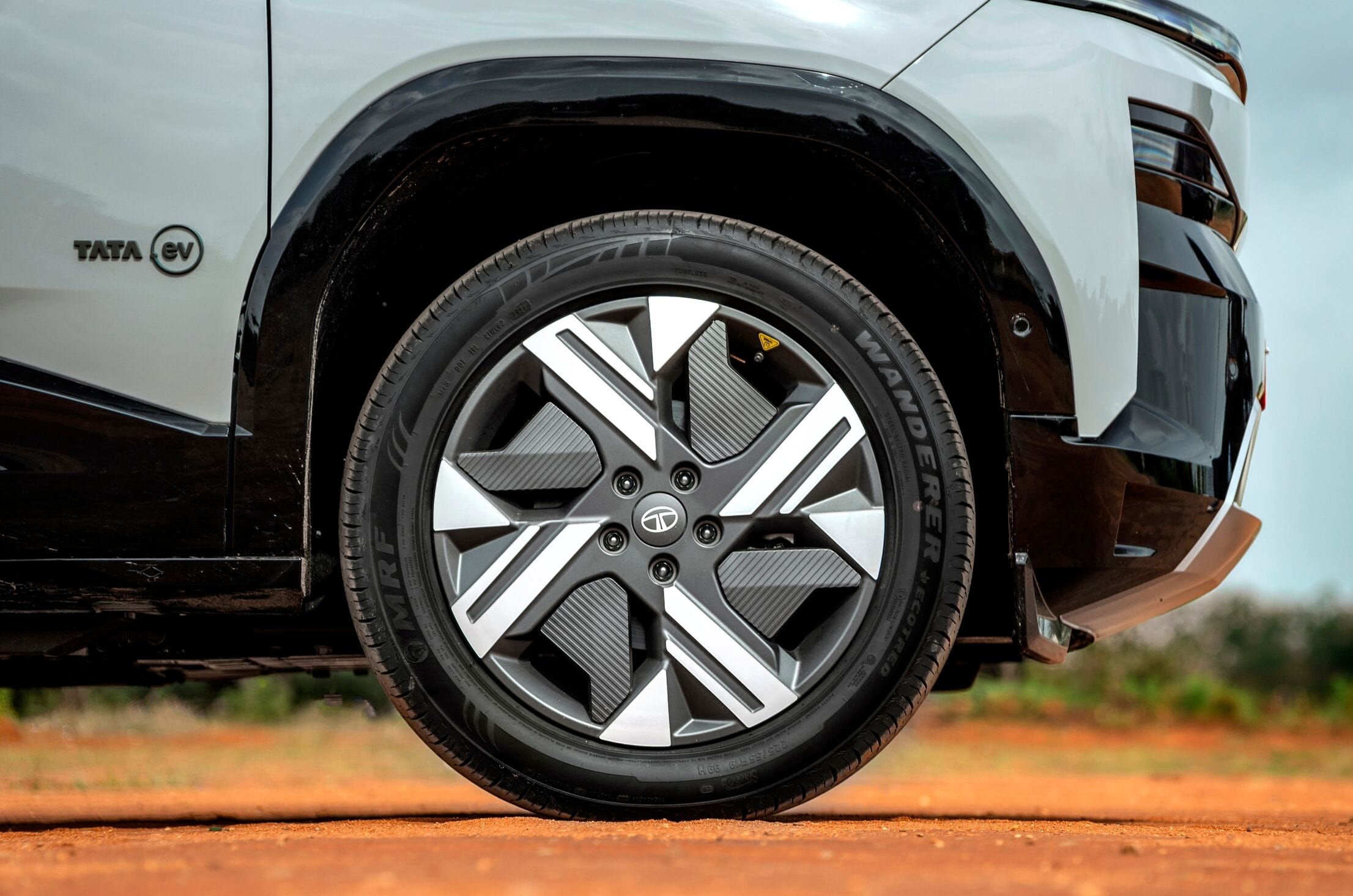
In an effort to accommodate the large battery pack, the Sierra EV sacrifices the underbody-mounted spare tyre, which is available in its ICE counterpart. Instead, it gets only a puncture repair kit.
from Autocar India https://ift.tt/ct41Bf3


Comments
Post a Comment