Norton Manx R review: TVS brings Norton back with a bang!
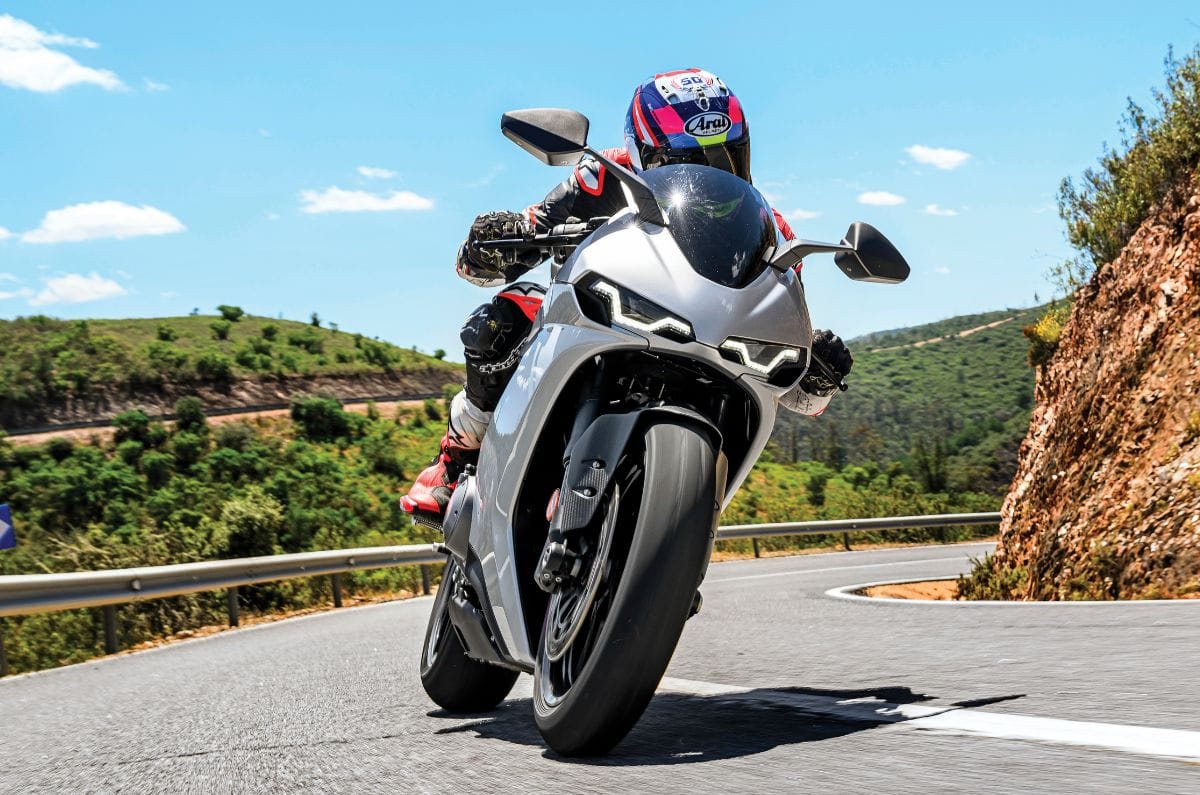
It’s a brave and difficult move to completely reimagine a troubled yet beloved century-old brand, but that is exactly what TVS has done with Norton. I was in the room when the bike was first shown to the world late last year, and I recall sharing the surprised and rather reserved response that was expressed by many in attendance. After all, the reborn Nortons were nothing like anything we expected, and instead of leaning on the past legacy, the new models leapt firmly into the future.
Norton Manx R design and quality -
Norton Manx R engine and performance -
An awesomely torque-rich riding experience with a great sound
Instead, the aim is to create a high-end, high-performance luxury product. The performance side of that is addressed by a 1,200cc 72-degree V4 engine that shares its base architecture with the previous Norton V4SV but little else. Peak power is 206hp at 11,500rpm, although it’s the torque that really grabs headlines with 130Nm at 9,000rpm. Not only is that the highest figure in the class, but both max power and torque come in a good 2,000-3,000rpm lower than the competition. In fact, this engine is already pushing 100Nm at just 5,000rpm.
There’s plenty of cool engine tech as well, including titanium intake valves, independently controllable throttle bodies for the front and rear cylinder banks and rear-cylinder deactivation when the bike is below 5kph in heavy traffic. Despite no pretensions of being a race bike, it has a cassette-style gearbox that makes for easier maintenance should the need ever arise.
Norton claims a unique ‘phased pulse’ firing order, and the result is a great-sounding engine. It’s got a growl, bark and roar that sounds closer to the Aprilia RSV4 than the Ducati Panigale V4, and it is pleasingly loud for a motorcycle compliant with Euro 5+ norms. The soundtrack is a big part of what makes this such a special engine, but you can also feel the motor rumble through the motorcycle, which only adds to the experience. Despite this, there are no upsetting or intrusive vibrations, and we had no issues with buzzy hands or feet.
The engine was probably my favourite part of the bike. Age and experience have taught me that torque is where the effortless fun’s at, and the Norton’s rideability is noticeably a step above track-obsessed rivals. The fact that you never have to rev it over 11,000rpm on track makes it easier to exploit the performance, and I enjoyed that. Throttle response was smooth and predictable, even in the more aggressive modes. While a couple of folks mentioned issues of unexpected neutrals, I found the gearbox to be without fault and the up/down quickshifter a treat to use.
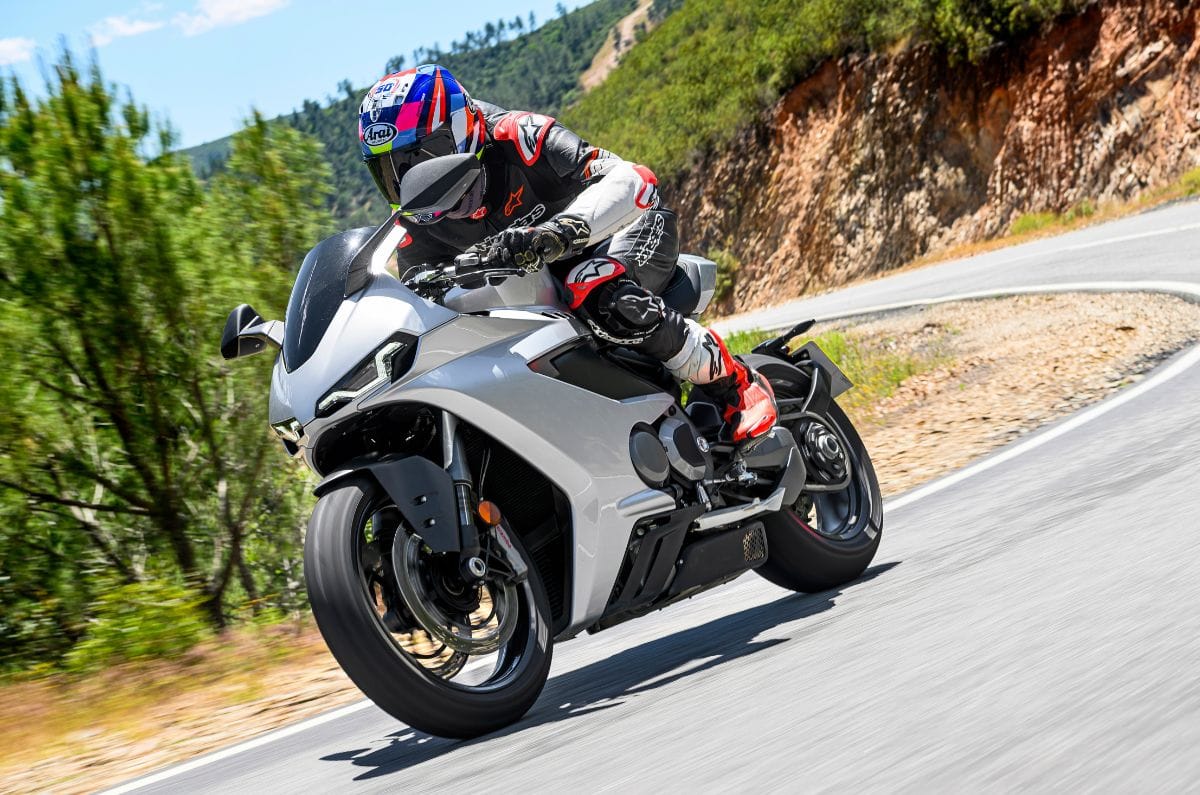
Out on the road, the mid-range was just fabulous, and the motor pulls with conviction from as low as 4,000rpm. The absolute bottom end below 2,000rpm is a little grumpy and definitely not as smooth as a Japanese inline-four, so I suspect it won’t be as mellow as a 10R to ride at a slow pace in the city. However, the three-hour road ride suggested that it’s a far more usable thing than a (literal) fire-breathing Panigale and perhaps even the S 1000 RR. Norton also claims best-in-class heat management, and while there was definitely some heat to be felt, it never got nasty. Still, the real test of this lies in India.
Norton Manx R handling and chassis -
Thoroughly track capable, but it’s a bit on the heavy side
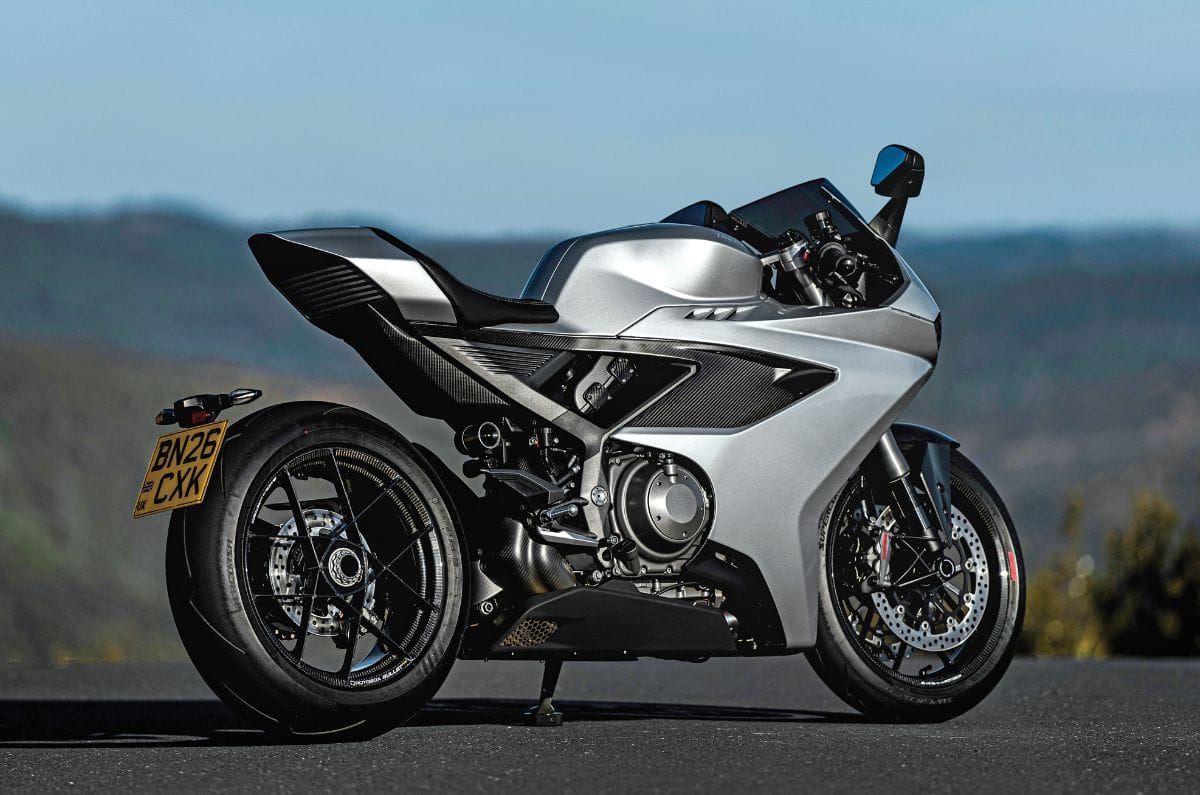
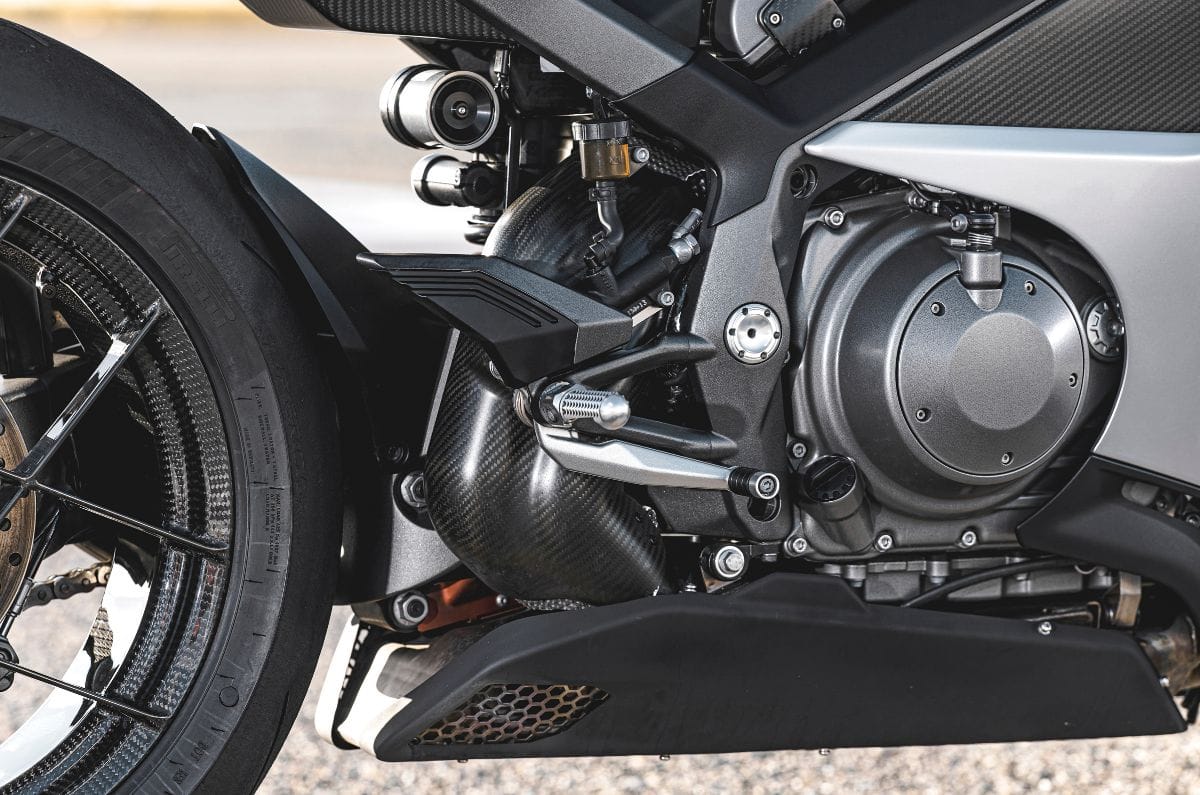
The chassis is a rather unique die-cast aluminium setup. It is cast in India in five separate pieces, which are welded together at Norton’s Solihull facility in the UK and then CNC machined for all the bodywork and mechanical connection points. The engine is also assembled in India, and other locally sourced components include the TFT display, headlamps and even the carbon-fibre body panels.
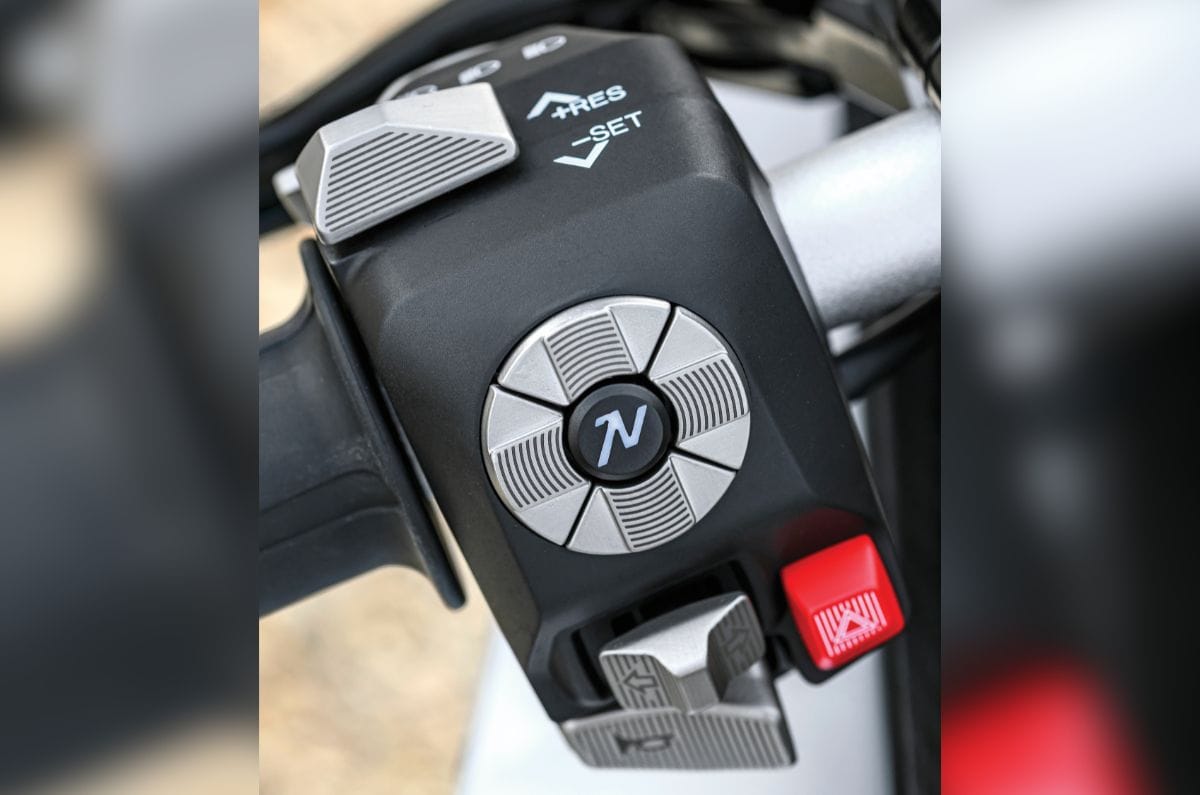
Norton’s obsessive drive to make this a beautiful object of desire can be seen in things such as the flush-fitting bodywork with no visible external fasteners, a gorgeous single-sided swingarm and even a fully keyless system operated via the unusually beautiful aluminium switchgear. The effect of all this is lovely, but there’s a price to pay, and that’s weight. The base model weighs nearly 220 kilos, while the Signature version with the carbon-fibre wheels and bodywork that we rode is still at around 210 kilos fully fuelled.
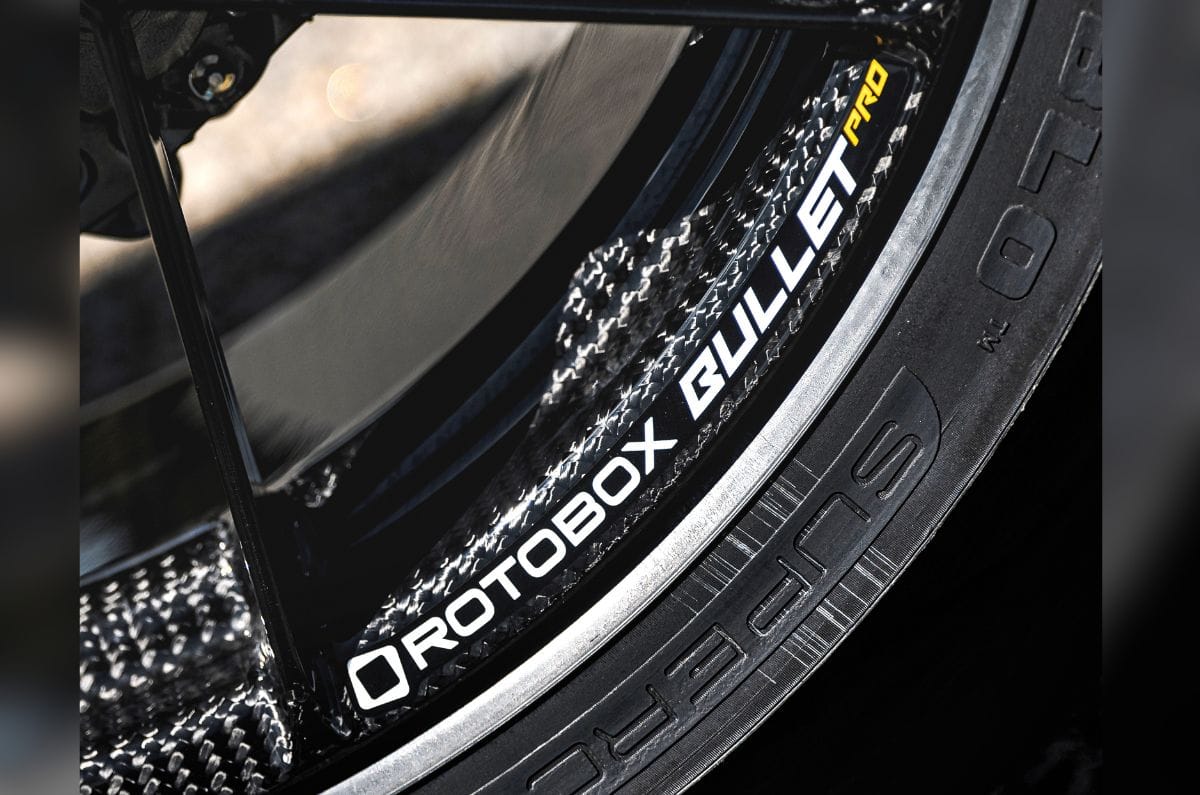
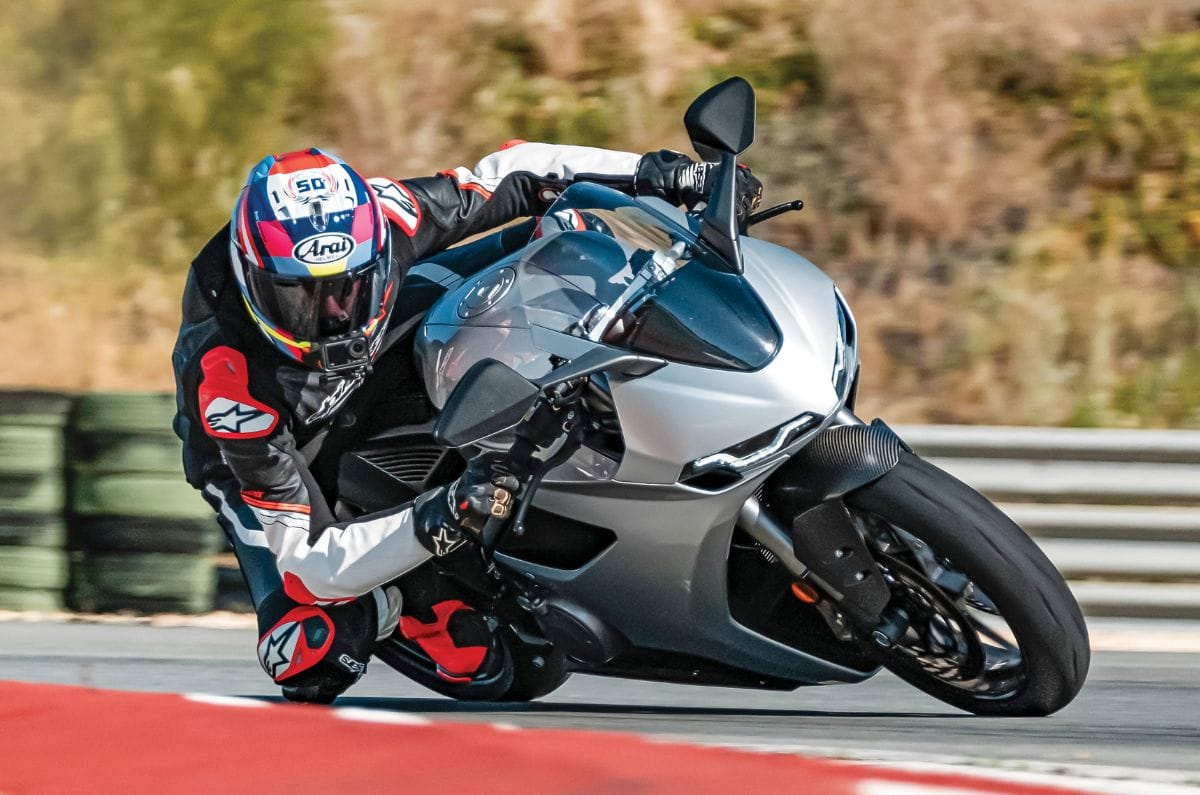
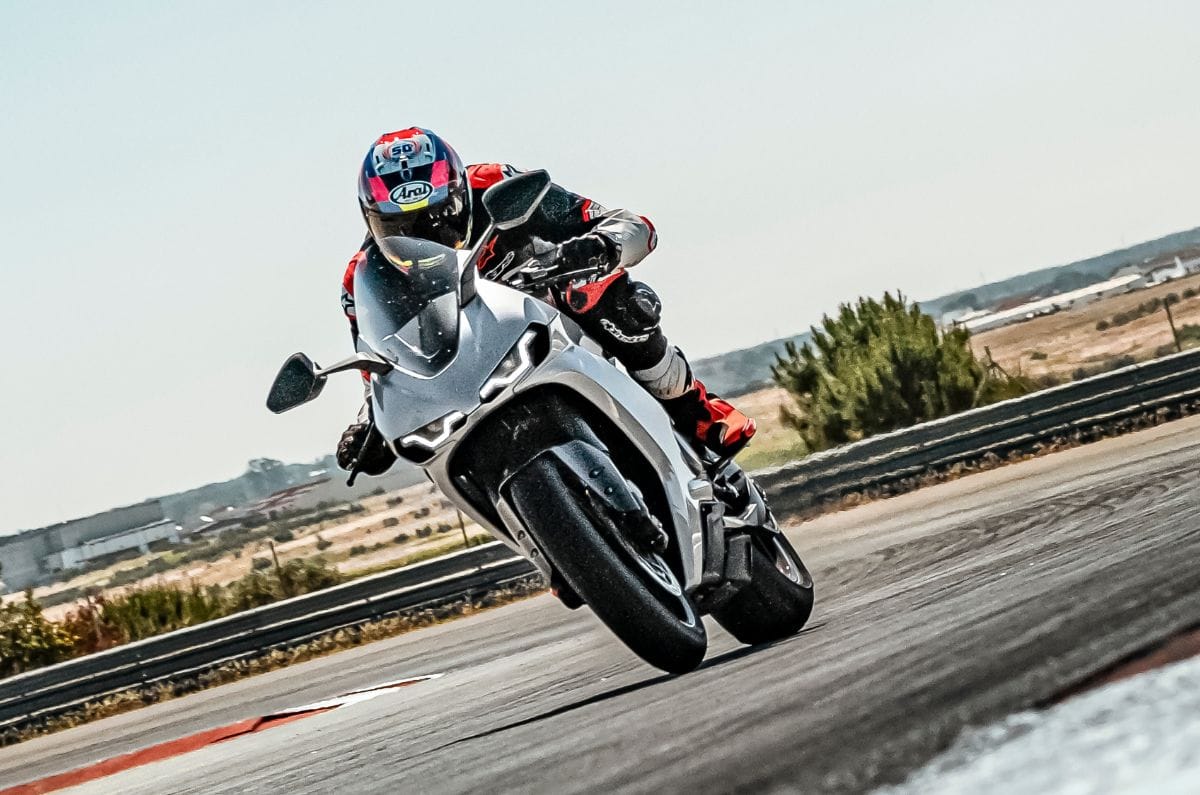
That’s over ten kilos more than a Panigale V4, but Norton keeps reminding us that this is not another high-strung track special and that the Manx is designed to be more of an all-round, real-world usable superbike. Even so, it’s an absolute belter on track, as we learned at the Monteblanco Circuit outside Seville.
The first session was a little awkward and uncomfortable, which I chalk up more to the fact that I’d just jumped onto a completely unfamiliar bike for the first time at a circuit I’d never been to on a fairly chilly morning. Still, the bike felt like a little more work than many of us would have expected, and Brian Gillen, Norton’s highly accomplished CTO, suggested we shift from Track mode for the suspension to Road mode. He explained that Track mode was designed to work when the bike was being pushed to the limit, which none of us were doing at that point.
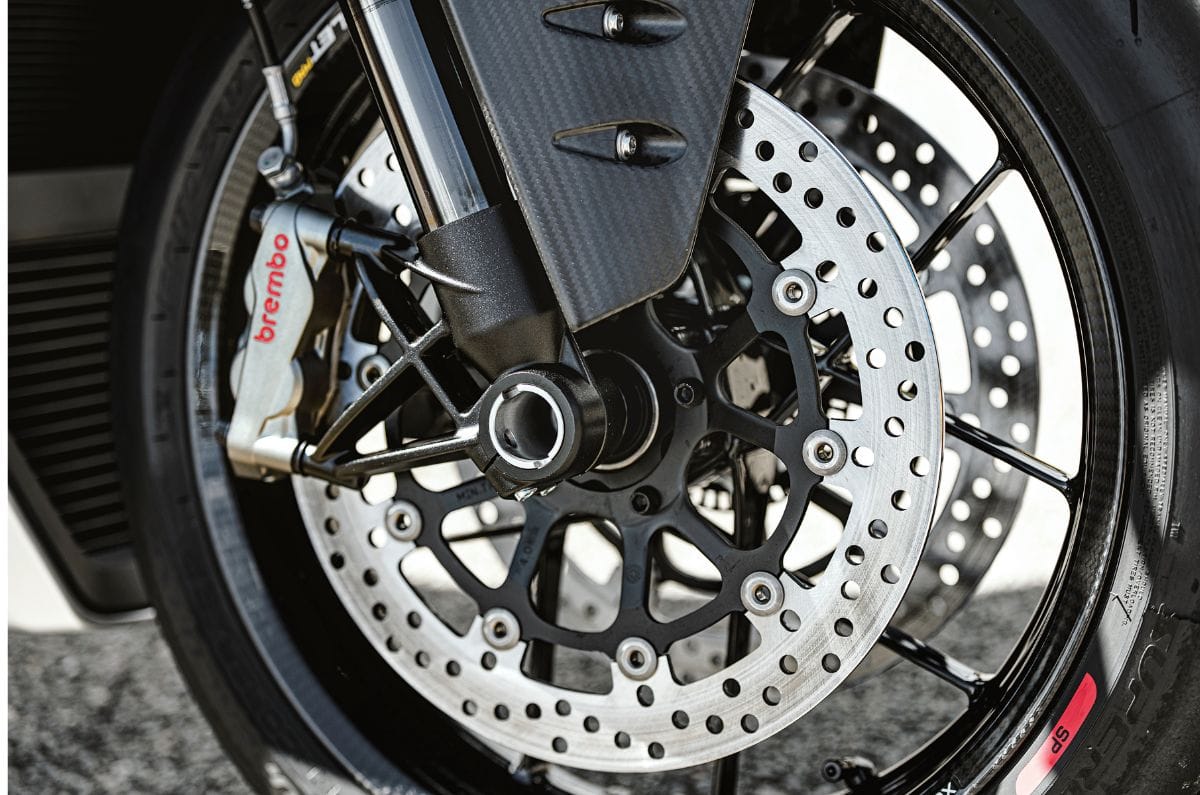
This worked wonders, with the bike feeling a lot more fluid and more willing to hold a line. While the weight was slightly noticeable in quick left-to-right chicanes, the Brembo Hypure brakes were superb and showed absolutely no signs of stress in our two sessions on track. The bike also impressed with how well it hooked up and drove out of the corners on the Supercorsa SP V4 tyres.
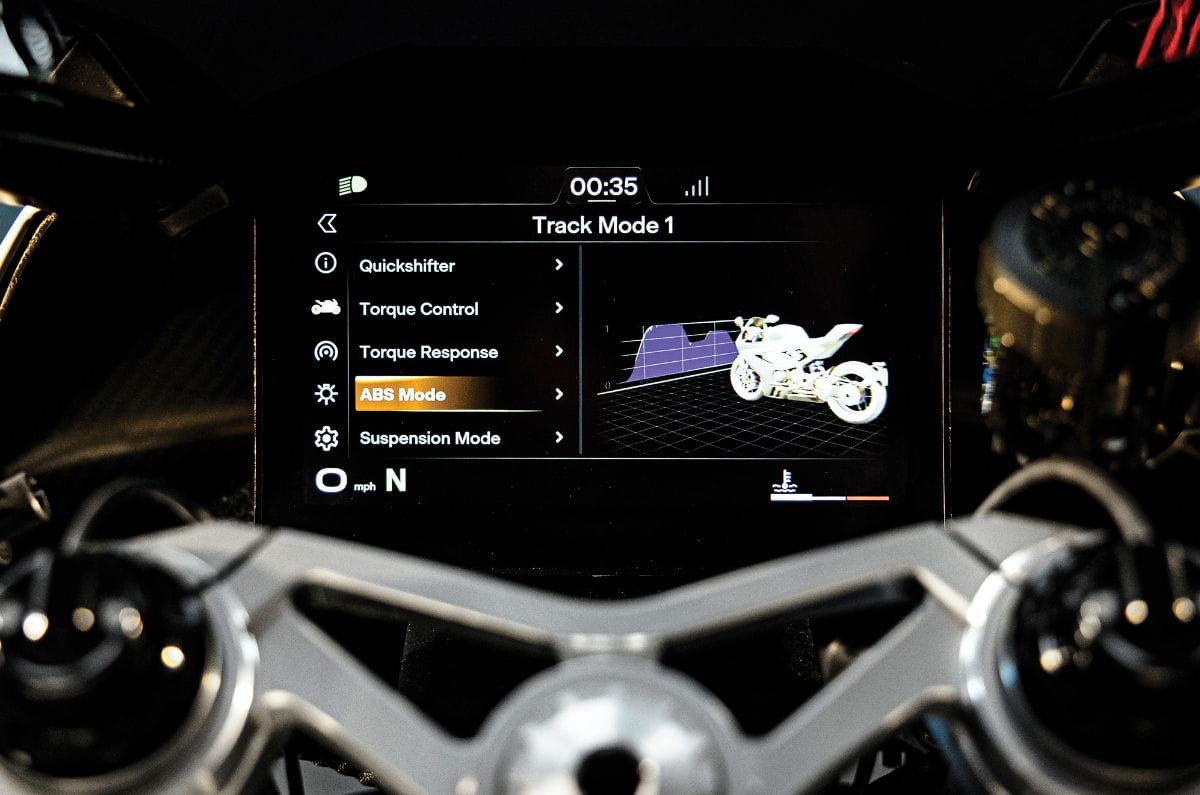
The Manx comes with a proper suite of electronics as standard, including the usual suspects like multiple riding modes, cornering ABS, wheelie control and multi-level traction control, but it also has features such as hill-hold, launch control and slide control.
Norton Manx R features -
Excellent electronics but not the most adjustability, and TFT interface could be further refined
The electronic systems work very well, but they aren’t quite as minutely adjustable as those on some other bikes in the class. The same goes for the semi-active Marzocchi suspension – it works very well in its preset modes, but you can’t individually set how the damping behaves or put it in a fixed mode. Again, Norton tells us this is to keep the bike more straightforward for the target customer, who isn’t likely to be a lap-time-obsessed track fiend.
Out on the street, the Marzocchi suspension is pleasantly pliant (within reason), and it absorbed the few small bumps and potholes we encountered without any fuss or nastiness. In fact, the chassis composure in general is very good, whether you land a small wheelie on track with the steering not 100 percent straight or hit an unexpected bump on the street. That instils a lot of confidence when pushing this bike hard, even when you consider that it has the shortest wheelbase in the class.
The riding position is well-judged for the most part, but I’d have liked a longer seat and found the seat’s upward curve constantly pushing me forward, which did get tiring. The low windscreen looks good, but you’d be better off with the accessory tall screen that was installed on the bikes we rode on the track.
Another concern is that the 14.5-litre fuel tank is too small for a bike this powerful, and you’ll be filling it very often. The lack of a fuel gauge compounds this issue, and it’s something we hope Norton can incorporate with a future update.
The 8-inch TFT touchscreen is good to look at, but we noticed it was very slow to boot up and a little glitchy when we tried accessing the internal menus via the switchgear. We also noticed a couple of glitches with the riding modes, and these electronics are an area where Norton still has some work to do.
Norton Manx R price and verdict -
A thoroughly modern and desirable superbike, but it can be very expensive
Aside from that, I think TVS and Norton have succeeded in their quest to produce a high-end, high-performance luxury motorcycle. The Manx is gorgeous to look at, truly special to ride and rather unique in the 2026 superbike market. This in itself is a great accomplishment for both companies.
As for prices in the UK, the base model (Rs 26 lakh, converted from GBP) and the Apex variant with forged wheels and electronic suspension (Rs 32 lakh) both slot in below the equivalent Panigale in that market. However, the carbon-bejewelled Signature variant that we were riding sees a huge step up and costs the equivalent of Rs 49 lakh in the UK.
Production at Solihull should ramp up in earnest in about a month’s time, and we estimate that the first deliveries overseas should start by July or thereabouts. As for India, the local launch should happen at around the same time, and these bikes will be retailed through a brand-new dealer network. Some outlets in big cities will be exclusively Norton, but others will also retail premium TVS products.
After the smashing first impression this bike has made, we’re really looking forward to what else Norton has in store, especially the Atlas ADV twins that will be fully manufactured in India this year and could turn out to be genuine game-changers!
from Autocar India https://ift.tt/Gm5Bqrf


Comments
Post a Comment