Longest-running two-wheelers in continuous production in India
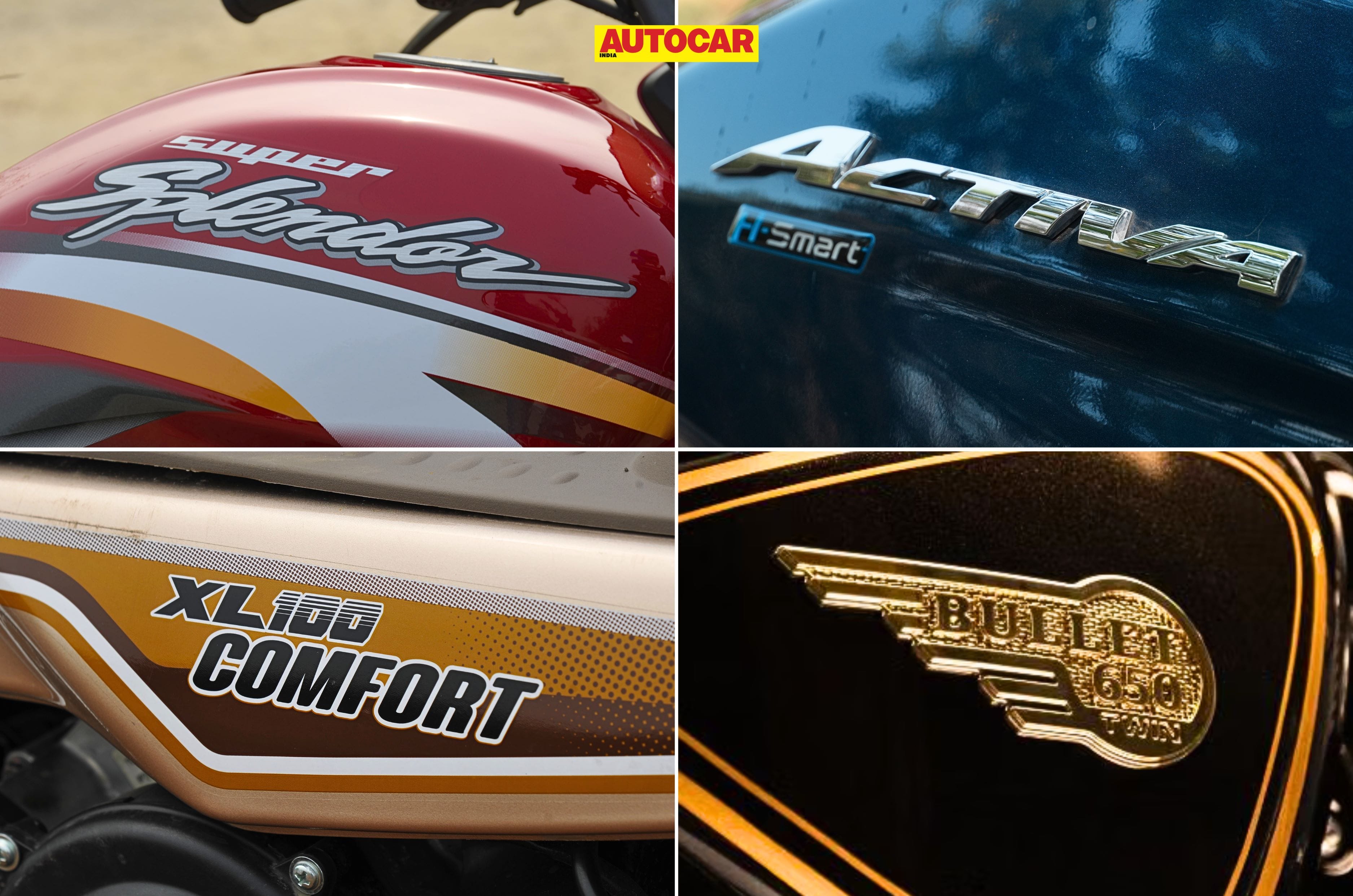
Staying relevant in the 21st century is getting increasingly tough with social media making people’s attention spans shorter than ever. While there are multiple models that topped the sales charts during their heydays, sustaining sales numbers and remaining relevant is the bigger challenge with changing times.
We have curated a list of two-wheeler nameplates that have stood the test of time and remained in continuous production for over 20 years. There are a few nameplates that were earlier discontinued but later made a comeback, such as the Chetak and Karizma, however those do not make the cut owing to their brief discontinuation.
2006
Launches from 2006 complete two decades this year and are the most recent entrants on this list.
Bajaj Platina
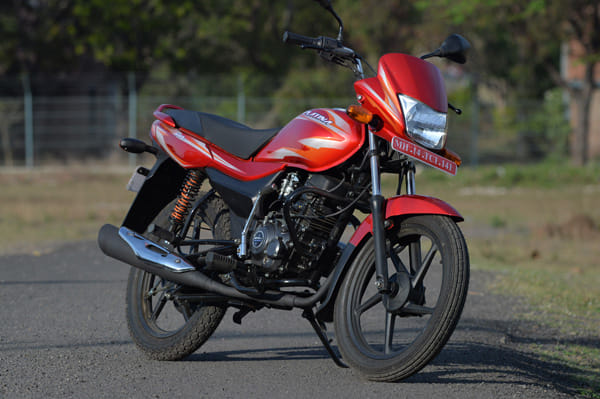
Despite being in production for over 20 years, the Bajaj Platina is the newest model on this list. It was launched in April 2006 at an introductory ex-showroom price of around Rs 35,000. Shortly after its launch, the hardy Platina crossed cumulative sales of 5 lakh units.
Bajaj later introduced a higher displacement 125cc version based on the same platform in 2007, but it could not replicate the sales success of its smaller sibling and was eventually discontinued.
Honda Shine
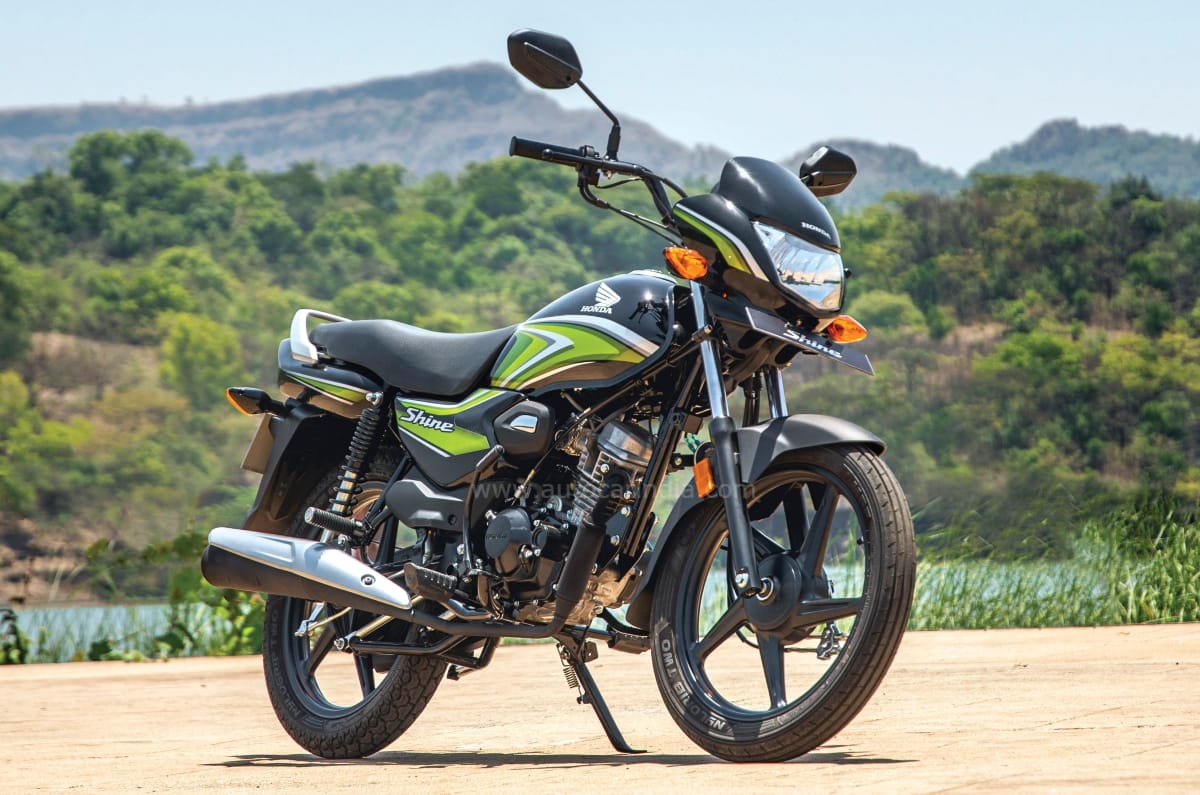
The Shine was also launched during the same period as the Bajaj Platina. Introduced by Honda Motorcycle and Scooter India (HMSI), the Shine quickly established itself as one of the strongest-selling motorcycles in the 125cc commuter segment. Now this nameplate has also been extended to its 100cc commuter range that currently includes the Shine 100 and Shine 100 DX.
What really worked in the Shine’s favour was how effortlessly dependable it was. It was not flashy or aggressively sporty, but for lakhs of Indian buyers, that smooth Honda refinement, light clutch and fuss-free ownership experience mattered far more than outright performance figures. In many ways, the Shine became the default upgrade for riders moving up from 100cc commuters.
2005
The year 2005 witnessed several important launches that continue to remain relevant even today.
TVS Apache
.jpg)
The Apache is among TVS Motor Company’s most successful motorcycle nameplates. What started as a sporty commuter motorcycle eventually evolved into a sub-brand of its own, spanning multiple engine capacities and catering to a wide range of riders.
Today, the Apache portfolio ranges from 160cc motorcycles all the way up to the Apache RR 310. More recently, TVS has also launched its first adventure motorcycle under the Apache badge with the RTX.
Bajaj Avenger
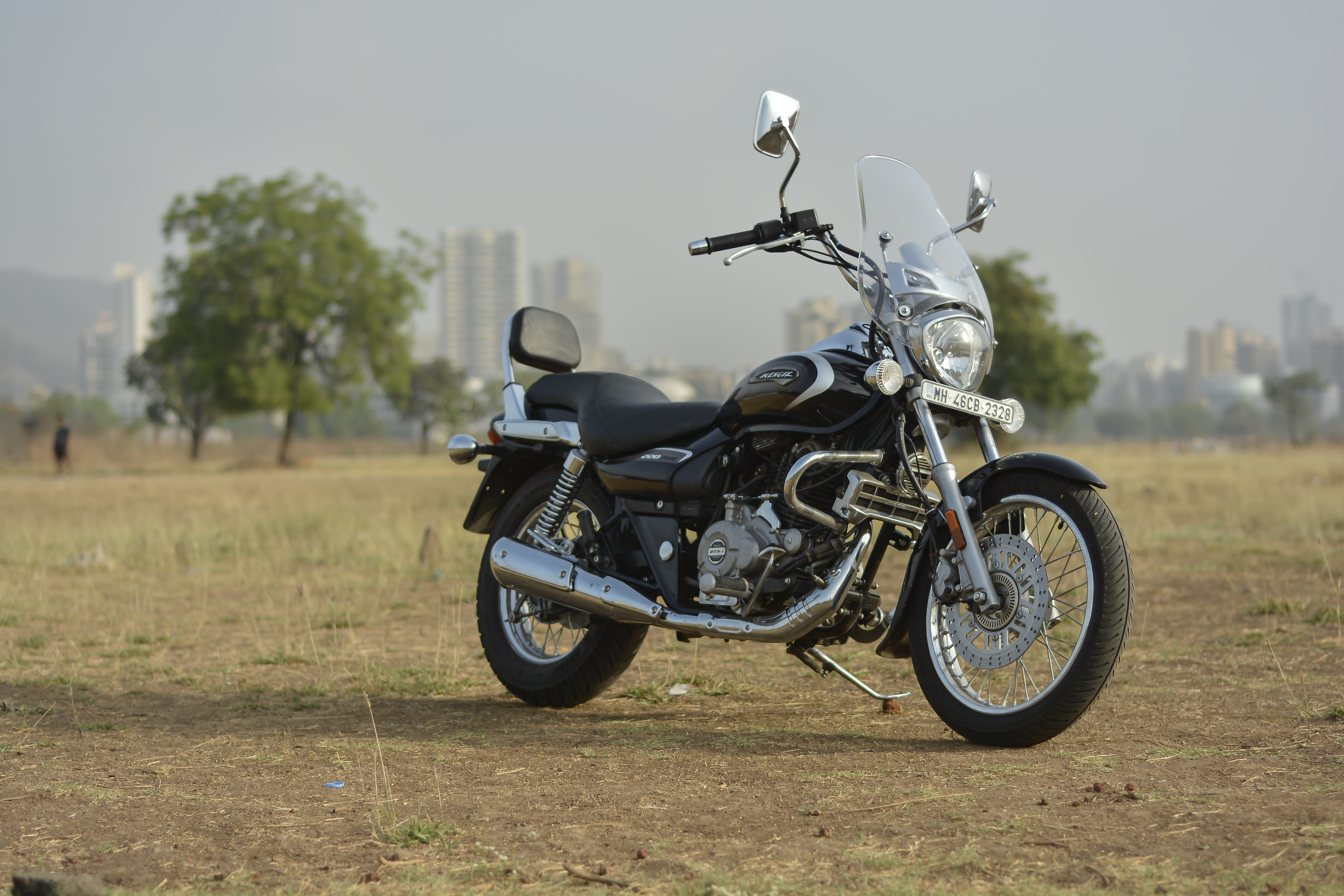
The Bajaj Avenger was launched in 2005 and drew styling inspiration from the Bajaj Kawasaki Eliminator while using the 178cc engine from the Pulsar 180 in a different state of tune better suited to cruiser-style riding characteristics.
It also played an important role in popularising the cruiser format among Indian buyers with its feet-forward and open-chest riding posture at a relatively accessible price point. Over the years, the motorcycle evolved into the Avenger 220 Cruise with a larger-capacity engine and incremental updates while retaining the same core formula.
Bajaj had also introduced the Avenger Street range in smaller capacities over the years, though the lineup is now centred around the 220cc versions.
Hero Pleasure
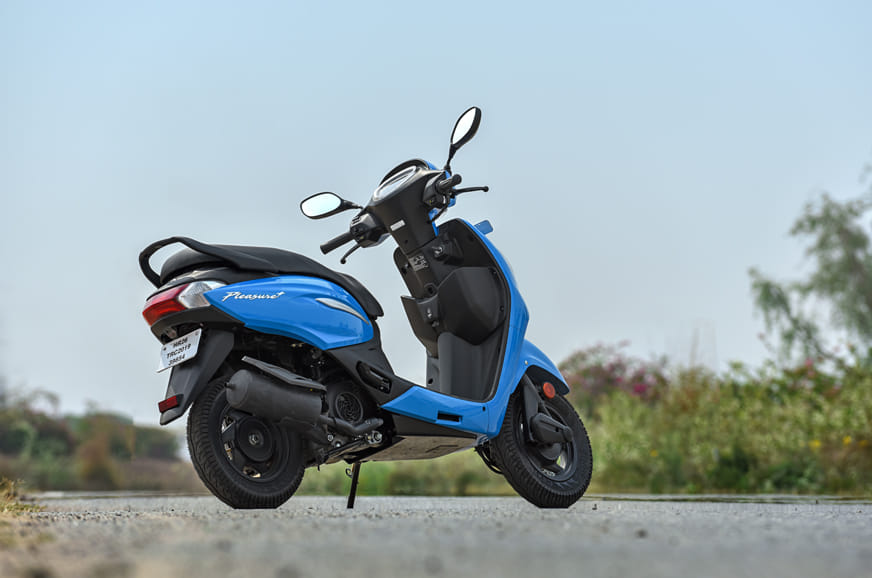
Hero MotoCorp - then Hero Honda - had an array of launches in 2005 that continue to remain relevant today. Starting with the Hero Pleasure, it marked the company’s entry into the scooter segment and went on to become one of the brand’s most recognisable scooters.
One of the reasons that gave the Pleasure incredible popularity was its marketing strategy aimed squarely at female riders with the tagline: “Why should boys have all the fun?” Apart from the great marketing, the Pleasure was inherently a well-sorted, lightweight scooter that was approachable for first time riders as well.
Over the years, the scooter received multiple updates including feature additions and emissions-compliance revisions. In 2020, Hero MotoCorp introduced the updated Pleasure Plus, carrying forward the same nameplate, years after its debut.
Hero Glamour
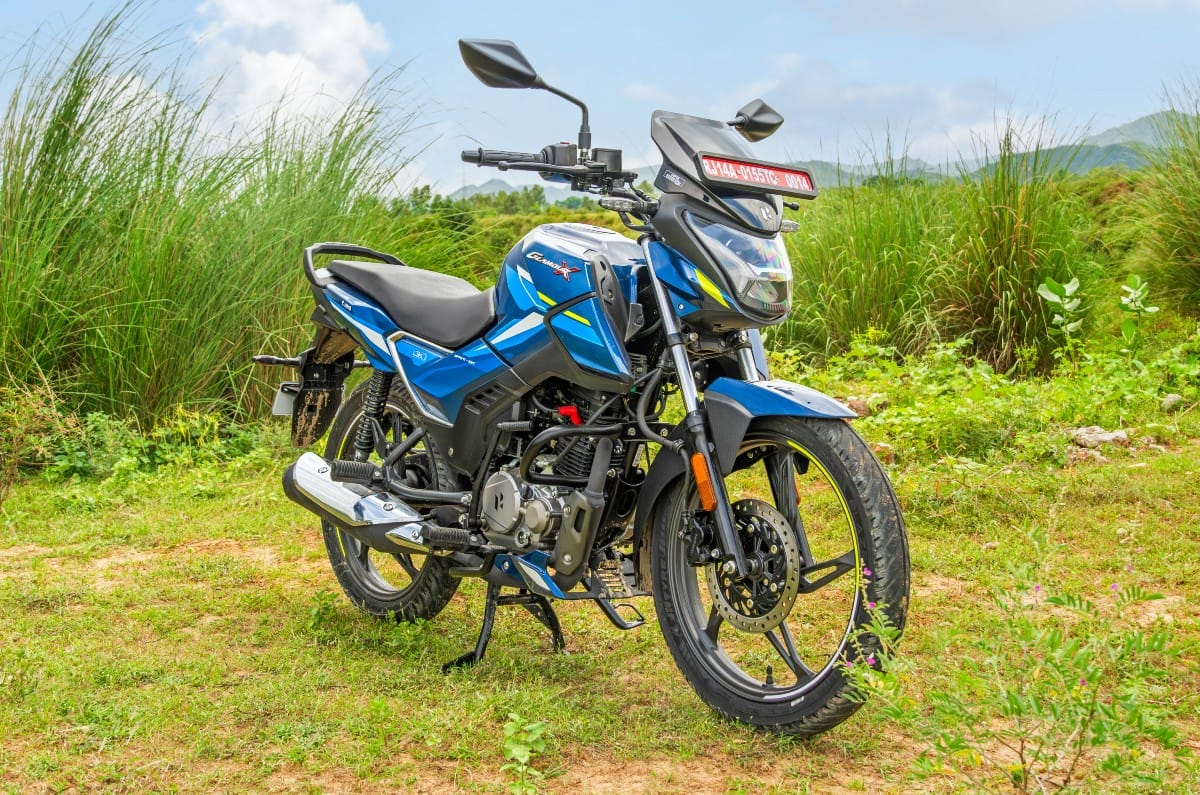
Launched as a premium 125cc commuter motorcycle under the Hero Honda brand, the Glamour quickly established itself as a successful middle ground between conventional commuters and pseudo-sporty motorcycles while looking noticeably more premium.
Over time, the Glamour evolved into a more feature-rich premium commuter. Hero MotoCorp later introduced the Glamour Xtec range, adding features such as Bluetooth connectivity and, more recently, ride-by-wire with cruise control on the Glamour X, making it the most affordable motorcycle in the country to offer this convenience feature.
Hero Super Splendor
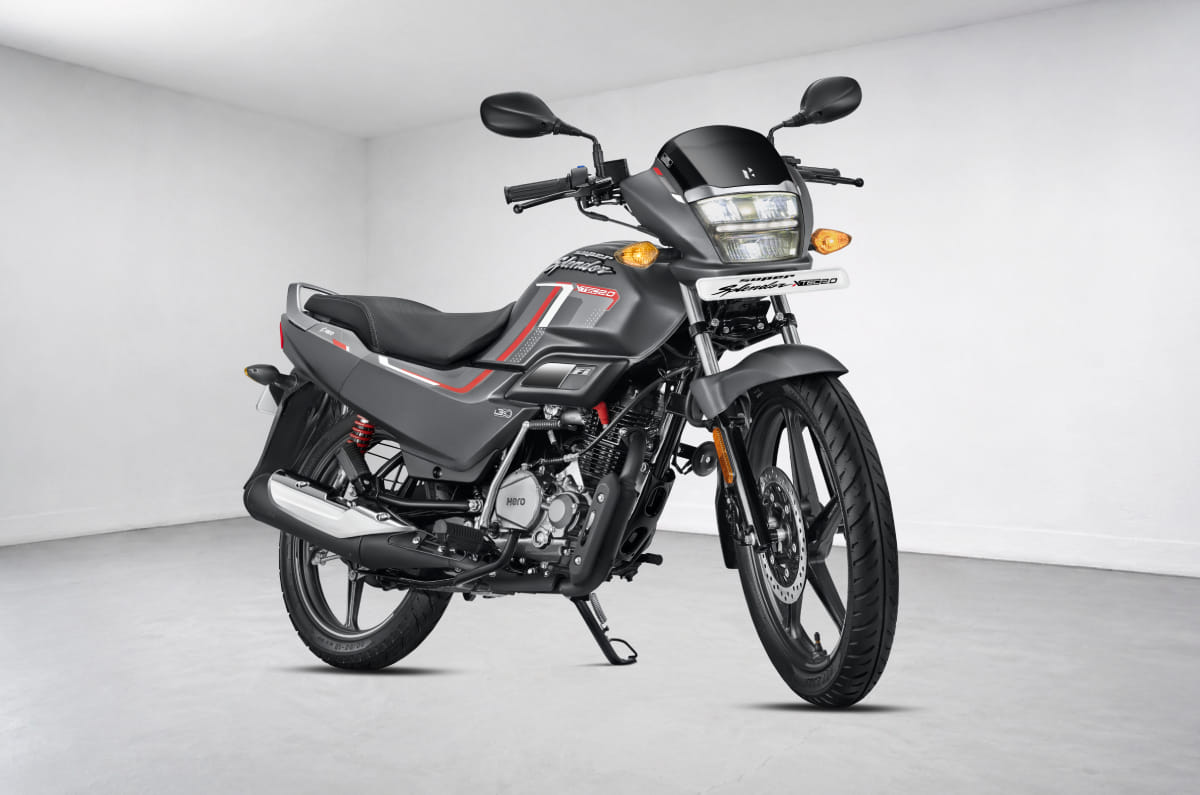
The Super Splendor catered to buyers looking for a practical 125cc commuter motorcycle at a relatively accessible price point. Compared to the Glamour, it featured more understated styling while offering convenience features such as electric start, which was still gaining popularity during that period.
Hero HF Deluxe
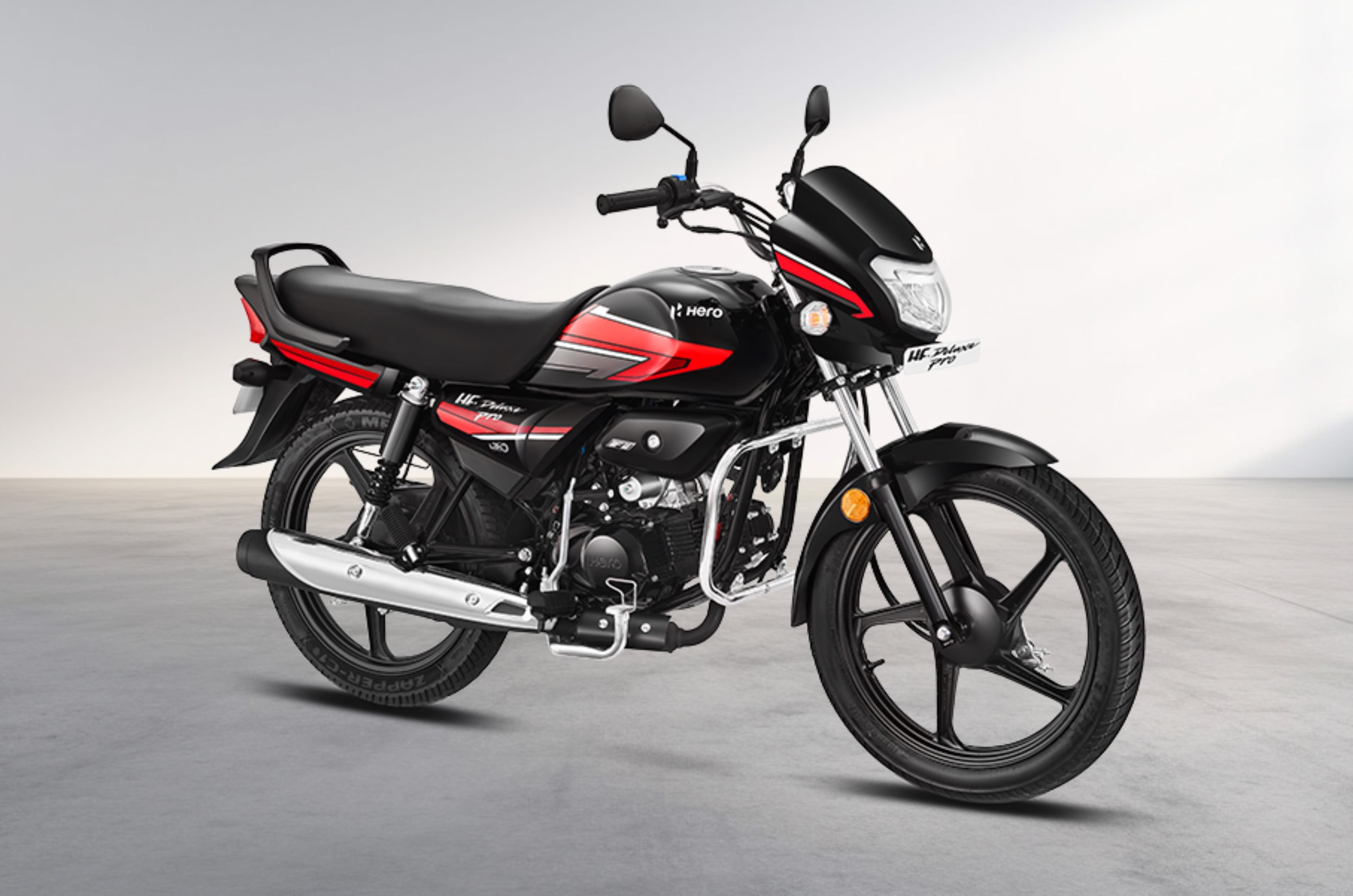
The HF Deluxe was originally sold as the CD Deluxe during the Hero Honda era before eventually adopting the HF nomenclature. Positioned as an entry-level commuter motorcycle, it slotted above the HF Dawn and below the Splendor in Hero’s lineup.
Today, the HF range consists of the HF 100 and HF Deluxe, both catering to budget-conscious commuter buyers.
2004
The year 2004 saw the launch of two important motorcycles in India’s commuter segment.
TVS Star City
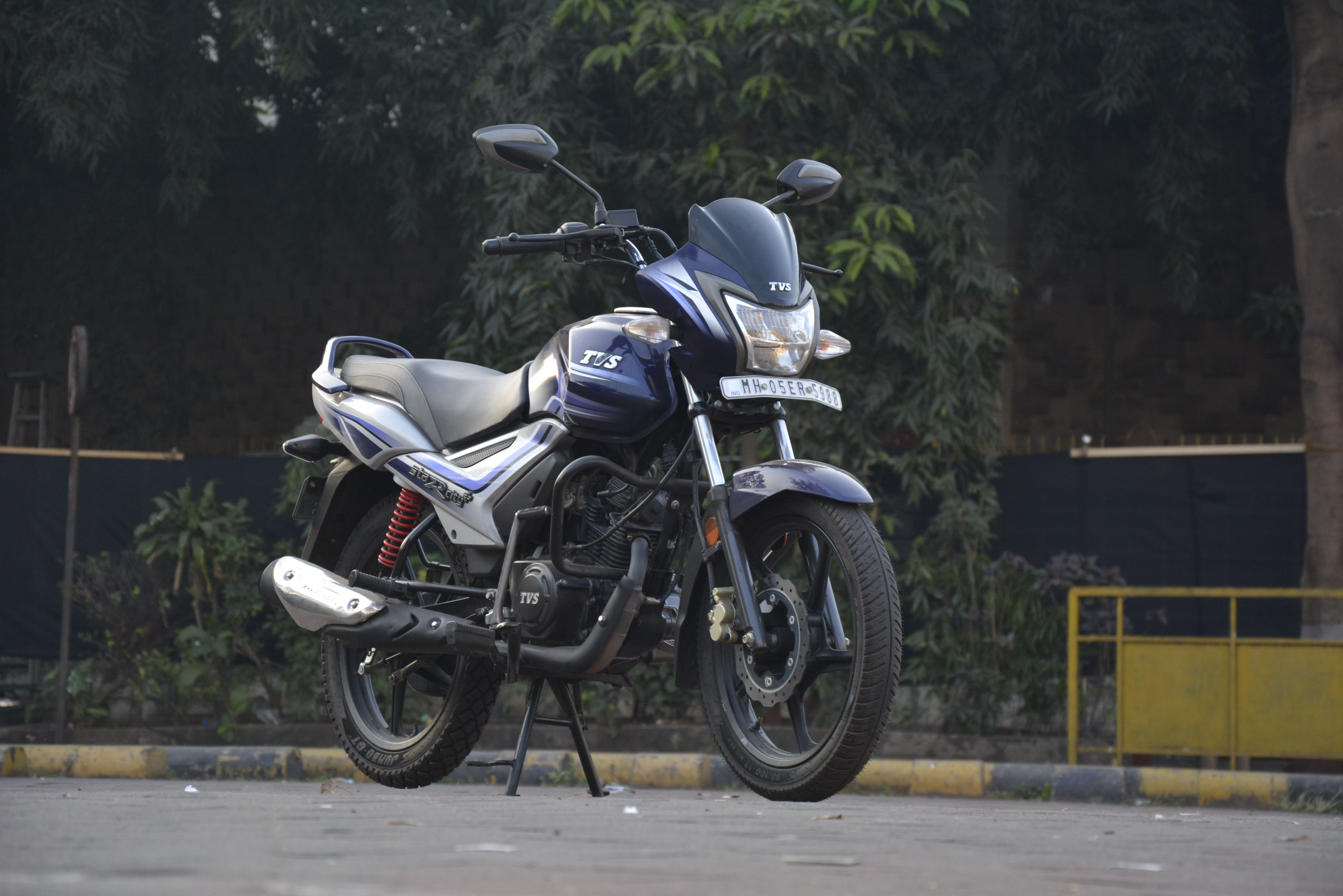
The TVS Star City, now known as the Star City+, was launched in 2004. Over the years, the commuter motorcycle received several cosmetic revisions, efficiency improvements and feature updates to remain relevant in the highly competitive entry-level segment.
Honda Unicorn
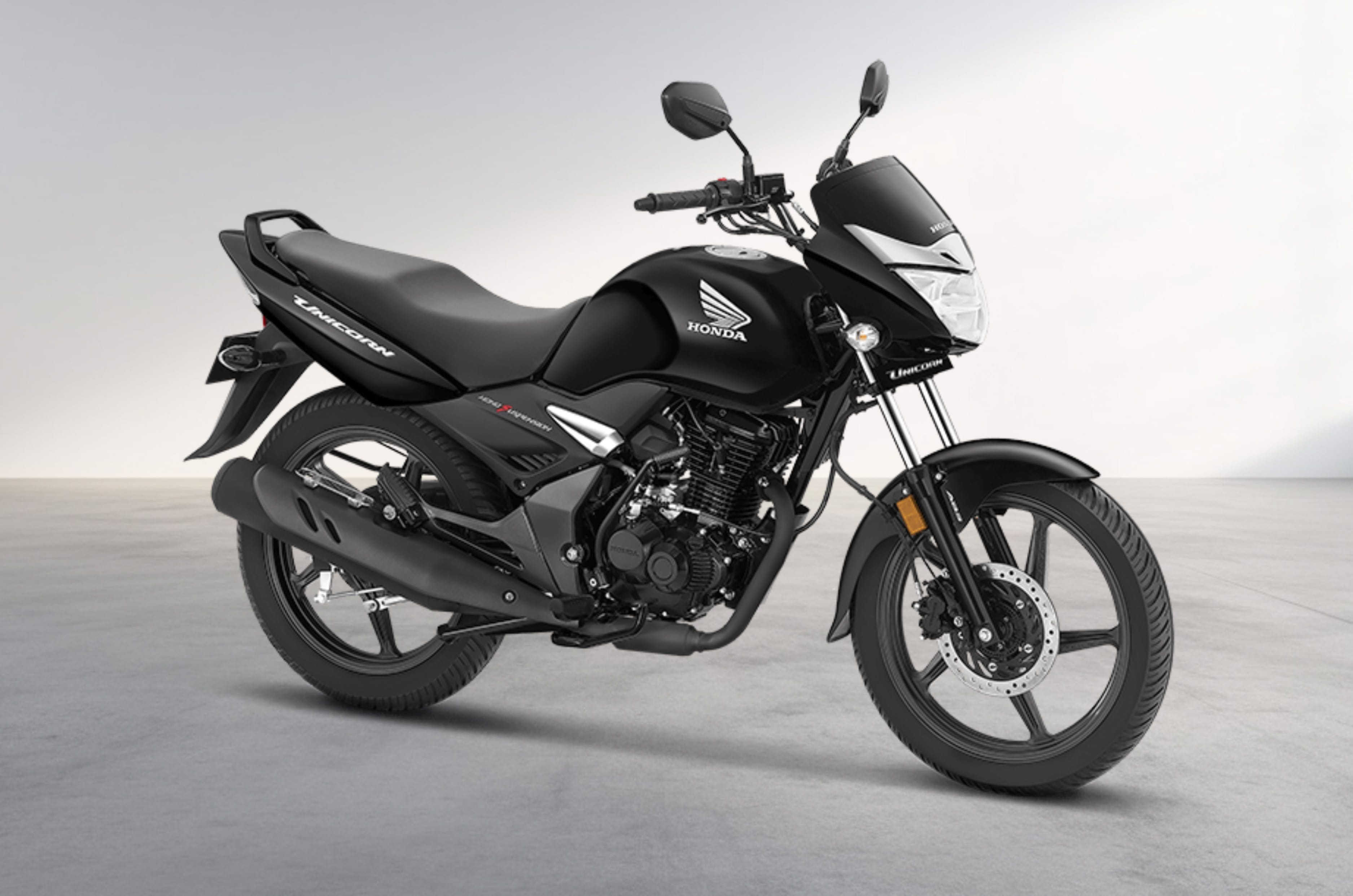
The Unicorn marked Honda’s early independent push into India’s premium commuter motorcycle segment. Developed specifically for markets like India, the Unicorn came with features such as a diamond-type frame and quickly earned a reputation for refinement and reliability.
The Unicorn also became one of those rare motorcycles that quietly built a cult following without ever trying too hard. Owners often held on to them for years because of the bike’s smooth engine, comfortable ride quality and famously stress-free nature. Even today, many riders still swear by the original Unicorn’s balance of performance and practicality.
The first-generation model featured spoke wheels, kick-start and also a monoshock, which was quite rare for its time.
2001
The year 2001 witnessed the arrival of several important two-wheeler nameplates that continue to remain relevant today. While some transformed the commuter motorcycle segment, others went on to redefine scooters for Indian buyers.
Bajaj Pulsar
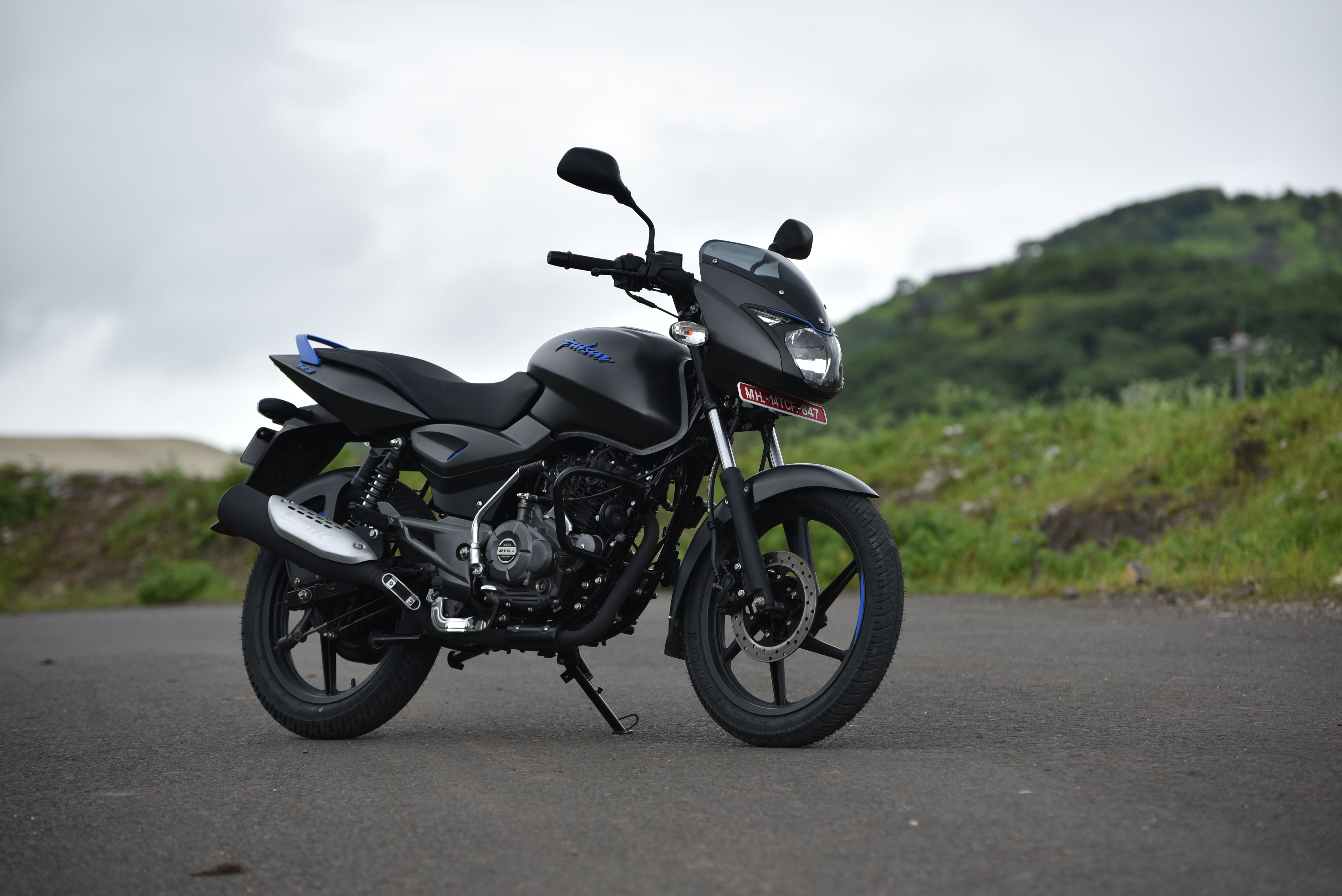
Before the introduction of the Pulsar range, the Indian motorcycle market largely revolved around small-capacity, fuel-efficient commuter motorcycles while affordable sporty motorcycles for the masses virtually did not exist.
The Bajaj Pulsar twins were launched on November 24, 2001 with 150cc and 180cc engines. The first-generation Pulsars used air-cooled, single-cylinder engines producing around 12.1hp and 15.2hp respectively.
Over time, the Pulsar badge evolved into a sub-brand of its own within Bajaj Auto’s portfolio, today spanning motorcycles ranging from 125cc to 350cc and largely credited for bringing muscle to the masses.
Honda Activa
.jpg)
Launched in April 2001, the Honda Activa fundamentally changed India’s scooter market. At a time when geared scooters were still common, the Activa played a major role in popularising automatic scooters among Indian families and urban commuters.
The Activa’s biggest strength was that it appealed to almost everyone. College students, office-goers, parents and even elderly riders found it approachable and easy to live with. It became less of a scooter and more of a household staple — the kind of two-wheeler every family either owned or does own even today.
Over the years, the Activa range expanded into multiple variants and engine capacities while consistently remaining among the country’s highest-selling two-wheelers.
Hero Passion
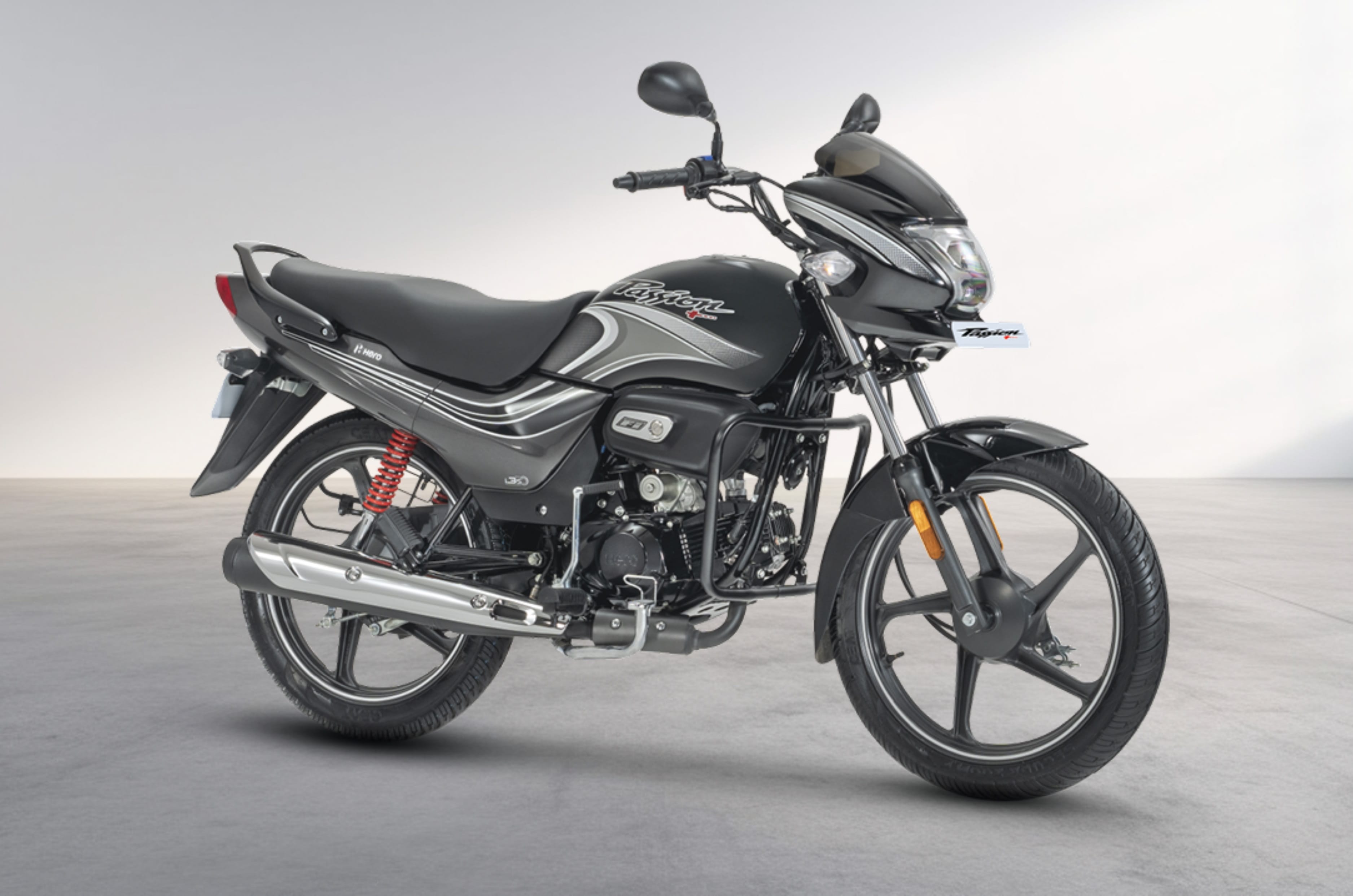
The Hero Passion shared many of its underpinnings with the Splendor but added additional styling elements and premium touches for buyers looking beyond a basic commuter motorcycle.
Over the years, the Passion nameplate evolved through multiple iterations including the Passion Plus, Passion Pro and the current Passion Xtec.
Honda Dio
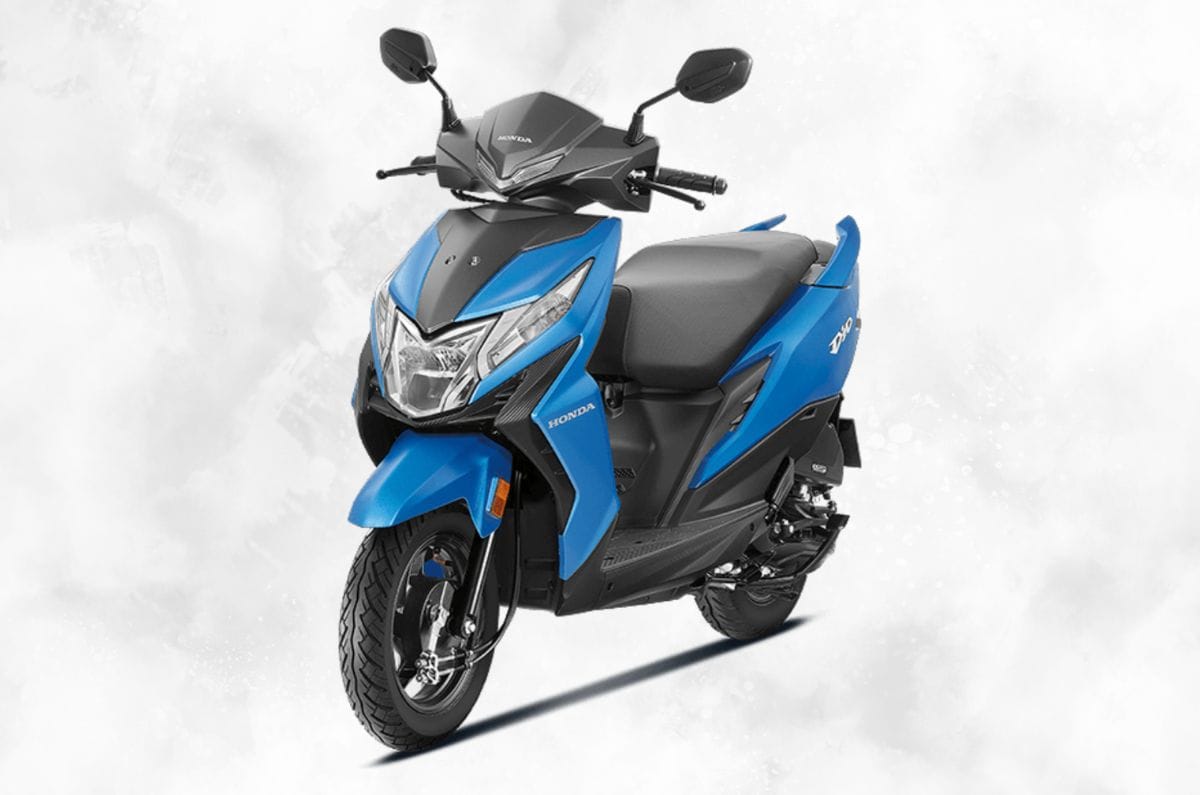
Introduced in 2001, the Honda Dio offered younger buyers a sportier and more youthful alternative to the Activa. While sharing much of its mechanical foundation with Honda’s family scooters, the Dio differentiated itself through sharper styling and brighter colour schemes.
Unlike the more family-oriented Activa, the Dio leaned heavily into its fun side. Loud colours, edgy graphics and a lighter, more playful personality helped it become especially popular among younger riders and college students. Even today, the Dio retains that cheeky character that made it stand out in the first place.
The Dio continues to remain among the strongest-selling scooters in India and is also one of the most affordable Honda product in India.
1994
For the Indian two-wheeler industry, 1994 marked a watershed moment. The sector emerged from the early-1990s slowdown and entered a phase of rapid expansion, fuelled by post-1991 economic reforms, easier access to consumer financing and rising rural demand. The year also signalled a decisive shift towards geared motorcycles, in the zeal for better fuel economy, which would go on to dominate the decade.
Hero Splendor
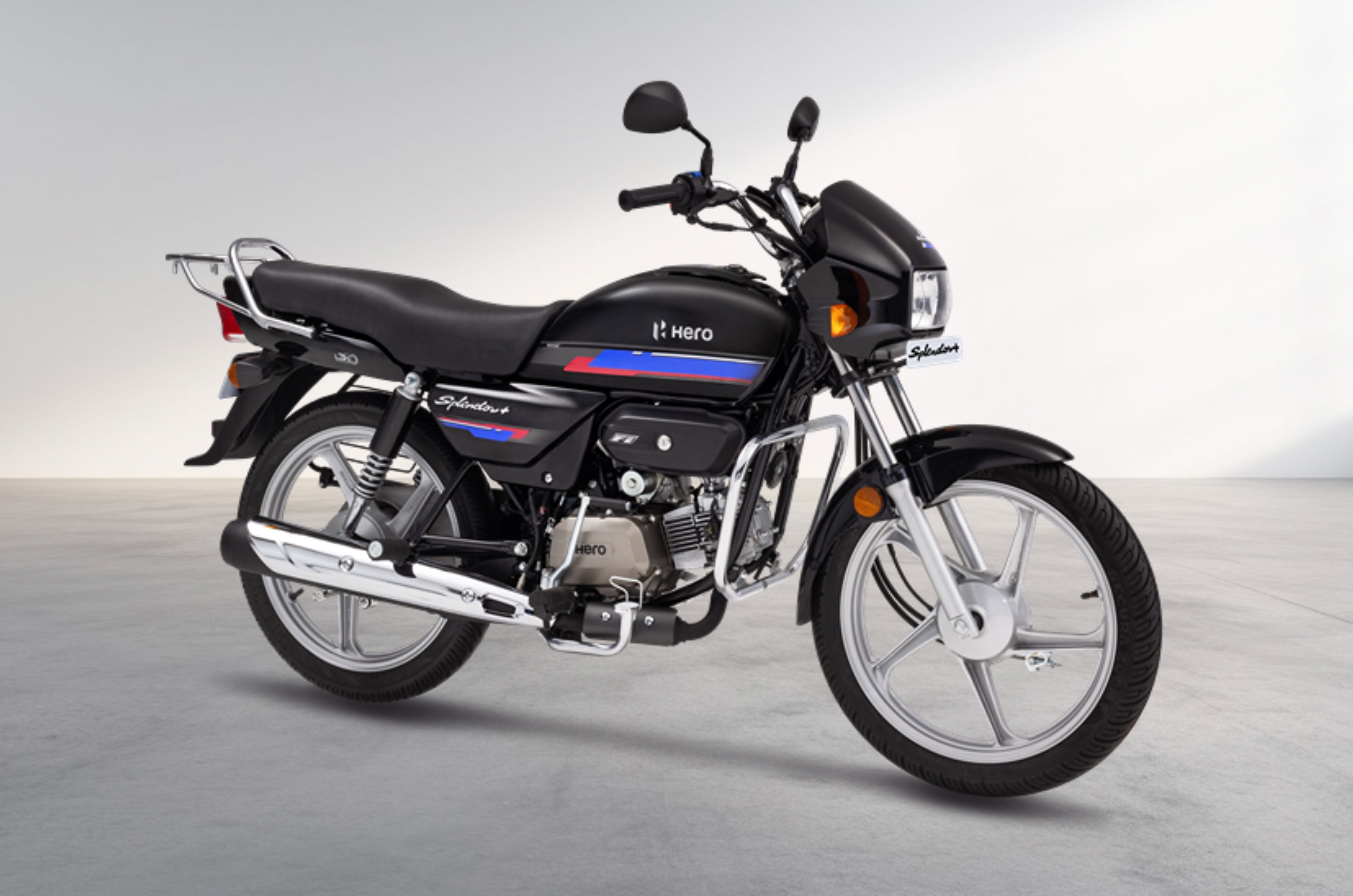
Introduced in 1994 under the Hero Honda partnership, the Splendor was developed as a successor to the CD100. Its 97.2cc engine was derived from Honda’s proven four-stroke commuter motorcycle architecture, prioritising fuel efficiency, reliability and ease of maintenance over outright performance. Those attributes would go on to define the Splendor’s identity and help it become one of the world’s highest-selling motorcycle nameplates.
Over the years, the motorcycle evolved through multiple generations and variants, but it has remained largely faithful to the simple and dependable formula that made it a household name across India.
1980
TVS XL
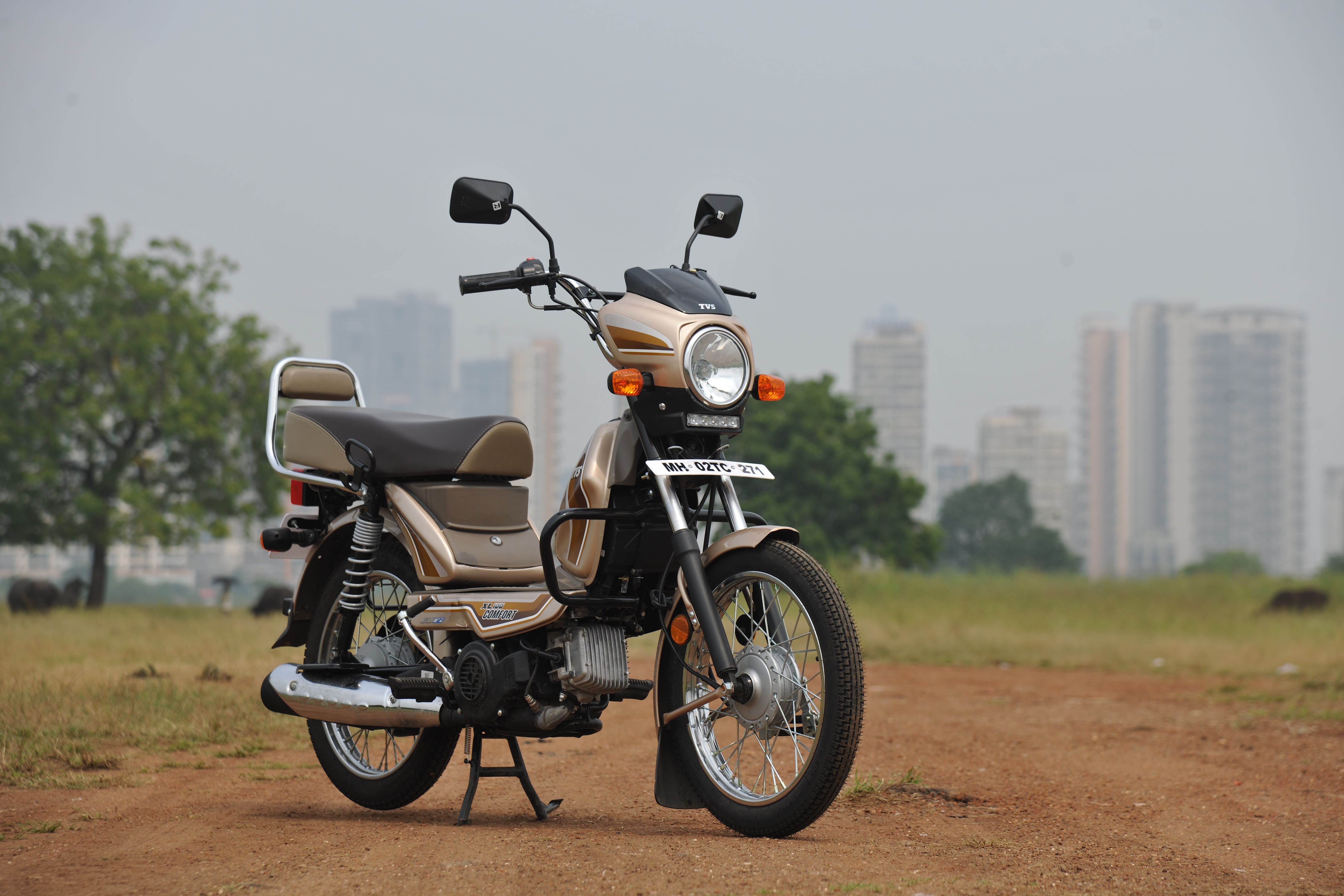
Originally launched as the TVS 50 in 1980, the TVS XL went on to become one of India’s most recognisable mopeds, particularly in rural and semi-urban markets. Known for its simplicity, durability and load-carrying capability, the XL evolved over the years while retaining its utilitarian character, and continues to remain on sale today in the form of the XL100.
Its rugged construction, low running costs, excellent fuel economy and practical design helped the XL carve out a niche among small businesses, traders and rural users. While the Indian two-wheeler market has largely shifted towards scooters and motorcycles, the XL100 remains one of the only petrol-powered mopeds still in production.
1962
Royal Enfield Bullet
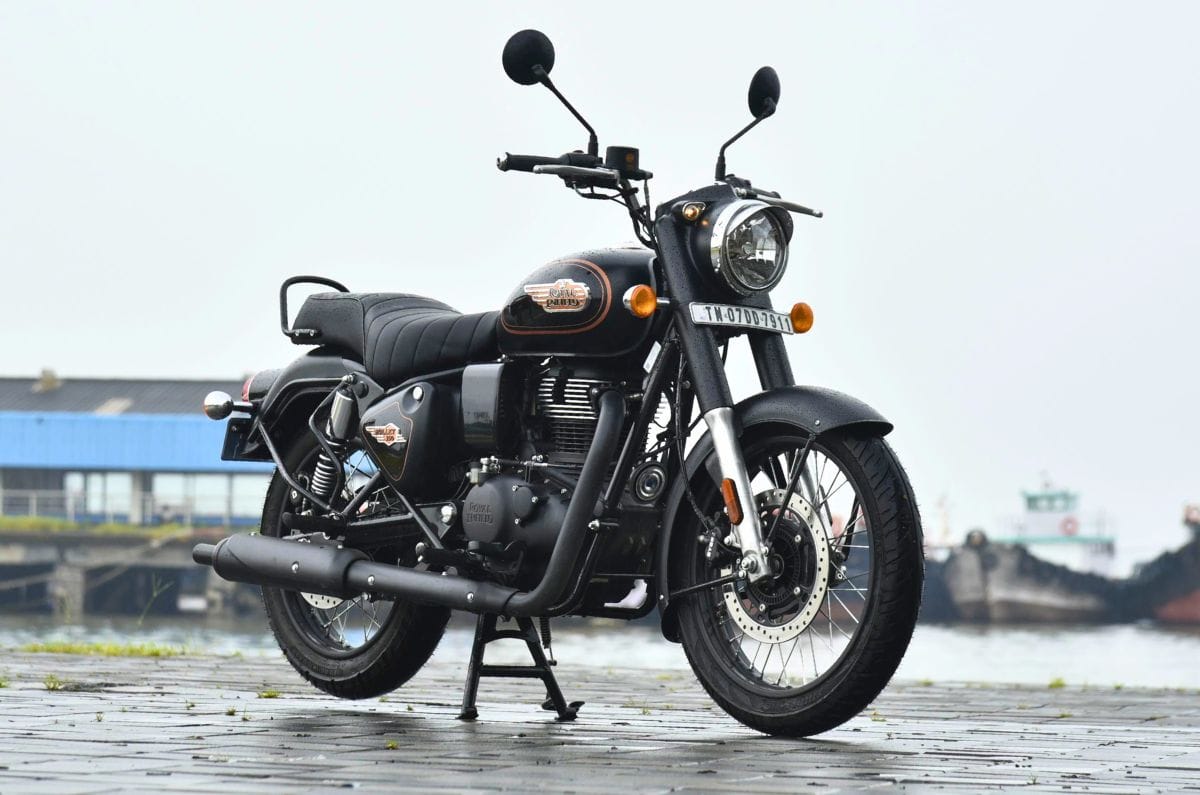
The Royal Enfield Bullet remains the world’s oldest continuously produced motorcycle nameplate, having remained in uninterrupted production since 1932.
The Bullet’s India journey began in the early 1950s when the Indian Army was looking for a rugged motorcycle capable of border patrol duties. The Army eventually ordered 350cc Bullet motorcycles, following which Royal Enfield partnered with Madras Motors in 1955 to form Enfield India for local assembly and later manufacturing in Chennai. By early 1970s, the motorcycle was being fully manufactured in India.
Over the decades, the Bullet evolved from the original cast-iron-engined motorcycle into the modern J-platform-based Bullet 350 sold today. More recently, Royal Enfield expanded the Bullet line-up with the launch of the Bullet 650.
from Autocar India https://ift.tt/reDiMEO


Comments
Post a Comment