2 reasons to buy the Mahindra Bolero, 3 reasons not to
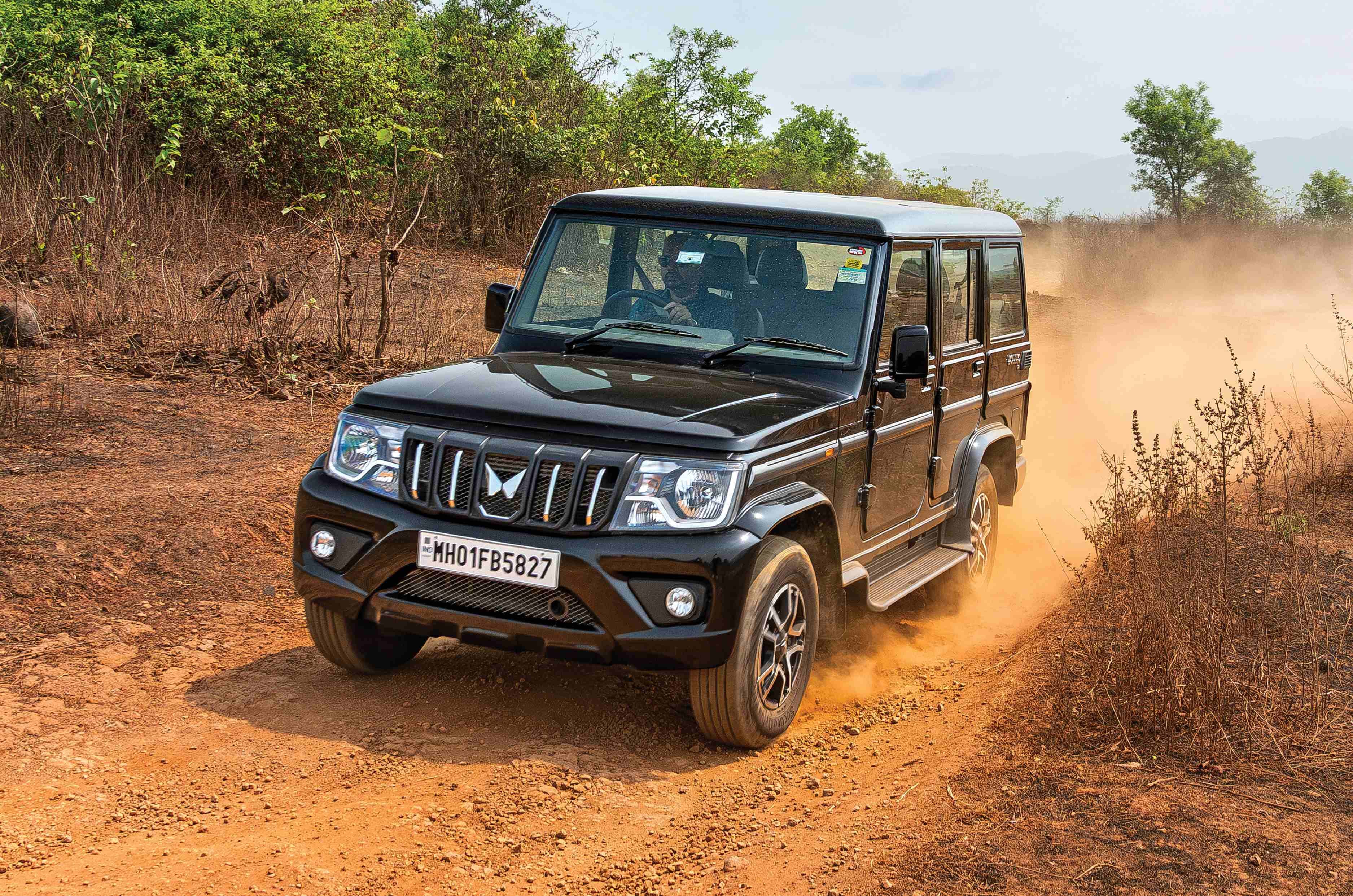
The Mahindra Bolero has been on sale in India since 2000 and has been one of the best-selling SUVs in the country through the years. Mahindra updated it with a facelift in 2025, rendering it with a few design, mechanical and feature updates. We recently got our hands on the 2026 Mahindra Bolero, which we tested to find out what we like about it and what could be improved. Let us start with the positives of the Bolero SUV.
Torquey and modern engine
The engine is refined, and the low-end torque makes city driving a breeze
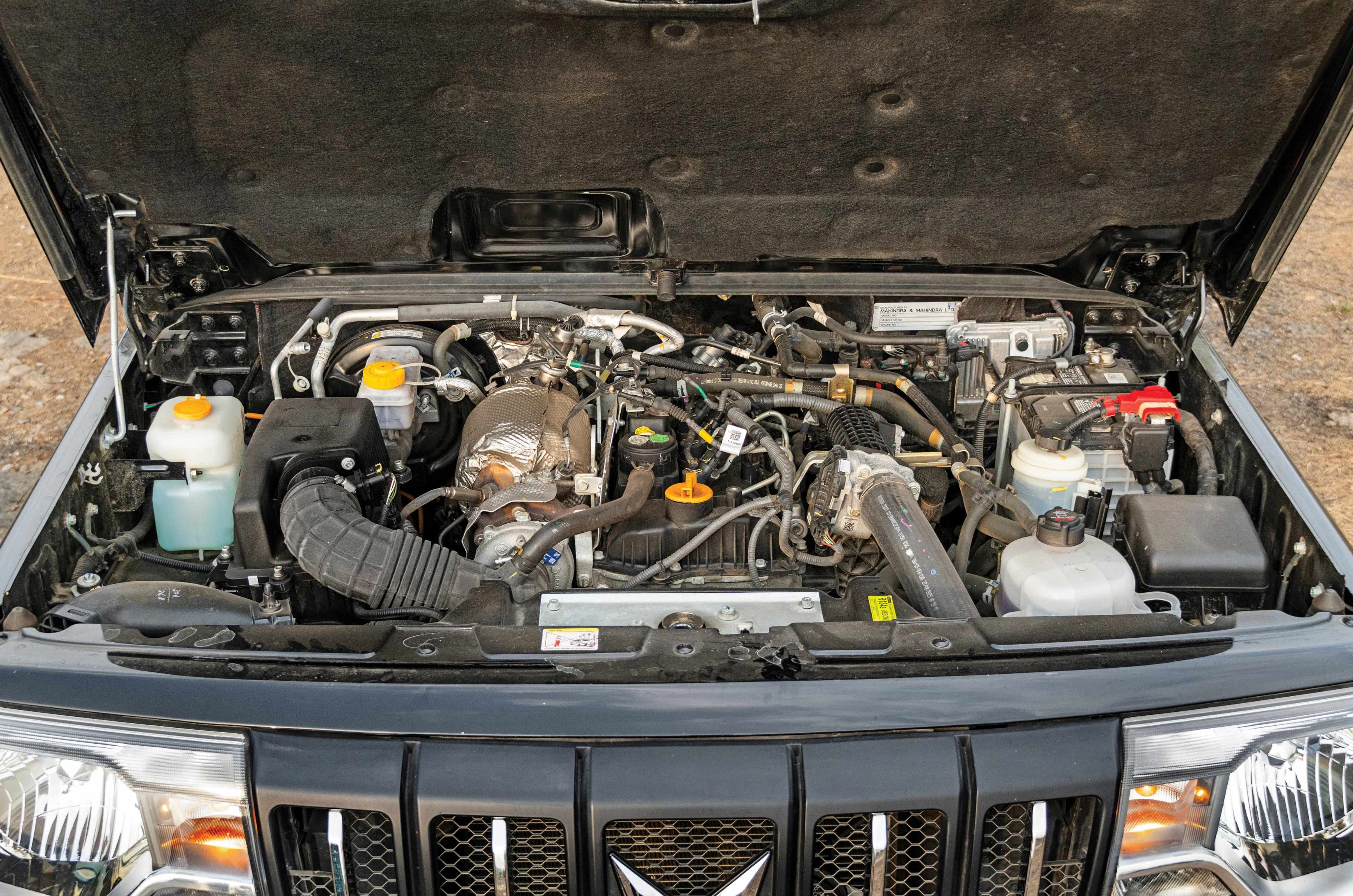
The Mahindra Bolero gets a modern 1.5-litre diesel engine, the same one as the Bolero Neo, but in a lower state of tune. The Bolero’s engine produces 76hp and 210Nm, which is 34hp and 50Nm less than the Bolero Neo's. While the power output is low, the torque is available from as low as 1,600rpm, making the Bolero feel punchier than expected. While this would not translate to outright acceleration, the low-end torque, coupled with minimal turbo lag, helps it weave through city traffic effortlessly. The engine is tractable, allowing the Bolero to start rolling even in second gear, while happily chugging along at higher rpms.
The refinement is decent, and while there is a significant diesel clatter, it is not intrusive up to 2,500rpm. However, pushing the engine beyond 2,500rpm definitely lets a lot of mechanical and wind noise inside the cabin, which is also the case when the SUV is pushed to triple-digit speeds.
Tough build
The ladder-frame chassis and robust suspension setup make the Bolero feel indestructible
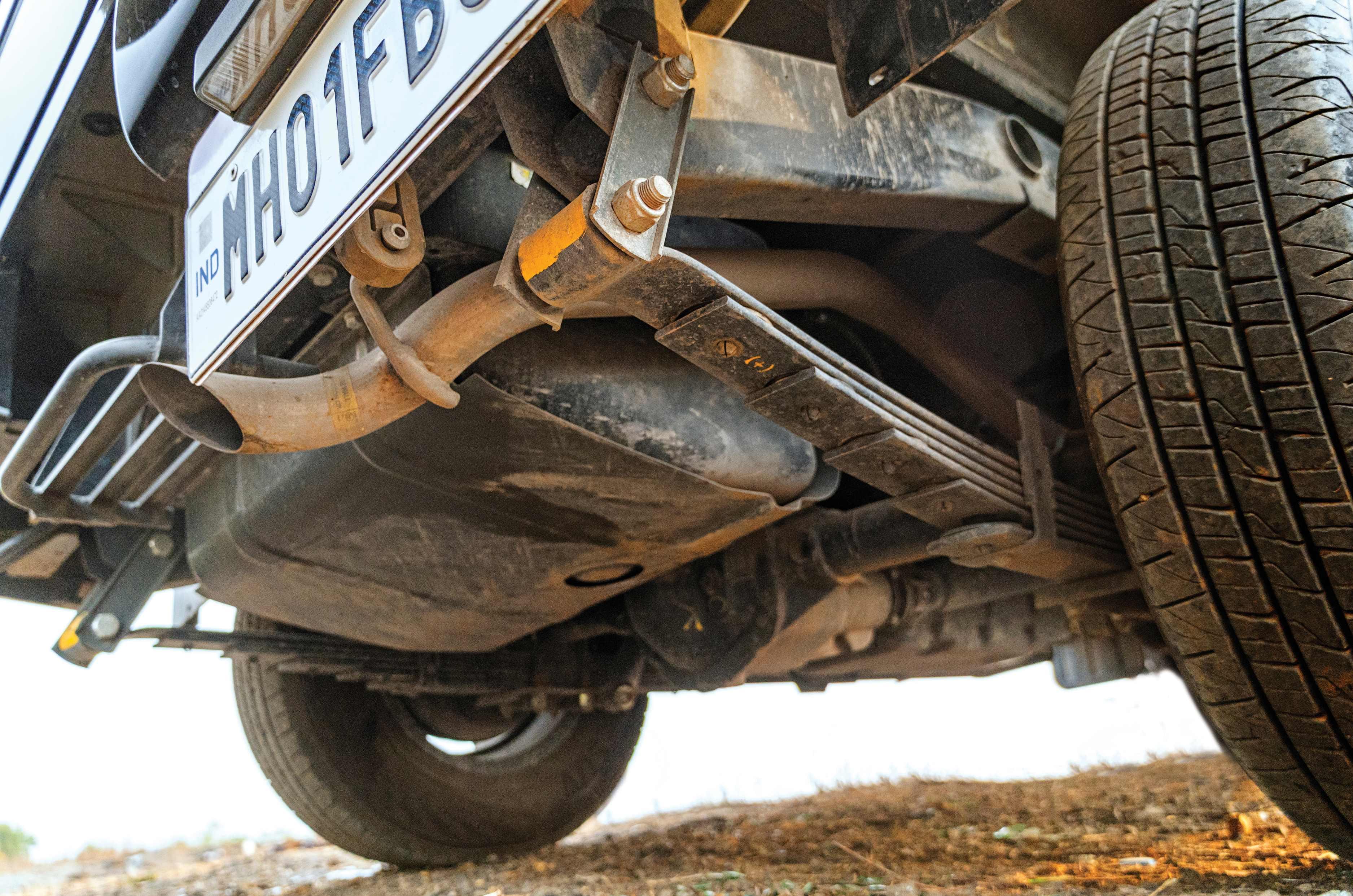
The Bolero carries forward its built-to-last character, which it has always been known for. It sits on a rugged ladder-frame chassis that gracefully takes everything the road throws towards it. With the 2025 update, Mahindra also introduced updates to the suspension system. The independent coil springs and bump stops at the front, and leaf springs at the rear, have been revised for a more comfortable ride. However, they don’t budge from their original indestructible nature, as the Bolero can glide through potholes and dirt tracks at high speeds with relative ease, making the SUV feel like a tank on all sorts of roads, especially the less-than-perfect ones.
Now, let’s take a look at the areas where the Mahindra Bolero could improve.
Bouncy ride
Despite the revised suspension and anti-roll bar, the Bolero still feels unsettled
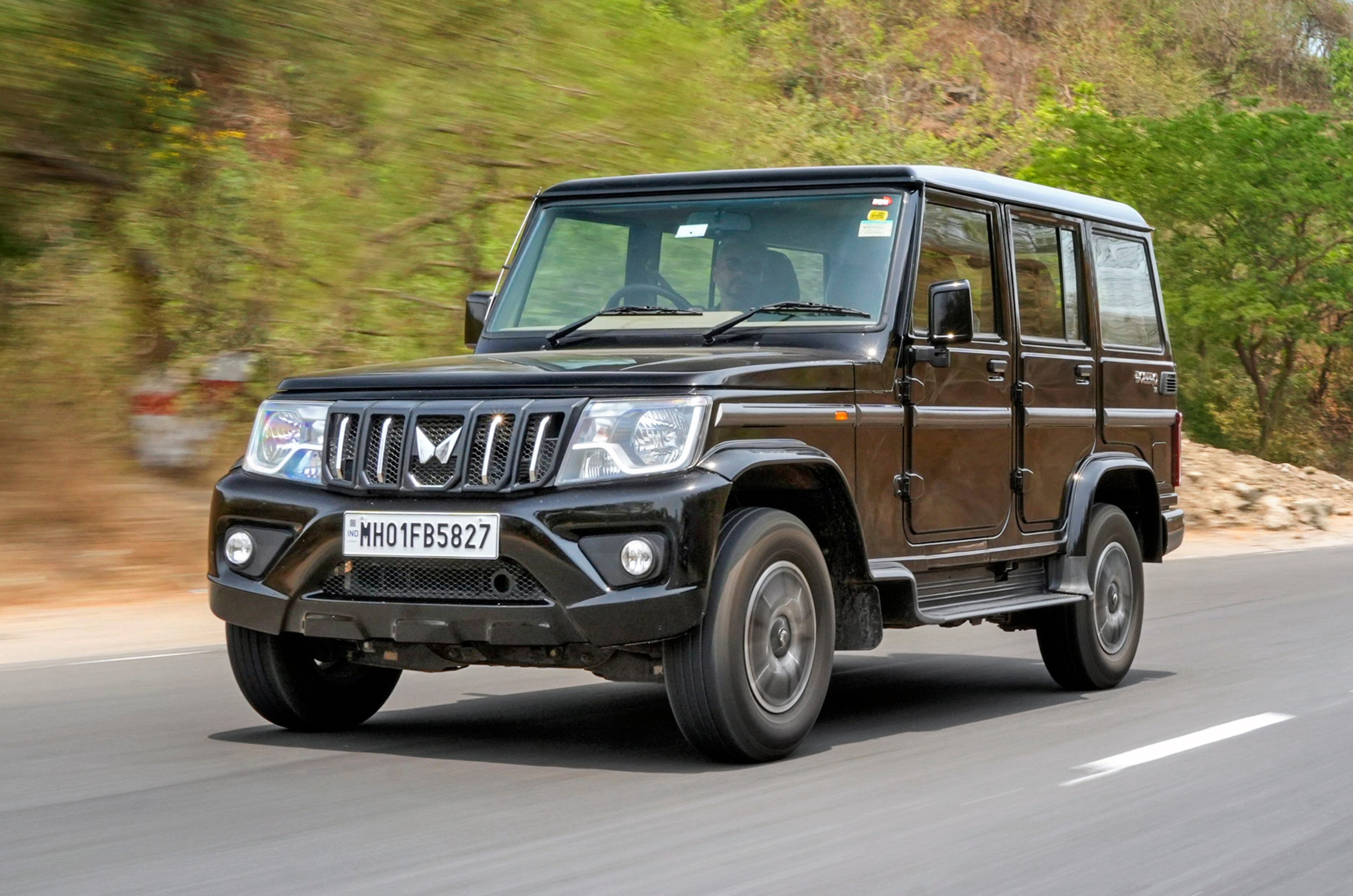
While the revised suspension brings an improvement in ride quality, with leaf springs at the rear, the ride is still far from comfortable. At low speeds, the ride quality is decent, helped by the thick sidewalls of the tyres. However, as the speeds rise, plenty of vertical and horizontal movement can be felt inside the cabin, particularly in the second and third rows. Even though Mahindra says it comes with a revised anti-roll bar, there is a fair bit of body roll through the bends. This could be worse for passengers susceptible to motion sickness, as the SUV does not feel taut even with light turns.
Too many crude bits
The design is utilitarian, and the cabin is inspired by the early 2000s
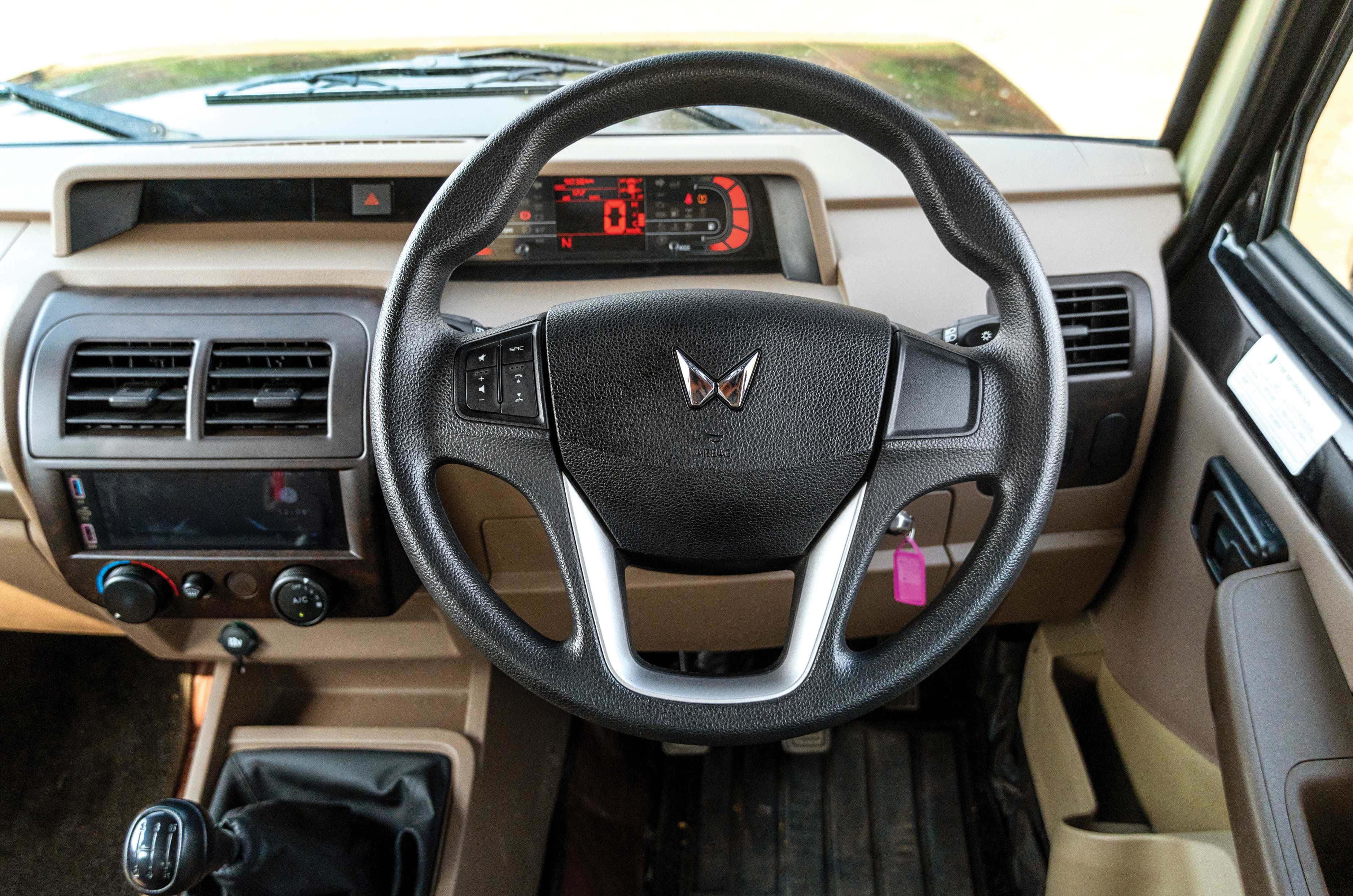
Even after over two decades in India, the Bolero continues with its utilitarian nature, with a beige-and-black dual-tone theme and a basic dashboard design that seems to draw inspiration from the early 2000s. Moreover, the SUV features hard plastics everywhere, all of which have a crude fit and finish. While the seats are comfortable, the ergonomics are not. The pedals are high-set, and the non-adjustable steering wheel results in an awkward driving position that takes some time to get used to. Despite its sub-4m underpinnings, the Bolero still offers a third row with jump seats, which are not recommended for adults or children, not only because of the awkward positioning, but also due to the lack of seat belts.
The feature suite is basic, and the infotainment’s daily usability is hard
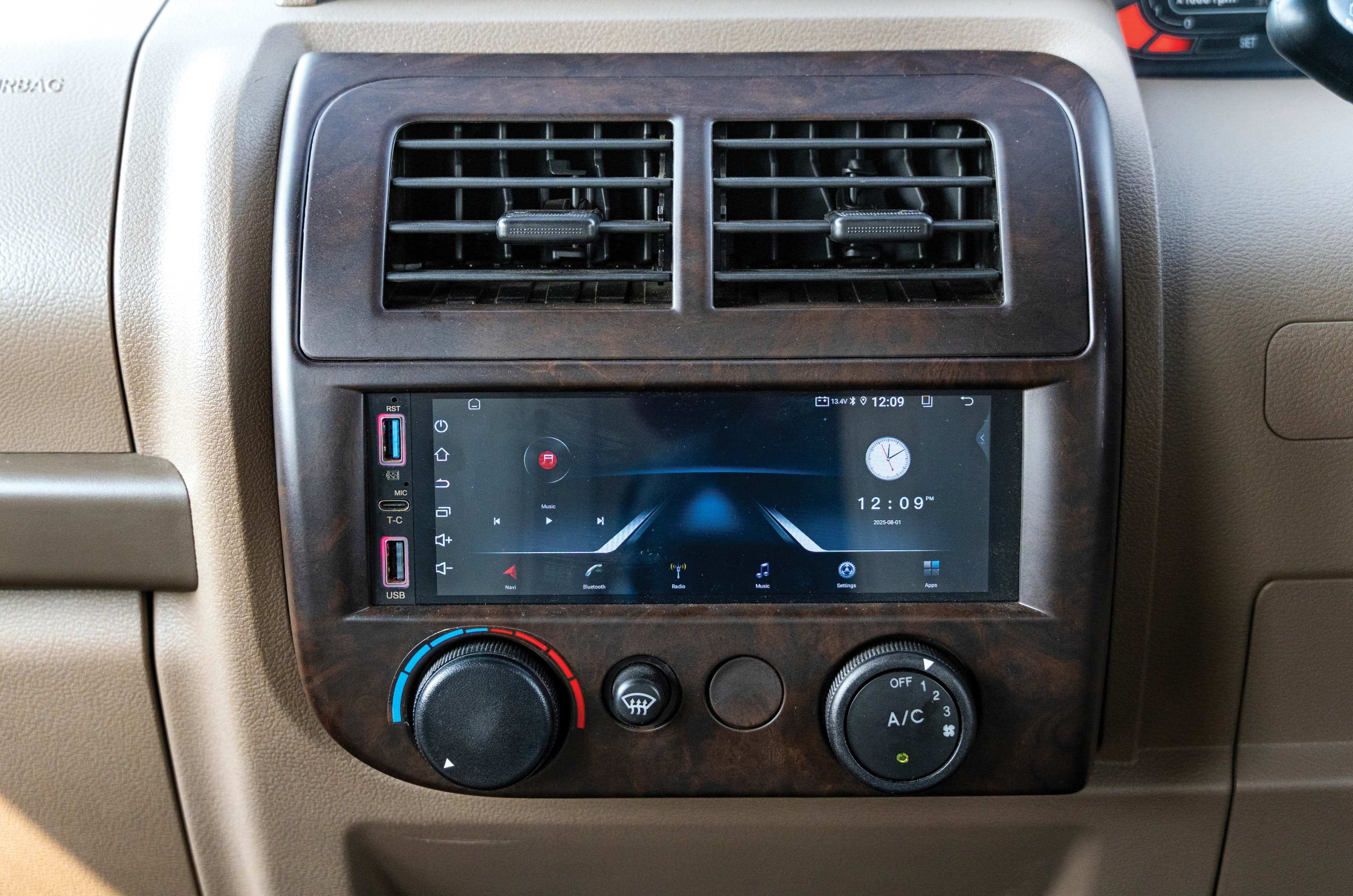
The ‘new’ digital driver’s display also has a retro vibe with essential information such as tyre pressure, gear indicator, fuel economy and distance-to-empty readouts, some of which can malfunction at times. For instance, during our time with the SUV, the TPMS did not show the correct tyre pressure for two of the wheels. The 7-inch infotainment system is a single-DIN unit placed lower on the dashboard, which affects visibility on the move. On paper, it offers Android Auto and Apple CarPlay, but the features are locked behind paywalls. However, the infotainment supports phone mirroring, which can display maps only when the phone’s screen is active and set to landscape orientation.
Compromises on safety
Not just features, but the Bolero also cuts corners on the safety front
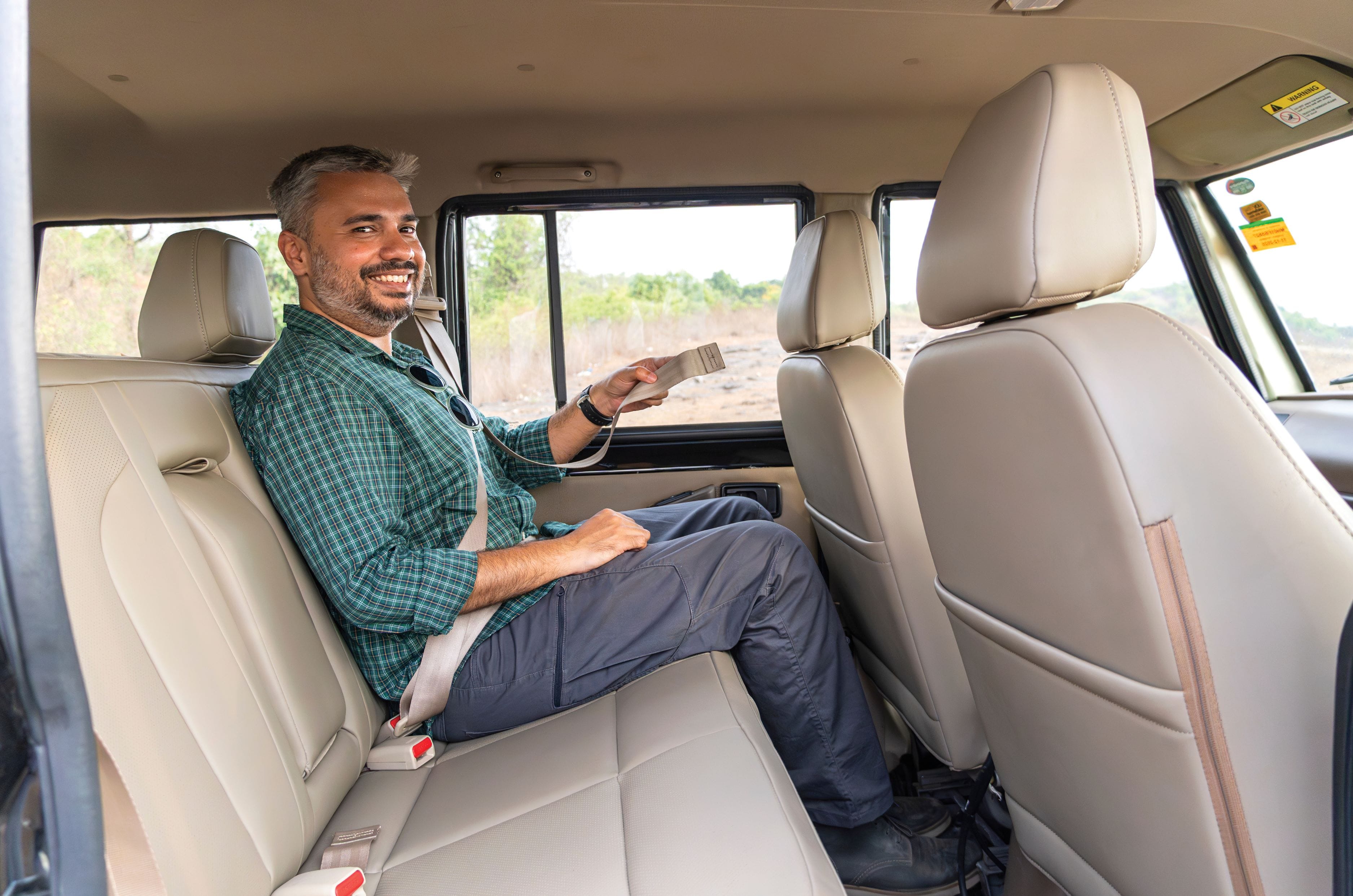
A lack of seat belts on the rear row is not the only safety issue with the Bolero. The middle-row seat belts are not automatically retractable like on aeroplanes, which makes them cumbersome to use as you have to manually pull the straps to tighten or loosen them every time. Other features include a basic two-airbag setup for the front passengers, ABS, EBD, reverse parking sensors, and seatbelt reminders.
from Autocar India https://ift.tt/BQ5f2hy


Comments
Post a Comment