Volkswagen Taigun new vs old: Differences explained
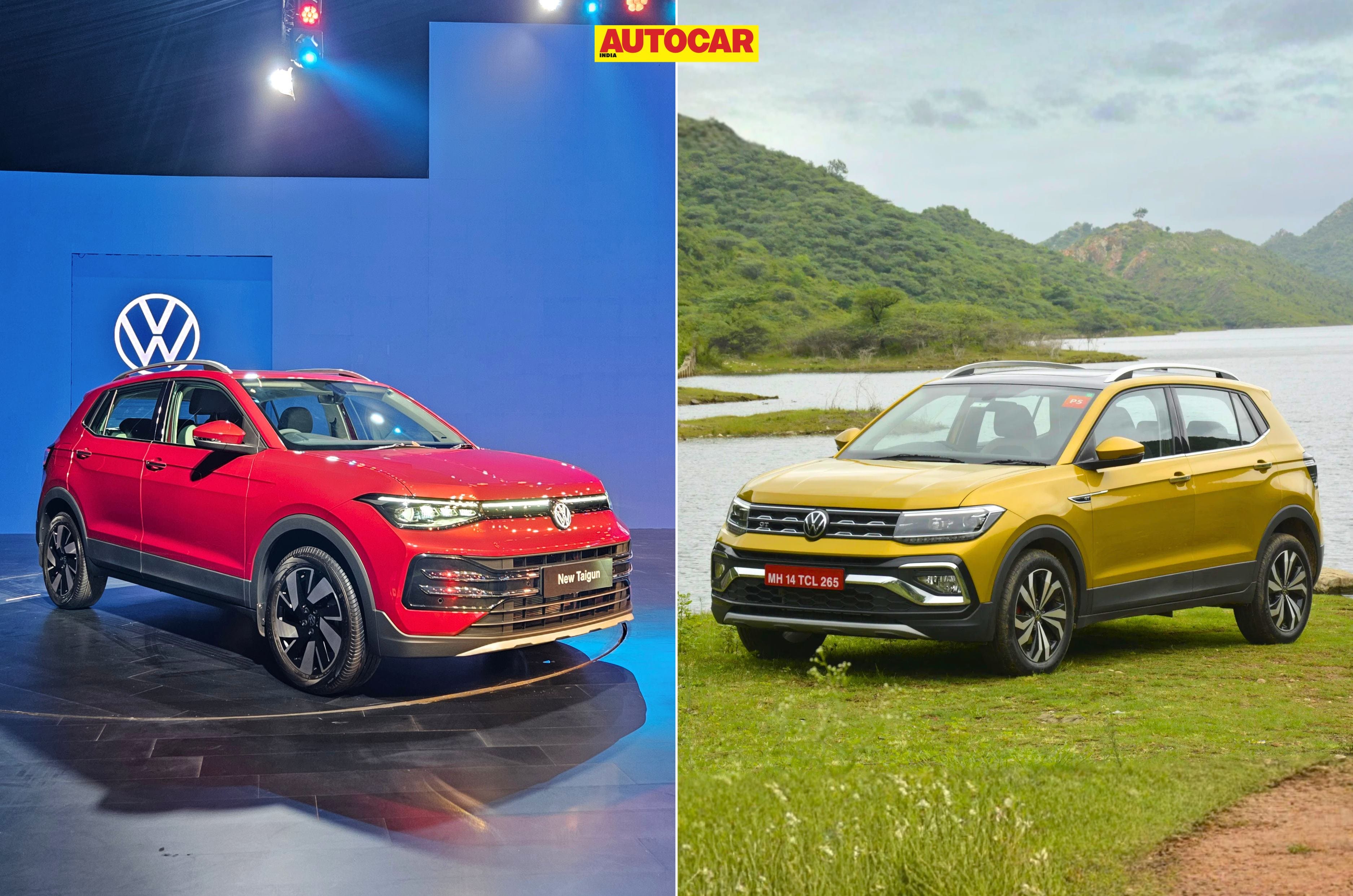
Volkswagen has taken the wraps off the Taigun facelift, updating its bestselling SUV in India with subtle styling tweaks, interior updates and a new automatic gearbox option. Rivals continue to include the Hyundai Creta, Kia Seltos, Maruti Grand Vitara and Victoris, Toyota Hyryder, Honda Elevate and MG Astor, along with newer entrants to the midsize SUV segment like the Renault Duster and Tata Sierra. Prices are expected to be announced soon, and here's how the 2026 Volkswagen Taigun differs from the model it replaces.
Volkswagen Taigun new vs old: Powertrains
The midsize SUV continues to offer choices of 115hp 1-litre turbo-petrol and 150hp 1.5-litre turbo-petrol engines. However, the 1.0 TSI replaces the earlier 6-speed torque converter transmission with a new 8-speed automatic, and due to this, VW claims fuel efficiency has gone up by up to 5.8 percent. Meanwhile, the 1.5 TSI continues to be paired with a 7-speed dual-clutch automatic gearbox.
|
Volkswagen Taigun new vs old claimed mileage comparison (in kpl) |
||
| Engine and gearbox | Pre-facelift | Facelift |
| 1.0 TSI 6MT | 18.1 | 19.98 |
| 1.0 TSI AT | 18.46 (6-speed) | 19.54 (8-speed) |
| 1.5 TSI 7DSG | 19.01 | 18.85 |
Volkswagen Taigun new vs old: Exterior
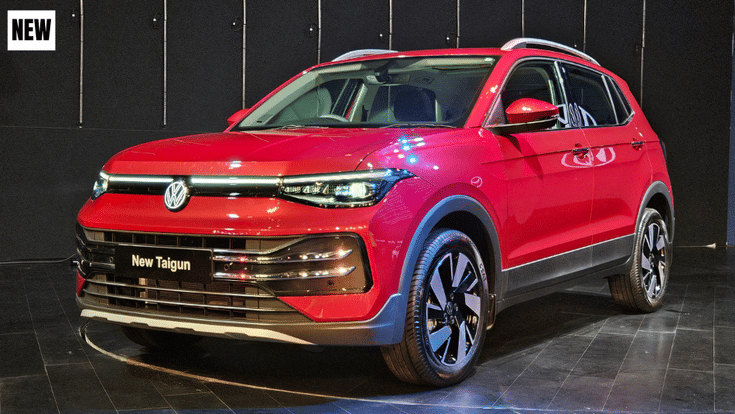
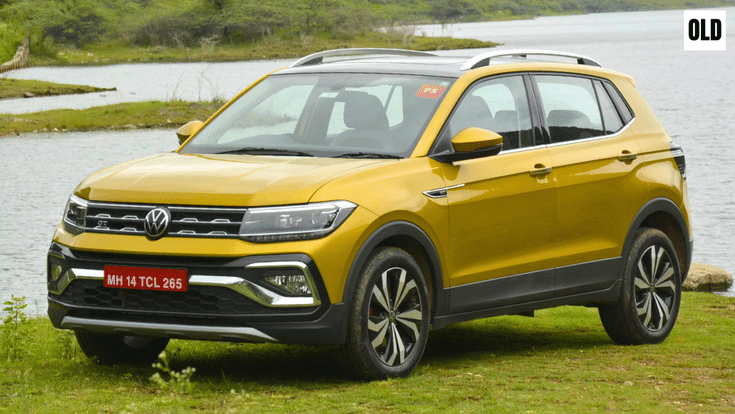
Typical of a facelift, the updated Taigun features tweaks to parts like the headlights and the bumper; interestingly, fog lamps have been dropped on the new model. A slim light bar with an illuminated VW roundel adds a fresh touch, similar to the Tayron R-Line flagship SUV. In profile, changes are minimal, limited to a new design for the 16 and 17-inch alloy wheel options, repositioning of the GT badge from the fenders to the front doors and rear disc brakes with red brake callipers (exclusive to the 1.5 TSI range).
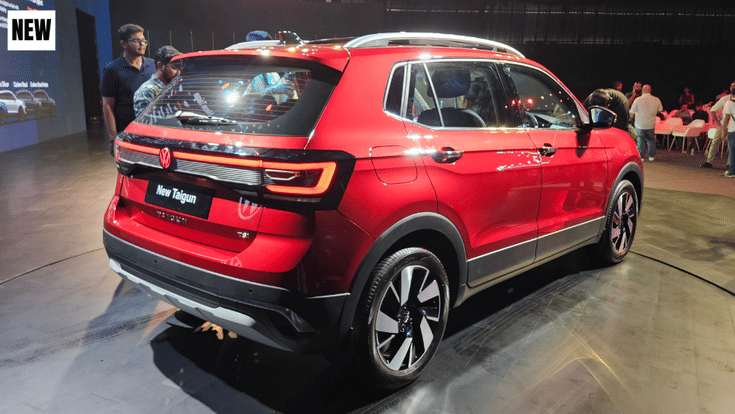
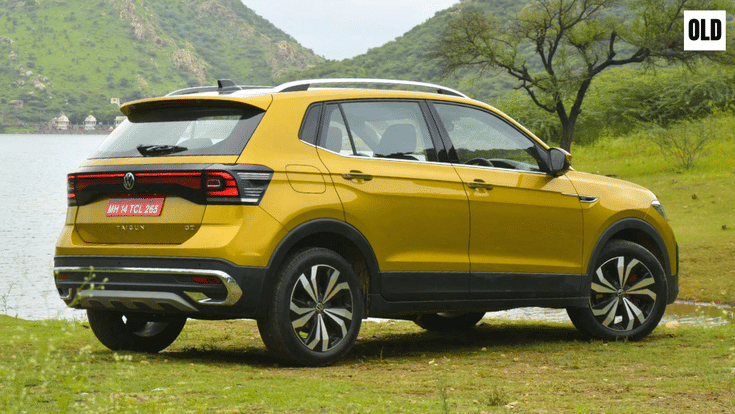
The rear is marked by new tail-lights, sequential turn indicators and a mildly tweaked bumper. Like at the front, a light bar with an illuminated VW logo bridges the LED tail-lamps.
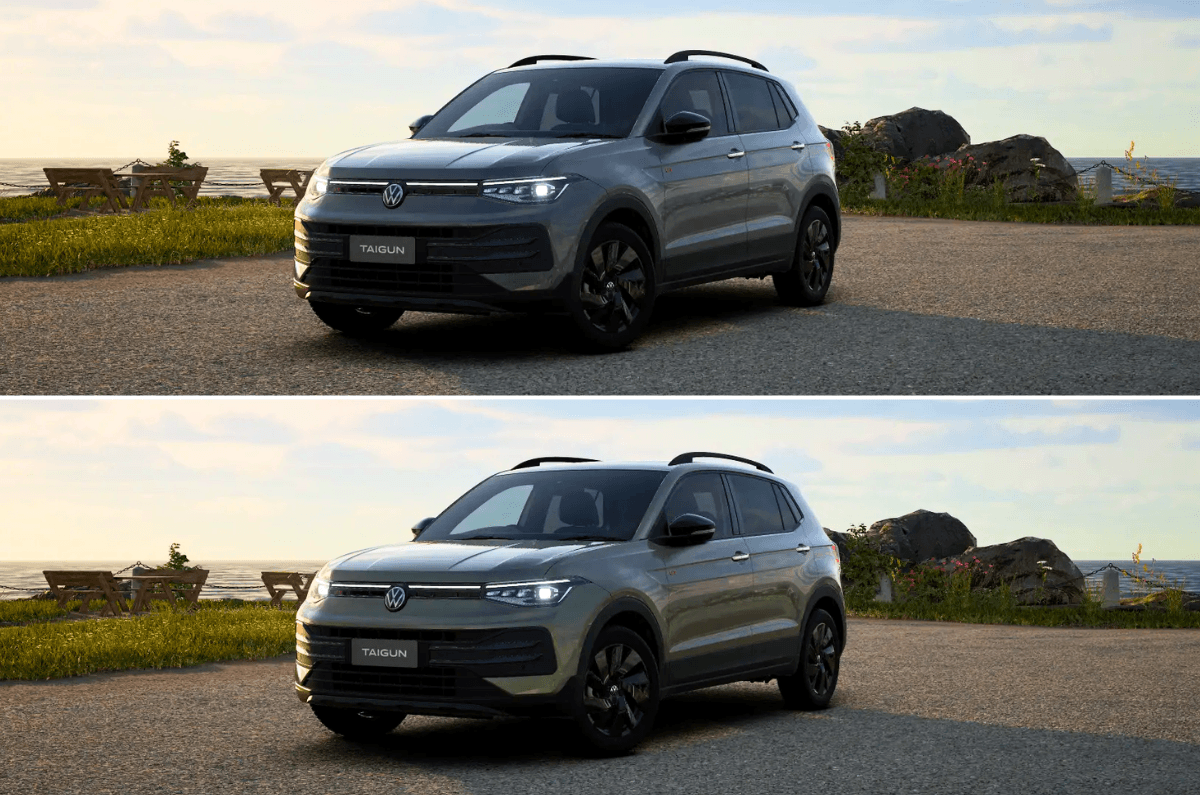
Avocado Pearl and Steel Grey have been added as new exterior colour options. Other shades on offer include Wild Cherry Red, Candy White, Deep Pearl Black, Lava Blue, Reflex Silver, Carbon Steel and Carbon Steel Matte.
Volkswagen Taigun new vs old: Interior and features
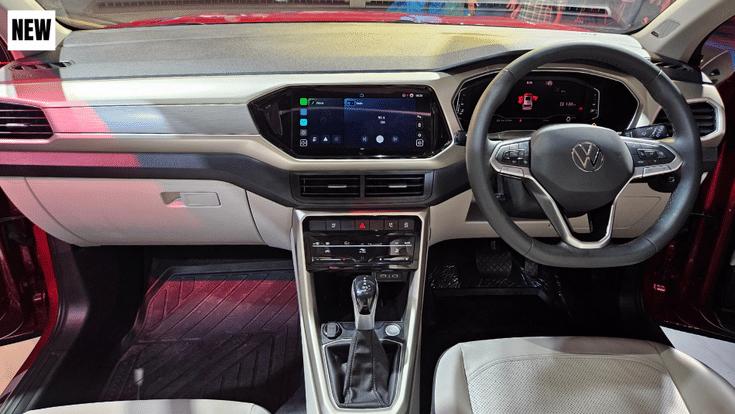
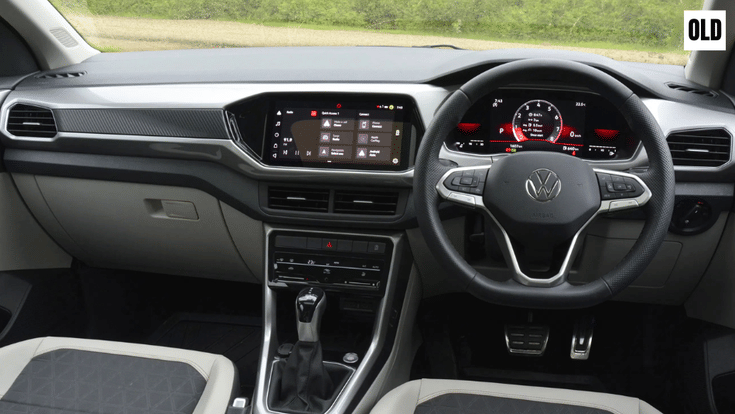
Inside, the Taigun facelift largely retains its dashboard layout but gets updated trims and new two-tone colour options, along with up to six upholstery choices depending on the variant. It features a bigger 10.25-inch digital driver's display with turn-by-turn navigation and an updated 10.1-inch infotainment system with improved graphics and slicker software. The system also supports AI-based features for real-time information, improved voice command controls and hands-free functions. Volkswagen also claims that the AC performance has also been improved with this year's comprehensive update.
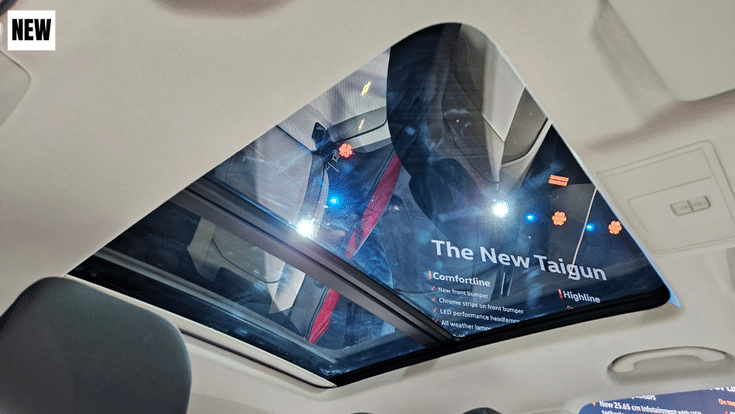
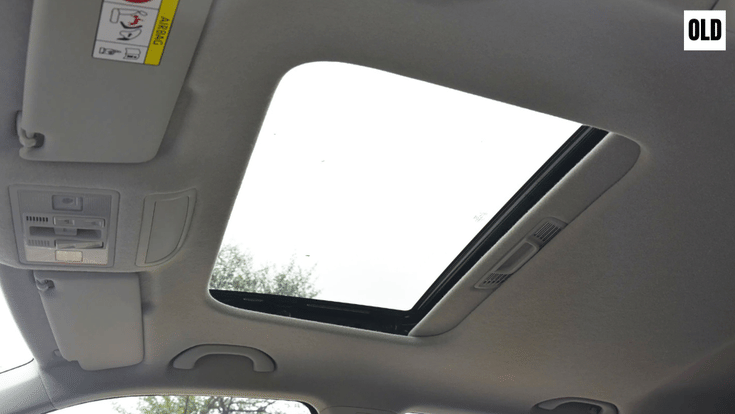
Higher variants now get a panoramic sunroof, while lower trims feature a single-pane unit. Notably, the new Taigun misses out on rear seat massaging, a feature offered on its badge-engineered sibling, the Skoda Kushaq. Other features such as powered and ventilated front seats, Apple CarPlay and Android Auto smartphone connectivity, wireless charging, ambient lighting and rear AC vents continue to be on offer.
Volkswagen Taigun new vs old: Safety
Save for the base model, front parking sensors are offered across variants. Rear windshield washer-wiper and defogger have been standard, and as mentioned earlier, the 1.5 TSI range now gets disc brakes. 6 airbags, ESC, ABS with EBD continue to be standard safety features, and the facelift carries forward the outgoing model's 5-star safety performance at the Global NCAP crash tests. An ADAS suite is not available.
Under its 4ever Care programme, VW is offering a four-year roadside assistance and standard warranty, as well as three free services.
from Autocar India https://ift.tt/c54fdIK


Comments
Post a Comment