We work tirelessly to update you with latest technology, automotive and online gaming related news
DiscoverCars.Com
Ola Roadster X+ road test, review
Get link
Facebook
X
Pinterest
Email
Other Apps
-
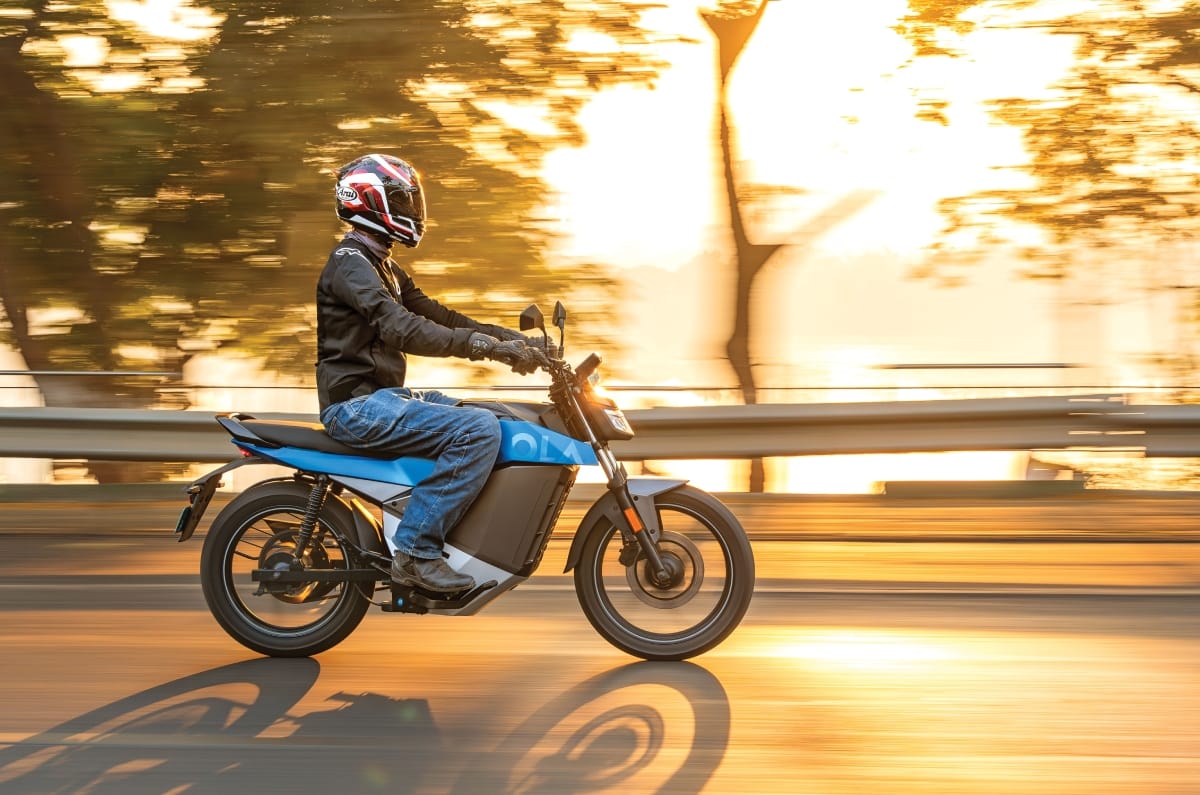
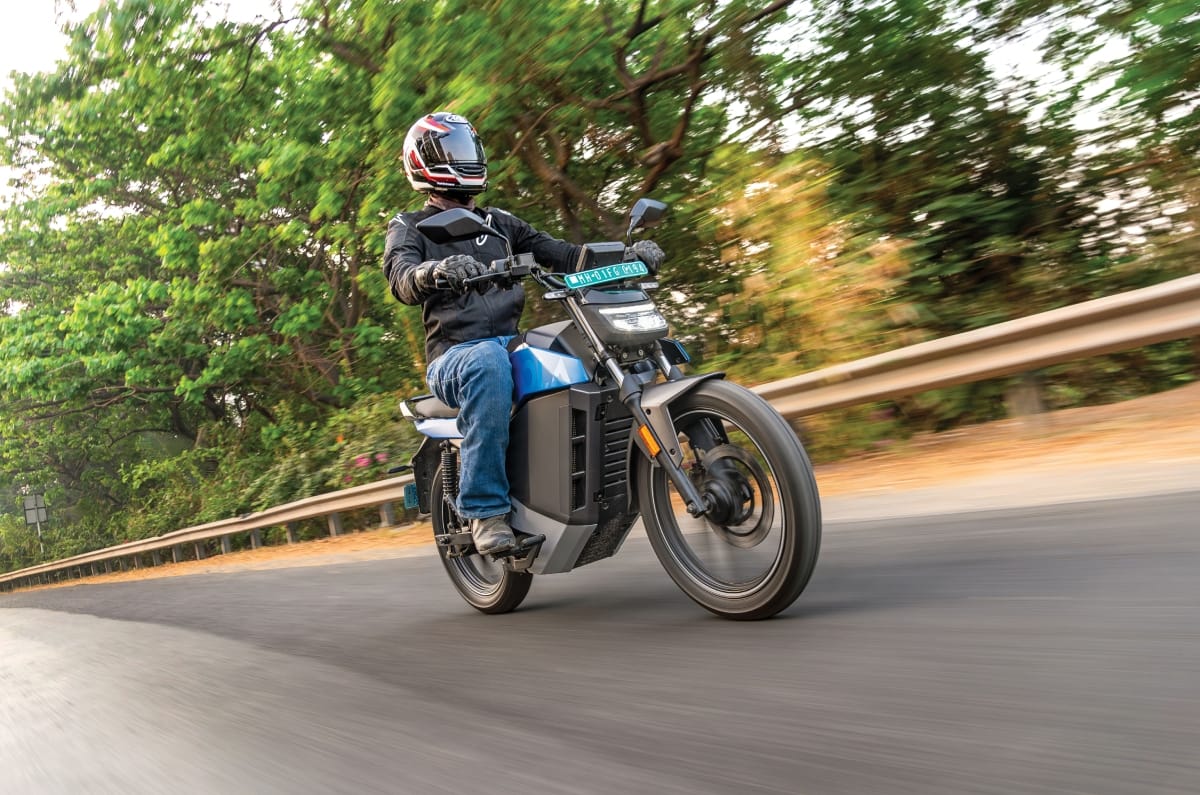
The Ola Roadster is positioned as one of the more performance-focused bikes in the brand’s line-up. For this review, we have the X+ 4.5kWh variant, which gets a 11kW motor and a claimed IDC range of 252km.
Design and Features - 2/10
Inconsistent build quality and poor execution.
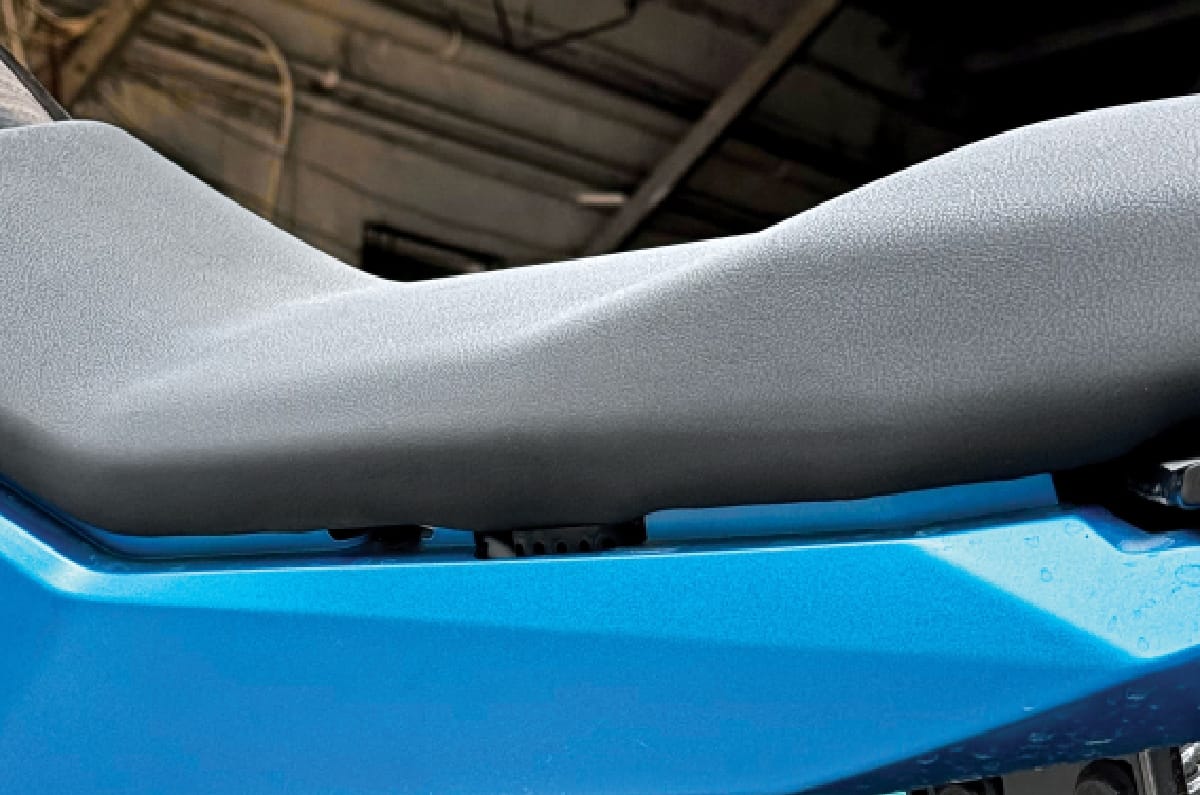
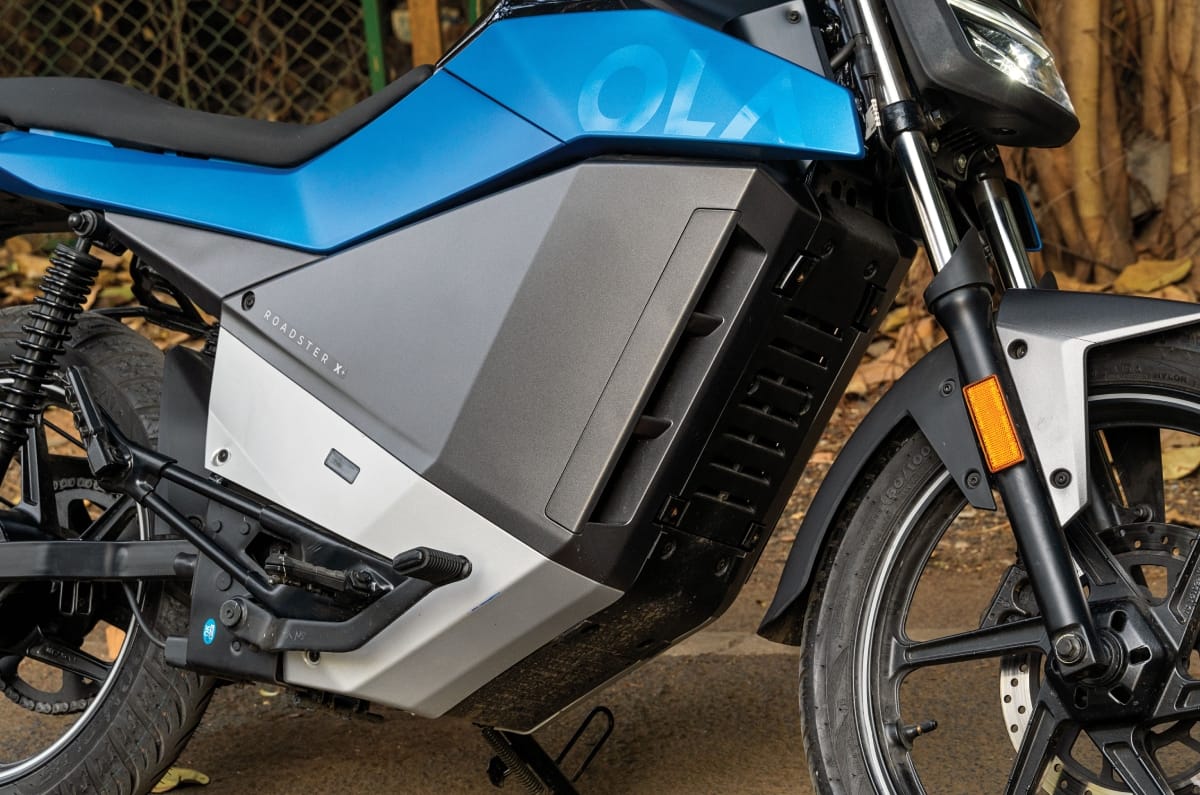
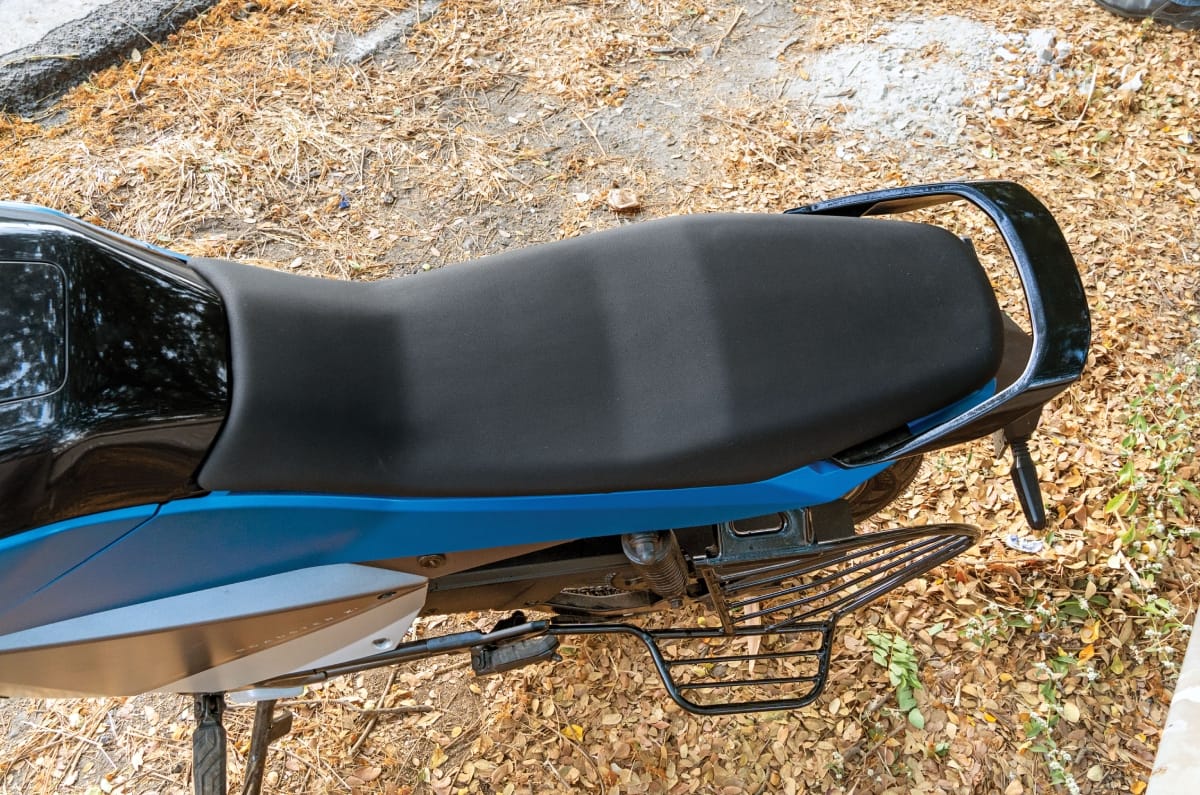
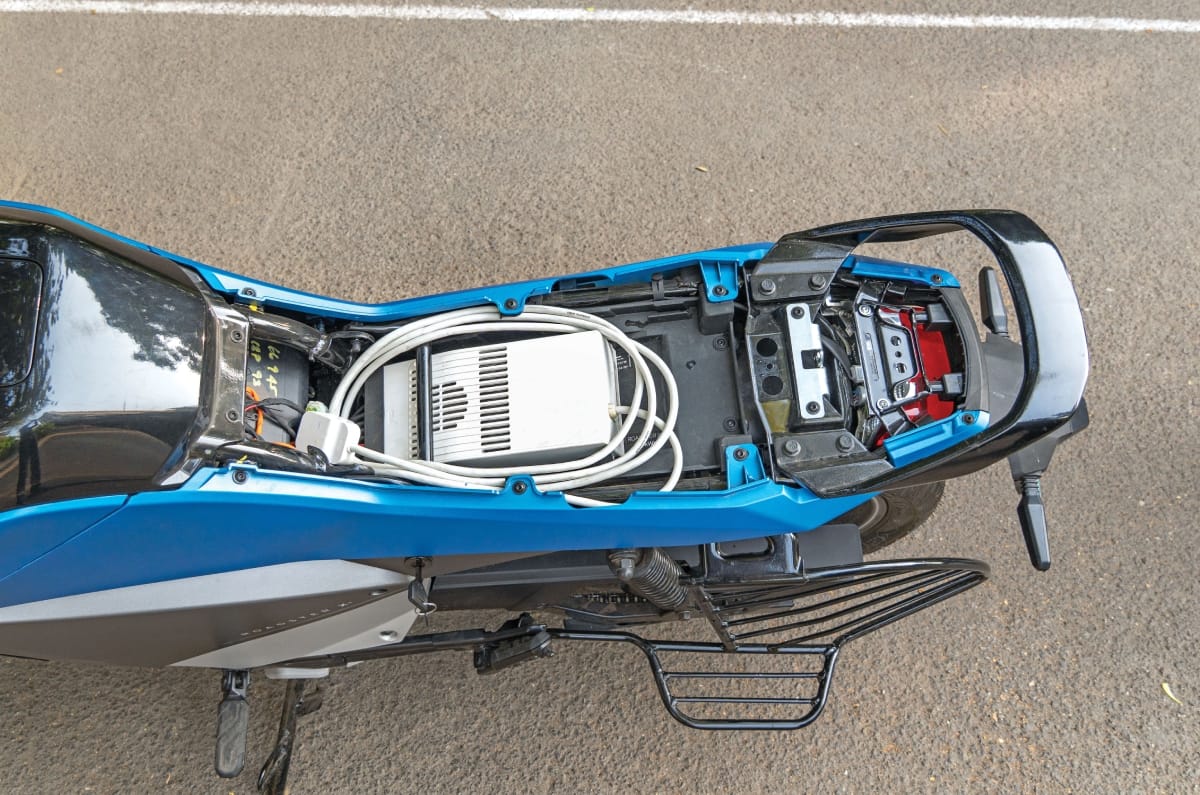
The Roadster has a slim design with sharp panels for a modern look, but the inconsistent build quality is apparent all over. There are uneven panel gaps in several areas, with the largest one sitting under the seat. Additionally, some parts of the bike use very basic-looking bolts that feel out of place on what is supposed to be a modern electric motorcycle. The swingarm is quite skinny for a motorcycle with this level of performance. The flap for the fast-charging port also feels flimsy, and visually, these elements don’t inspire much confidence. The home charger sits neatly under the seat and can be removed to free up 3.7 litres of under-seat storage. However, the large gaps between the seat and bodywork raise concerns about water exposure during heavy rain or while having the bike washed.
Ergonomics are neutral and comfortable for everyday commuting, with an upright handlebar and well placed footpegs keeping your legs comfortable. The seat, however, is a weak point. It is quite narrow, and the foam compresses quickly after about half an hour of riding, making longer stints uncomfortable.
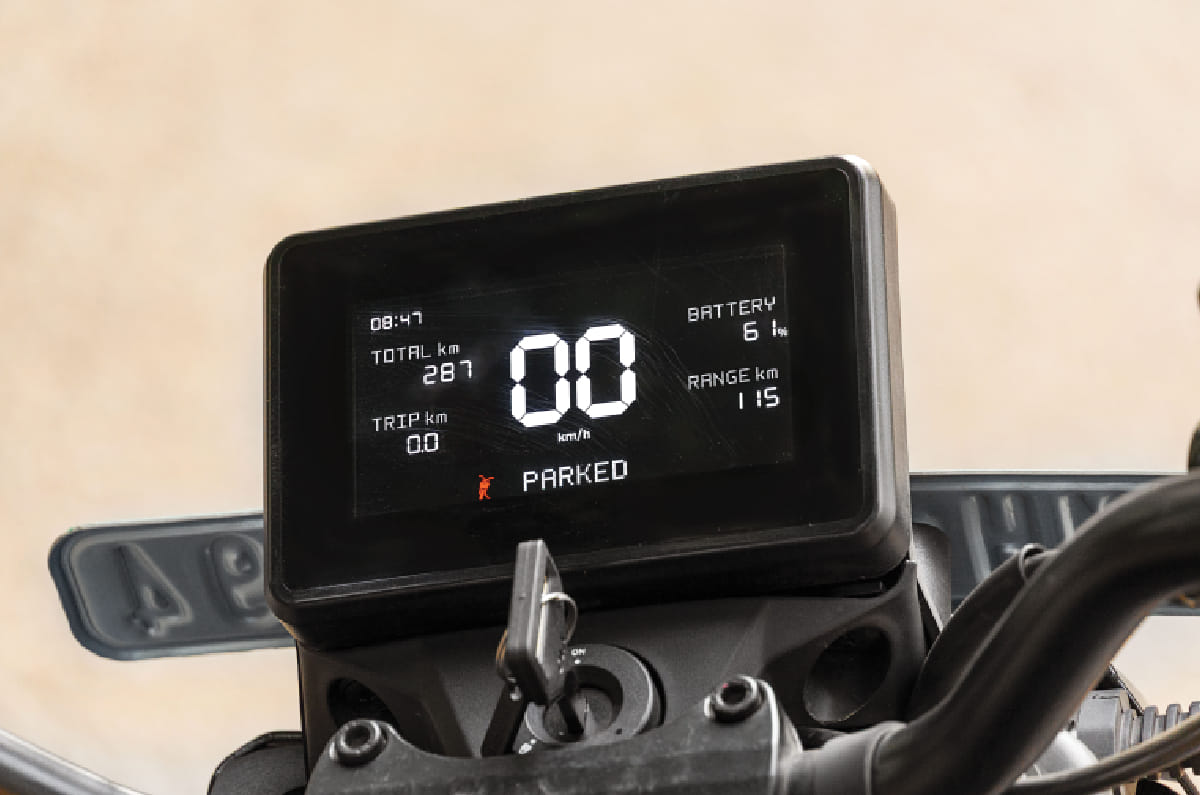
The bike uses a 4.3-inch segmented LCD instrument cluster that feels very simple and dated compared to displays seen on modern EVs. Features include cruise control and a reverse mode. The screen shows basic information, but there are glitches. When fully charged in Eco mode, the riding range appears without the first digit. This is either a software glitch or the display can only show the number 1 in that spot – the moment the range drops below 200, it shows 199, but above 200, it only shows the last two digits. We also noticed that the indicated time displayed for a full charge during charging is quite erratic. Another usability issue is the lack of a clear indication apart from a small light that the bike is ready to ride and that is something that is especially important on a silent electric motorcycle.
Performance and Riding Range - 3/10
Decent real-world range, but performance is highly inconsistent.
The motor itself is noisier than expected, and there are noticeable vibrations through the footpegs at lower speeds. The bike gets three riding modes, including Eco, Normal and Sport. In Eco mode, it is best suited to back roads and stop-go traffic, with an indicated top speed of 42kph. Normal mode feels more natural for everyday use, with an indicated top speed of around 80kph. Sport mode is the quickest and feels genuinely strong when the battery’s state of charge is high. In our tests, it took 8.67 seconds to reach 80kph. However, there is significant speedo error, and at an indicated 125kph, our Vbox reveals the true speed is actually 109kph.
Tested performance
0-40kph (acceleration)
2.92s
0-60kph (acceleration)
5.00s
0-80kph (acceleration)
8.47s
0-100kph (acceleration)
16.49s
20-50kph (roll-on acceleration)
2.39s
30-70kph (roll-on acceleration)
4.43s
60-0kph (braking, in metres)
6.61s
Acceleration feels heavily inconsistent and varies significantly based on speed and battery charge. Holding a steady throttle is difficult, as the power tends to fluctuate, making it hard to maintain a constant drive, especially at higher speeds. The only reliable way to hold a comfortably steady pace is by using cruise control. Another unnerving behaviour is that the motor continues to deliver power momentarily even after rolling off the accelerator in Sport mode.
When the battery is full, the bike freewheels with minimal regeneration, and the throttle response feels predictable. However, regeneration begins to appear more abruptly the moment the battery drops below 90 percent, and the riding experience starts to change noticeably. With about 30 percent battery remaining, Sport mode begins to feel similar to how Normal mode did at full charge.
We tested the riding range in Normal mode and achieved a decent 130km. The bike automatically switches to Eco mode at 15 percent charge and shuts down at 1 percent, displaying a battery low warning. While the real-world range is respectable, home charging times are on the longer side and it takes approximately 8 hours to completely charge the 4.5kWh battery. Fast charging is available at certain locations but we found that these chargers are sometimes not operational.
Ride Quality and Handling - 1/10
Feels heavy to steer, doesn’t cope well with bad roads and the brakes can be problematic.
The Roadster gets a telescopic fork, twin rear shocks, and rides on an 18-inch front wheel and a 17-inch rear wheel. Despite its thin appearance, steering at low speeds feels heavy and sluggish, requiring some effort when changing direction. Ride comfort on small bumps is acceptable but bigger bumps at higher speeds result in clunking noises from the front end, and the suspension can bottom out quite abruptly.
Braking performance is fine at lower speeds, but the front brake does not offer strong lever feedback, while the rear brake pedal has excessive travel. Hard braking from higher speeds doesn’t inspire confidence and the stopping distance in our tests from 60kph was longer than most electric scooters.
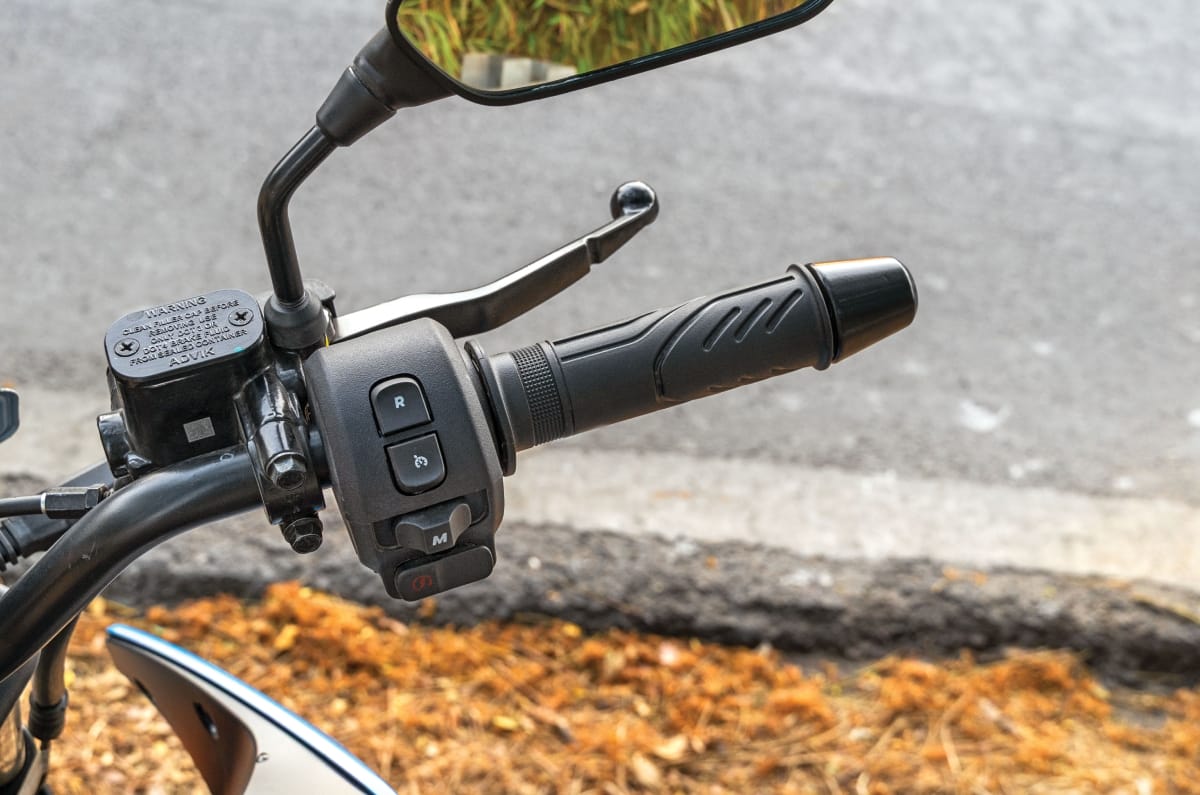
One irritant is that, like on all Ola EVs, touching either brake lever immediately cuts motor input. However, we noticed a potentially dangerous situation would occasionally occur where the motor would not function even after releasing the brake. This occurs when using the rear brake and it seems like the switch can sometimes stick to the on position. In such cases, tapping the rear brake again is required to bring the motor back to life and this behaviour always keeps us on guard while using the rear brake.
Verdict - 2/10
A very disappointing product with some significant flaws and not in line with modern Indian EVs.
Earlier models from Ola Electric had their share of issues, but rarely felt this bad straight out of the box. The two positives here are strong performance in Sport mode with a full battery, and decent real-world range. However, these strengths are overshadowed by poor build quality, erratic performance, braking issues, sluggish dynamics and an overall lack of finesse. In the last four months, the price has fluctuated between Rs 1.30 lakh and Rs 93,256, thanks to frequent large discounts Ola offers to boost sales. While there are few e-motorcycle rivals at the moment, most comparable e-scooters from establised manufacturers offer a far better experience. And that is before you even consider Ola’s abysmal after-sales reputation. As things stand, this is a product that needs more development and we simply cannot recommend it in its current form.
Hyundai has officially revealed the upcoming Exter SUV with bookings open for a token amount of Rs 11,000. The Exter will be available in five trims, with two engines and two gearbox options. Hyundai Exter gets petrol, CNG powertrain options Six monotone and three dual-tone colours on offer Rivals Tata Punch, Citroen C3 in India The Exter gets a 1.2-litre petrol engine along with CNG fuel option. The Exter petrol can be opted with either a five-speed manual or an AMT automatic, while the Exter CNG will be available as manual only. While the power and torque outputs have not been officially announced, we expect the 1.2-litre engine to churn out 83hp and 114Nm of torque, similar to the Grand i10 Nios , the Aura and the Venue . Similarly, the CNG powertrain could produce 69hp and 95.2Nm, similar to its sedan, SUV and hatchback counterparts. Hyundai Exter petrol line-up The Exter will be available in EX, S, SX, SX (O) and the top-spec SX(O) Connect trims. The EX is the on...
Not too long after all-new Maruti Suzuki Dzire was first spied in India, the upcoming compact sedan has been spotted again. This time, the Dzire is winter testing in Himachal Pradesh, and the spy shots reveal that it’ll sport a segment-first at launch – a sunroof. New Maruti Dzire likely to be the most feature-rich compact sedan It’ll share most of its mechanicals with the Swift hatchback Dzire CNG is expected to arrive soon after the standard model 2024 Maruti Dzire interior highlights, features, exterior Until now, we expected the Dzire compact sedan have more or less the same features set as the new and upcoming Swift . The addition of the sunroof will definitely set the Maruti apart in the segment, though whether the new Swift will also receive it is yet unknown. In international right-hand-drive markets, such as the UK and Japan, the new-gen Swift does not get a sunroof. In top-spec form, the Dzire is likely to be the best equipped model in its class thanks to the sunroof...
The new MG 4 hatchback has been revealed by a regulator in China, giving us details of the new-gen EV’s exterior, and some of its specifications. That a new generation comes just two years after the MG 4 was first unveiled is a bit of a surprise, but the hatchback is popular enough in European markets, even if sales in its home market are poor. The outgoing MG 4 was showcased at Auto Expo 2023 , as the electric hatchback was under evaluation for our market. New MG 4 EV is nearly 4.4m long and has a 2.75m long wheelbase Gets 163hp motor with a top speed of 160kph Interior not yet revealed New MG 4 exterior and design New MG 4 larger than Creta or Windsor The new-gen MG 4 is larger than its predecessor, measuring 4,395mm long, 1,842mm wide, and 1,551mm tall, with a wheelbase of 2,750mm. These dimensions make it 108mm longer, 4mm wider, 35mm taller, and have a wheelbase that is 45mm longer. In fact, the new MG 4 is larger than the likes of the Hyundai Creta or the MG Windsor ...


Comments
Post a Comment