Aprilia RS 457 ridden at California Superbike school 2026
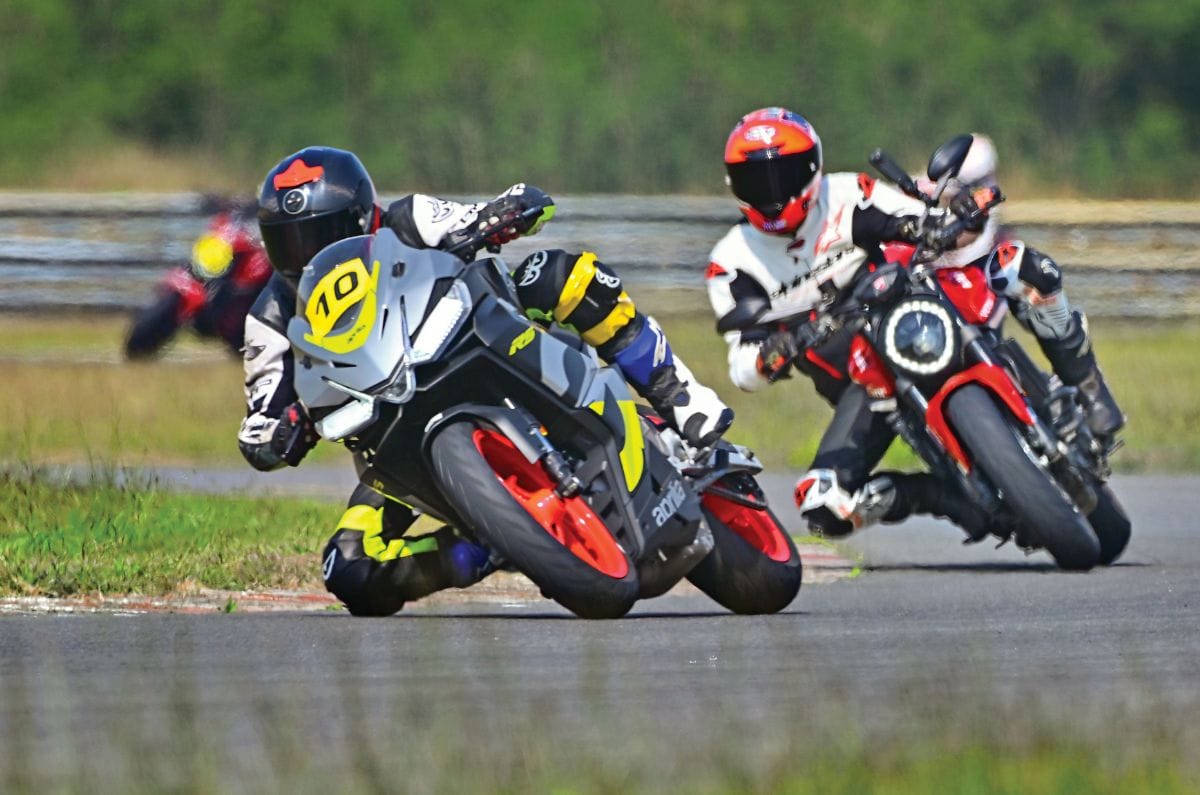
For the third time in my riding career, I found myself back at the California Superbike School, where riders go to truly understand what actually happens between the handlebars and the rear tyre. Only this time, the experience was different. Not because the school had changed, but because I was now attending it as a more evolved rider.
Back in 2019, I got my first taste of riding a motorcycle on a race track at CSS, and since then, the only goal has been learning to be faster, better, and improve my technique. After attending the school twice in the past, I had a good idea of what I would be doing over the next three days; but, this time, things turned out even better as I went with the approach of improving on areas where I knew I was weak and
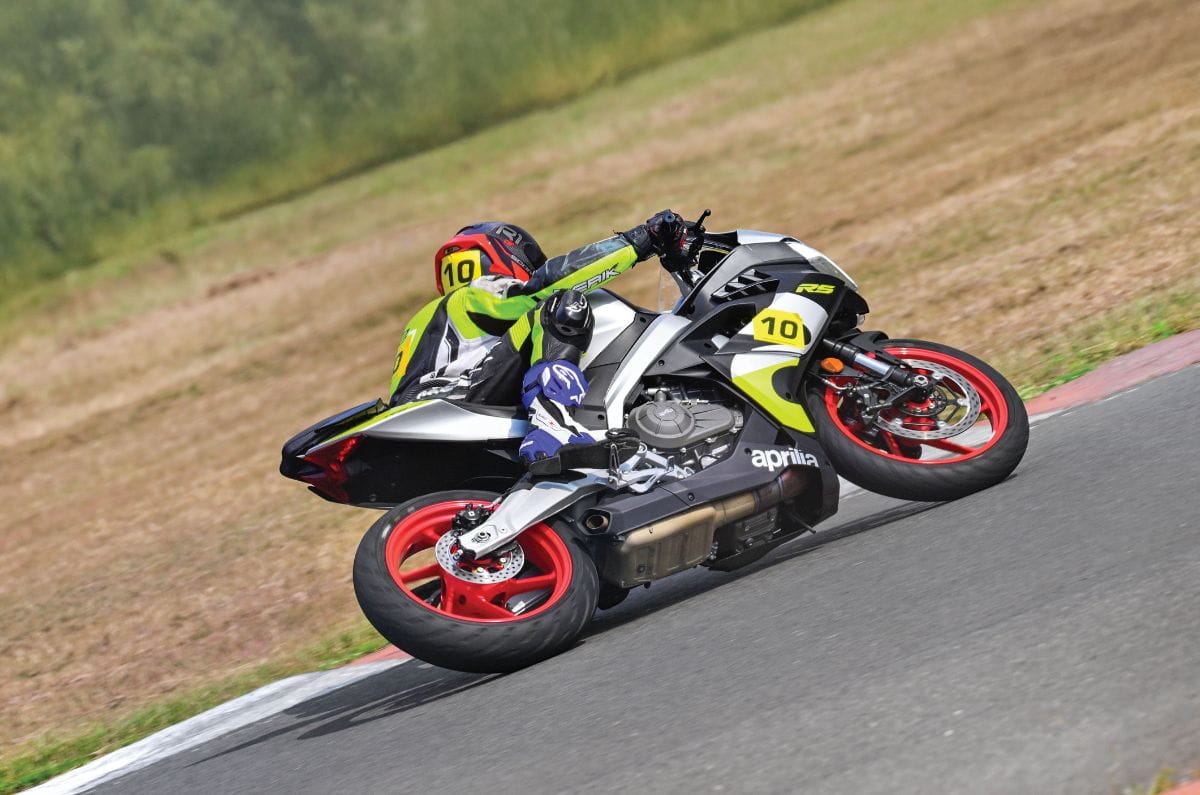
could be better. Considering I have done this in the past on single-cylinder motorcycles, this time around, I wanted a little more firepower, and Aprilia India was kind enough to lend me the RS 457.
The School
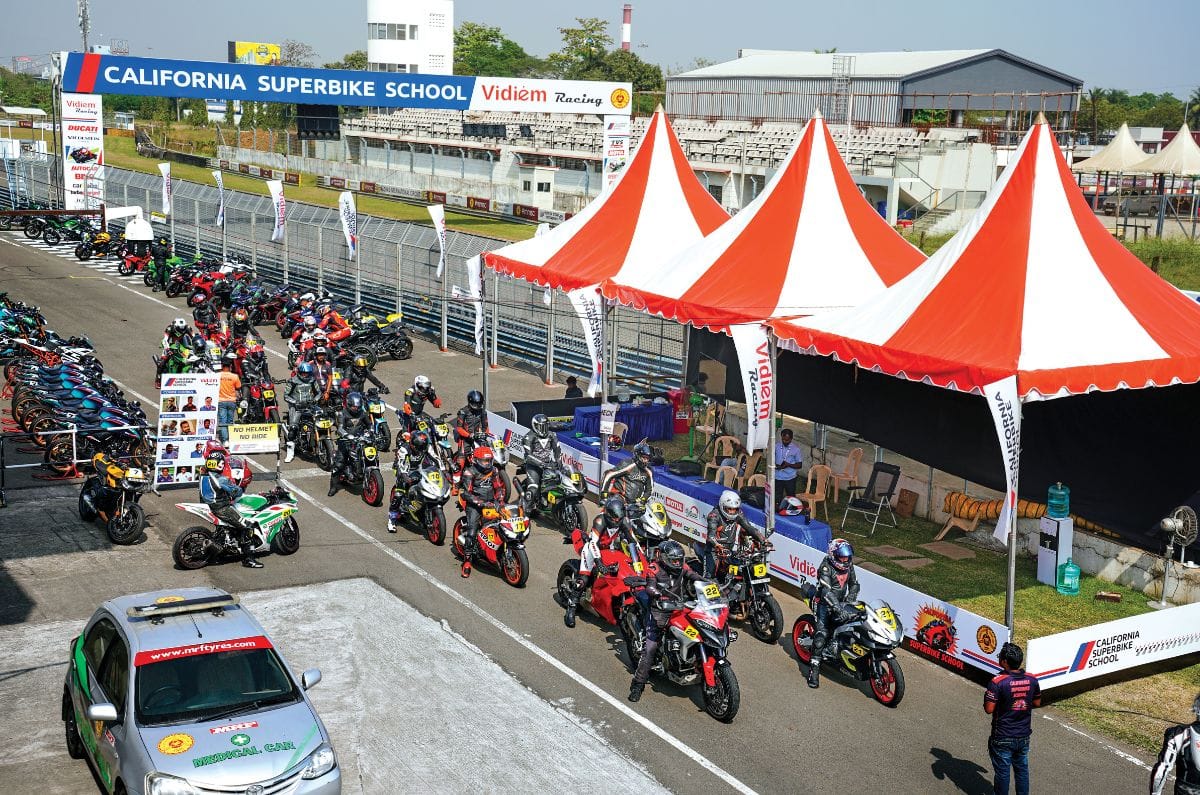
The format was the same as usual; riders split into three groups, and each group was either out riding on track, getting feedback from their coaches, or in a classroom session. That way, no time is wasted and everyone is always on the go. There are a total of five drills that you learn and get to practice on track every day. The first day covers drills on throttle control, vision and lines. The second day builds on
with reference points and quick turns, along with some braking drills. And finally, once you have those fundamentals right, day three includes body position and stability.
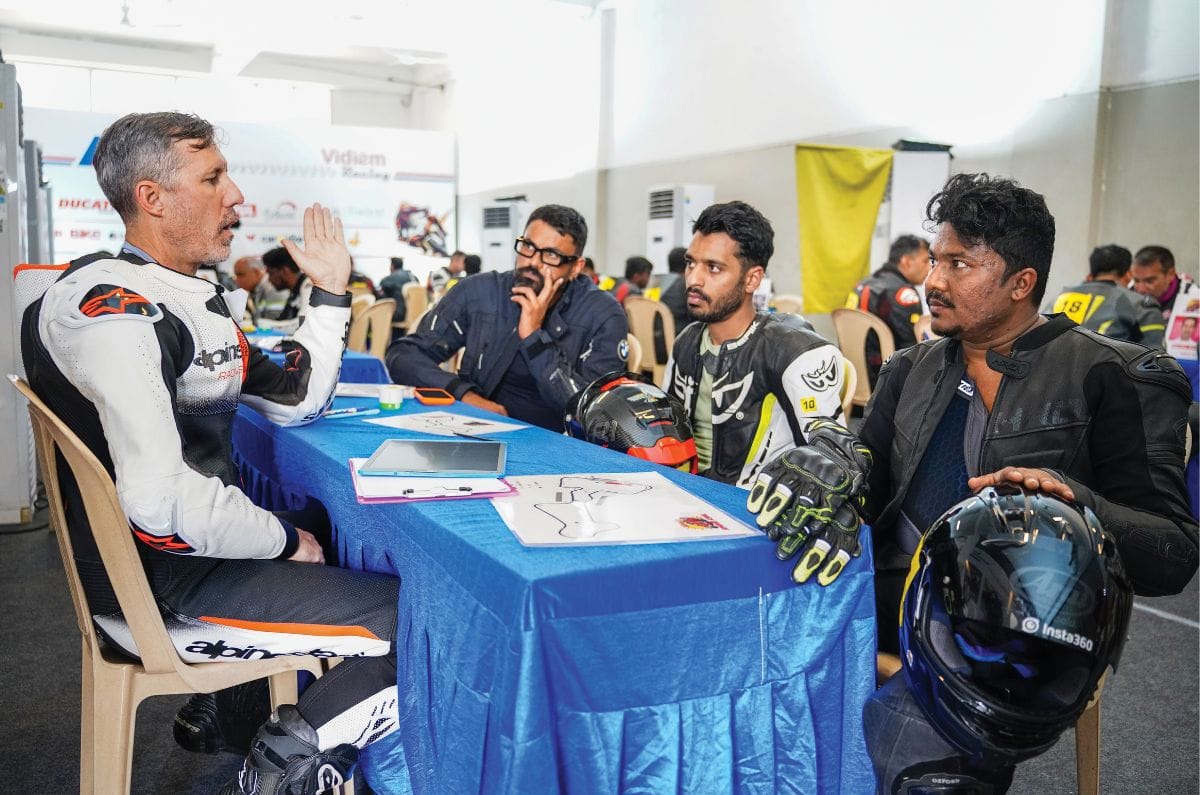
I was familiar with the classroom sessions as I have attended the school twice before, but it was still insightful to listen and apply my learnings to every session on track. When I am riding on track, I usually focus on staying on the bike, getting the most grip, and trying to be as fast as I can. But that’s where the school comes into play for even a rider like me, who has some experience but has learnt a lot about
riding on his own. It essentially breaks down every little thing you are doing, so you consciously understand what’s going on under you.
A Coach’s Perspective
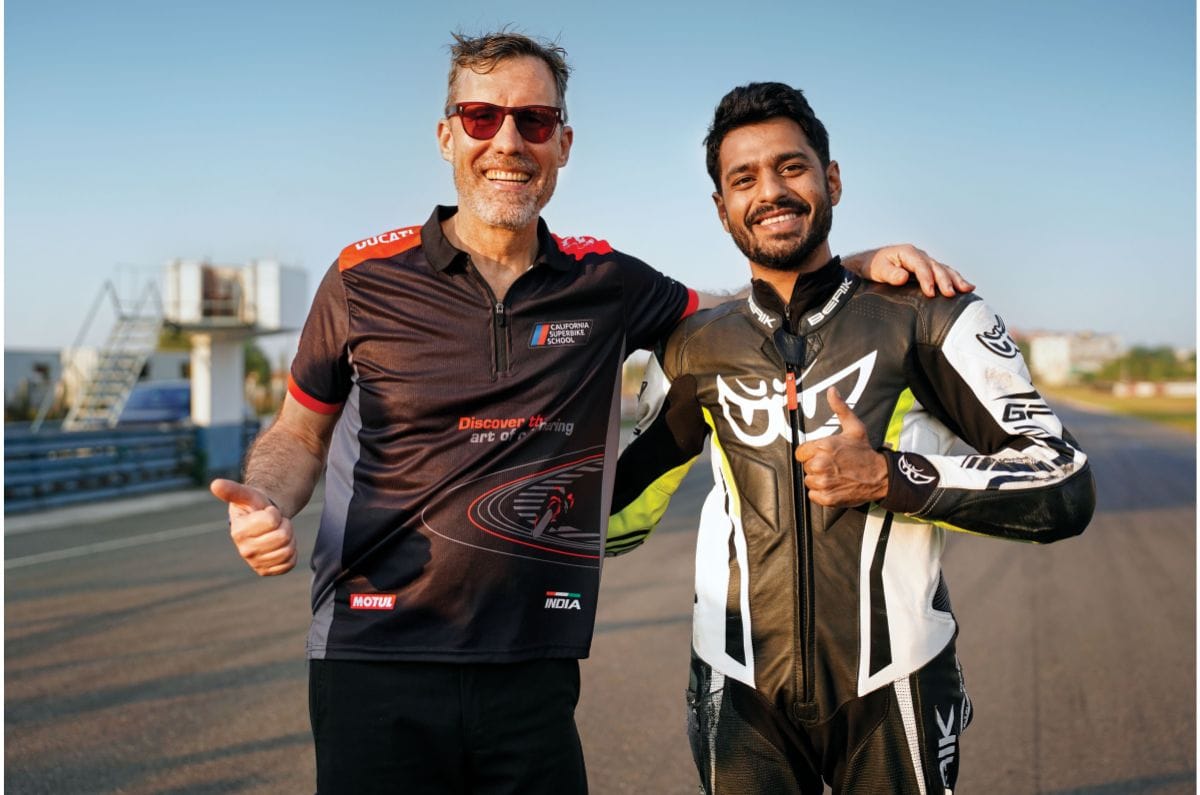
One of the highlights of this edition of CSS was having Dylan Code as my coach. As the son of the school’s founder, Keith Code, Dylan has spent much of his life around racetracks and riders trying to go faster. What impressed me the most was how quickly he read my riding style. Within the first track session itself, he had already identified areas where I didn’t need the lessons and others where I could
improve. Instead of simply reinforcing the preset drills, he began introducing more advanced pointers that would help refine my techniques.
Small adjustments like where to shift my focus on corner entry, how to improve corner entry speed, and getting into the proper body position earlier to keep my energy in reserve; all this began making a noticeable difference by the second day itself. That’s the beauty of having a highly skilled and experienced rider who is closely following you. They can spot the patterns you might not even realise
you’re repeating.
Improving Technique
For me, the biggest breakthroughs came in body position. When I was a young enthusiastic rider, the closest thing to cornering we could experience was to head to a nearby mountain road. At the end of the day, that is still a public road and I had to be wary of unexpected vehicles, so the ideal riding style was to keep my head and upper body positioned well above the handlebars while going through a
corner. Ultimately, that technique has become somewhat of a habit and was one of the first things my coach noticed and started to advise me on.
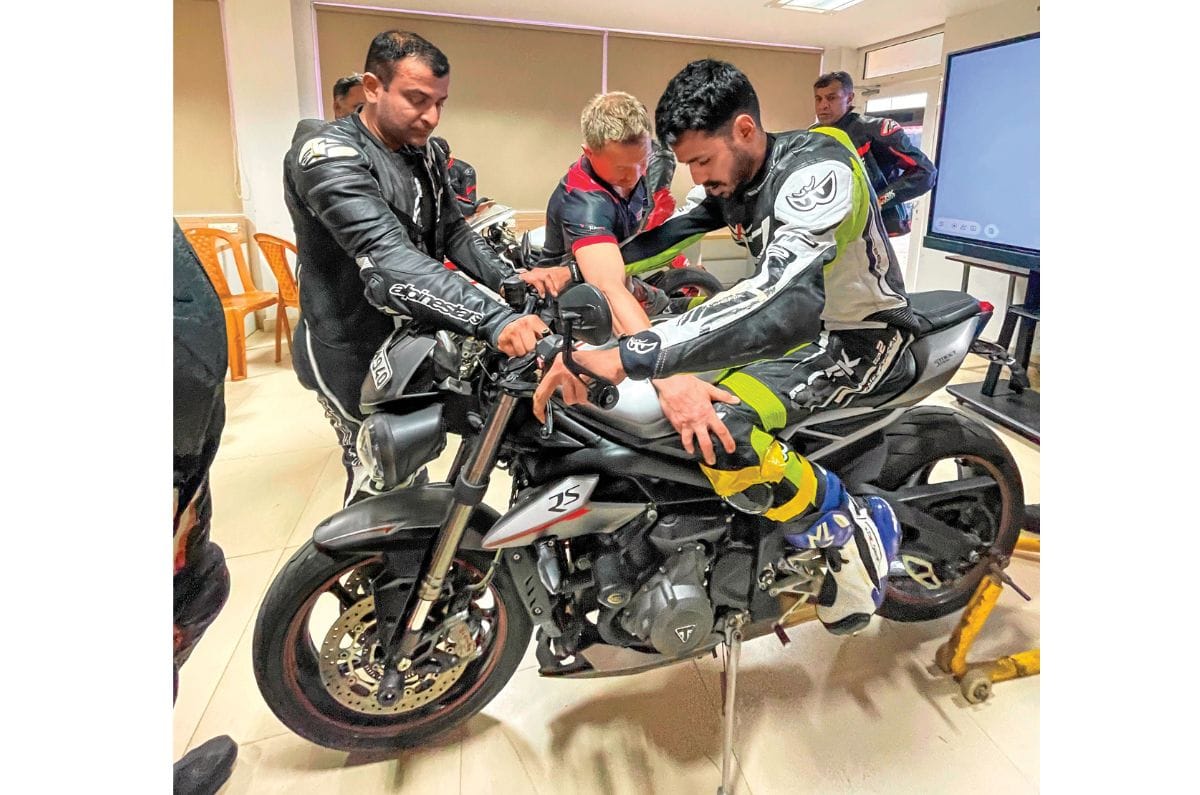
The CSS approach to learning adds layers to a single lesson. In this case, there was more to consider about my body positioning, like where your weight sits, how your upper body is supposed to move, and how relaxed your arms remain. Another area I worked on improving with the hip-flick technique was to nail the quick transition from C4 to C5. Consciously doing everything suggested by my coach, all the
elements started coming together.
I immediately got a confidence boost as the corners felt smoother, transitions more stable, and the overall rhythm of riding felt more natural.
Three days of track riding might sound like a dream, but it’s physically and mentally exhausting. Every session demands complete concentration. Between the heat, the riding gear and the mental processing of drills and feedback, fatigue creeps in quickly. Staying hydrated and maintaining focus became just as important as nailing the techniques themselves.
Worth It
One of the most fascinating things about attending the California Superbike School is watching first-time participants progress over the three days. Day one usually begins with cautious riders simply trying to absorb information and stay comfortable on track. By day two, confidence builds as technique starts to click. And by day three, many riders are doing things they never thought possible just a couple of days earlier. That transformation is what makes the school so special.
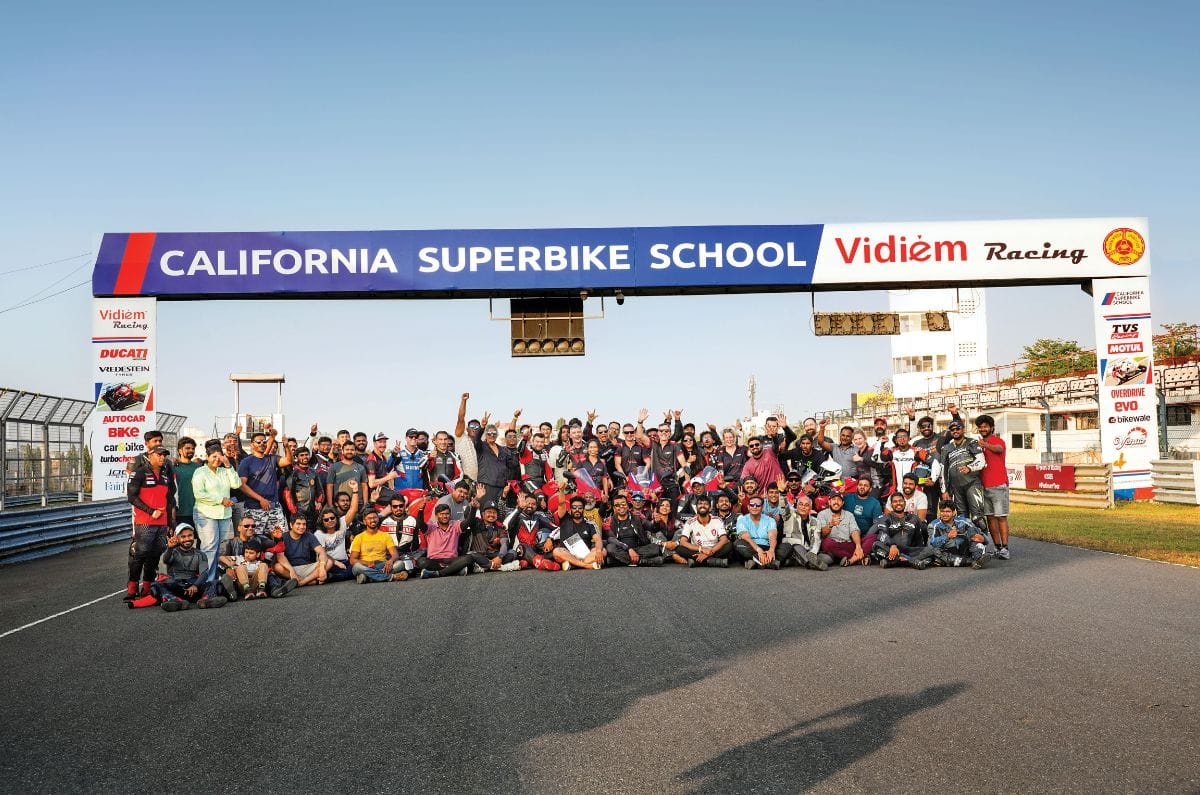
For the 2026 edition, Levels 1, 2 and 3 together are priced at Rs 85,000. Riders looking for a more personalised experience with a one-on-one coaching experience can opt for Level 4, which costs Rs 1.40 lakh. The fee includes breakfast, snacks and lunch throughout the event, along with service support and all the petrol your motorcycle will need during the course. If my three visits to CSS have proven anything, it’s that no matter how experienced you think you are, there’s always something new to learn when it comes to riding motorcycles. And, starting off from smaller motorcycles was the ideal way to get the confidence to feel fast on a bigger machine.
Overall, attending CSS is a great way to improve your riding skills on and off the road. With all that you learn here, you become more confident, and the skills you gain make you a safer, faster and more composed rider.
The RS 457
After riding the RS 457 on track at Kari Motor Speedway when it was launched in India, I always wanted to ride it at the MIC, as it’s a more flowing track that I have a better understanding of. Aprilia sent over an RS457 sporting the new Arsenic Yellow colour scheme, and it was prepped for the track with its mirrors and number plate holder removed. Crucially, it was equipped with the optional race brake pads that are essential if you plan on taking this bike to the race track.
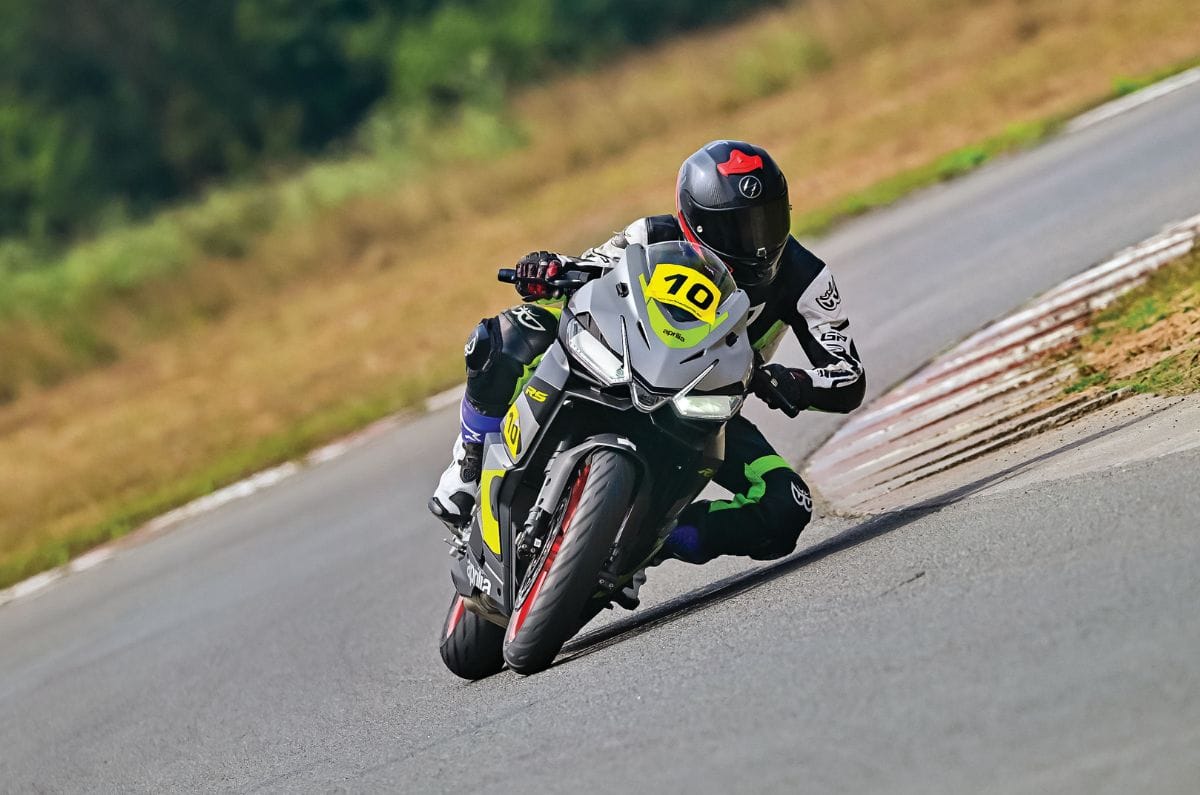
Out on track, the RS 457 impressed me with the way it handled three days of riding over 400km. This is easily the most entertaining and enjoyable of all the track-capable motorcycles made in india, and it was fast enough to keep me thoroughly engaged. The stock Eurogrip tyres were grippy enough to handle any situation, and paired with the traction control, they even saved me from some dicey situations I found myself in after getting too greedy with the throttle. It turned out to be the ideal partner for this learning
process.
It felt predictable and was approachable despite being powerful; that allowed me to focus entirely on technique. The overall result was a motorcycle that encouraged me to experiment and start pushing as the sessions progressed.
from Autocar India https://ift.tt/Gb8wpiD


Comments
Post a Comment