Most underrated cars on sale in India
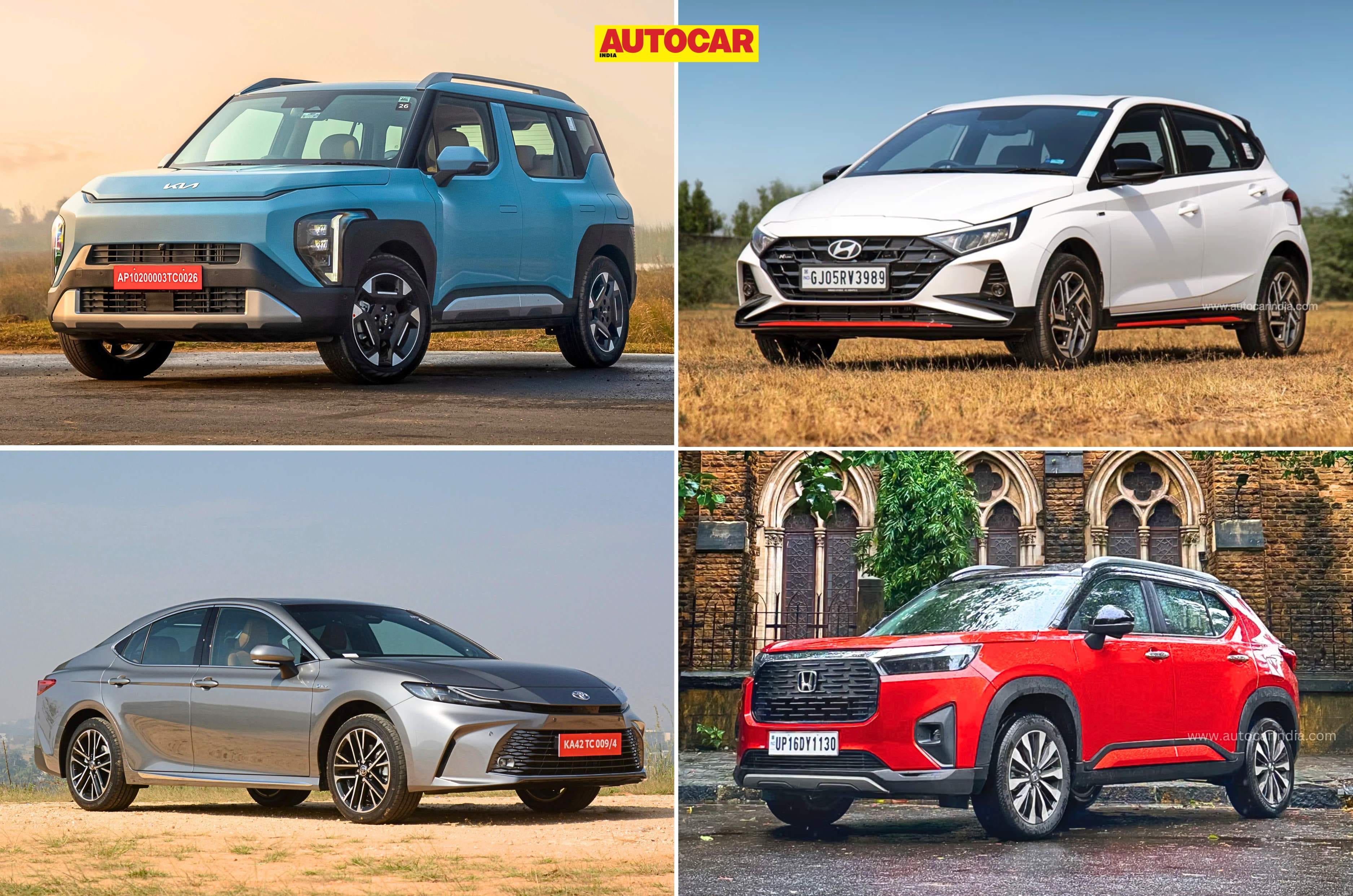
Indian car buyers often base their decisions on a set of rigid criteria, such as fuel efficiency, features, value for money, resale potential, safety, brand value, etc. However, in the race to meet as many of these criteria as possible, a lot of worthwhile cars often slip through the cracks for various reasons. Below, we’ve spotlighted 15 such underrated cars that are currently on sale in India, ranked in descending order of their starting prices.
Lexus NX
Starting price: Rs 66.59 lakh
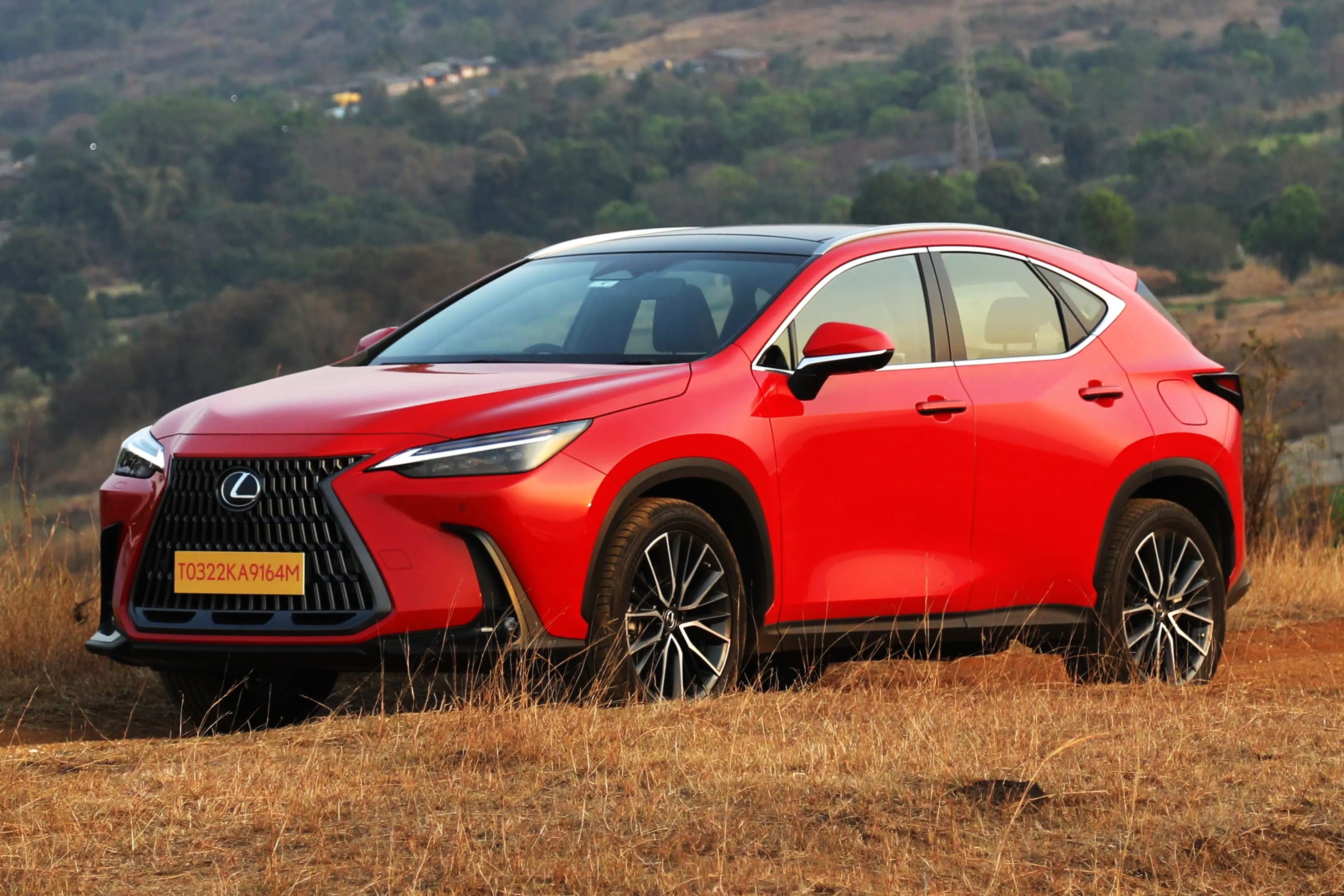
Representing Japan in the luxury midsize SUV space, the Lexus NX sports the second-lowest starting price and stands out as the only strong hybrid contender in its segment. Under the NX’s bonnet sits a 2.5-litre naturally aspirated petrol engine – the largest among its rivals – paired with front and rear electric motors and a lithium-ion battery pack. Combined system output stands at 239hp, which is fairly competitive for the NX’s class.
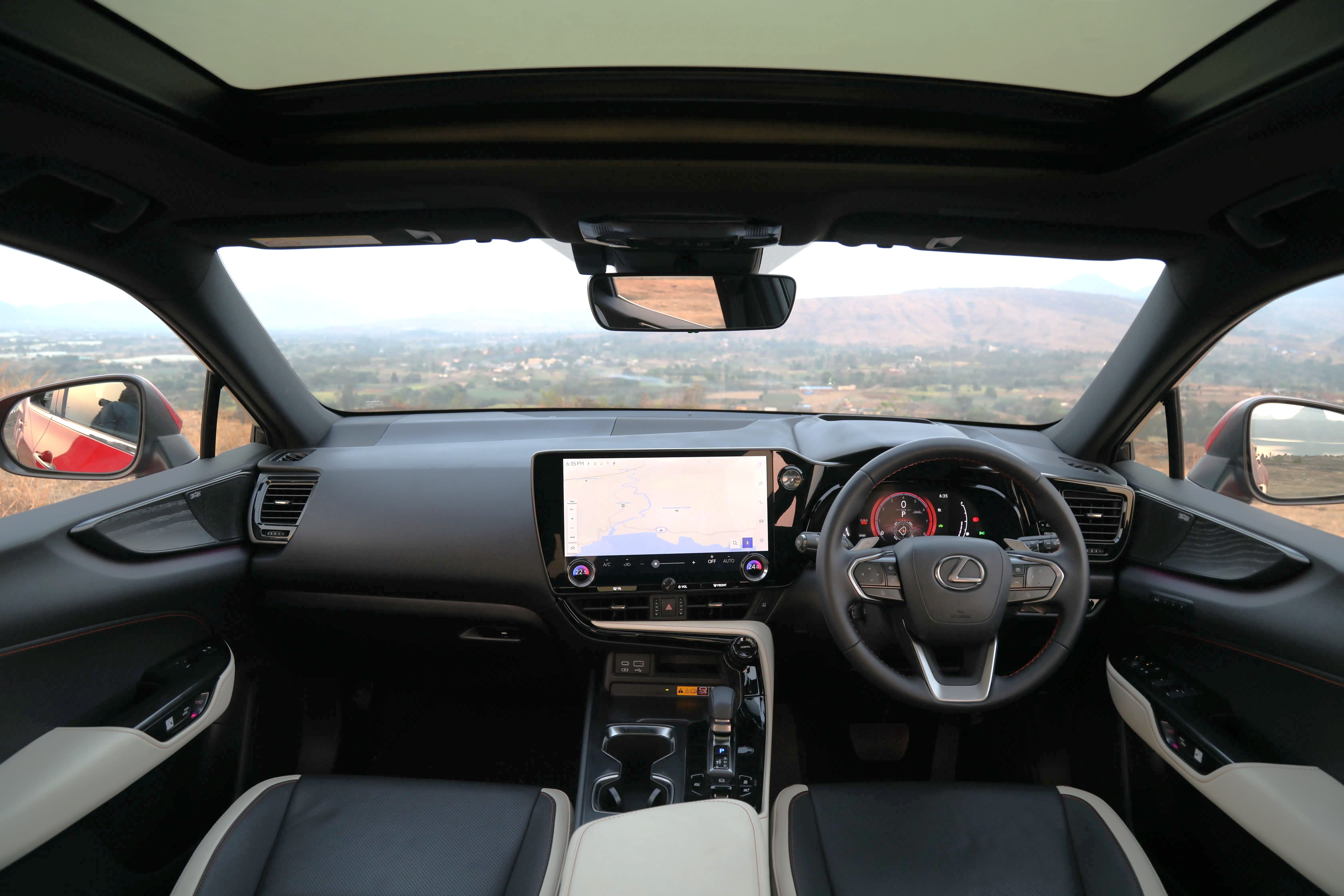
As our NX review states, the SUV’s power delivery isn’t quite the sportiest, but mileage-minded buyers would be delighted to know that it delivers a claimed fuel efficiency of 20.26kpl. The NX doesn’t fall behind in terms of creature comforts either, offering a 14-inch touchscreen, panoramic sunroof, 10-speaker sound system, ventilated front seats, dual-zone climate control, ADAS, connected car tech, and more as standard. Not to mention, the NX looks pretty sharp too.
Toyota Camry
Starting price: Rs 47.48 lakh
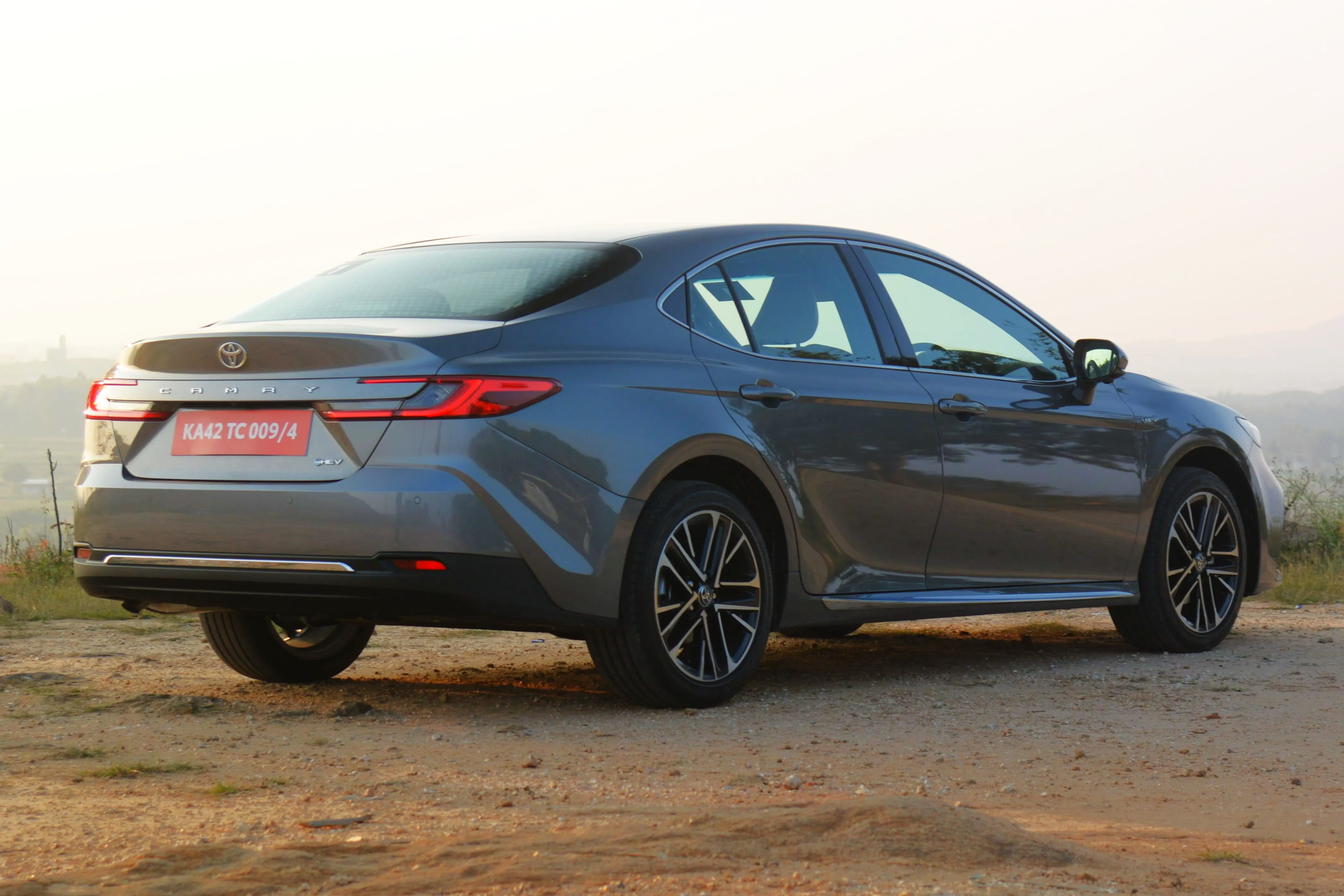
The Toyota Camry has been a mainstay of the executive sedan segment since it was first introduced in India in 2002. While the segment itself ceases to exist, the Camry soldiers on, with the latest-gen model having launched here in late 2024. This sleek sedan comes with a 2.5-litre petrol-hybrid e-CVT powertrain that develops a combined 230hp and a stellar claimed mileage of 25.49kpl.
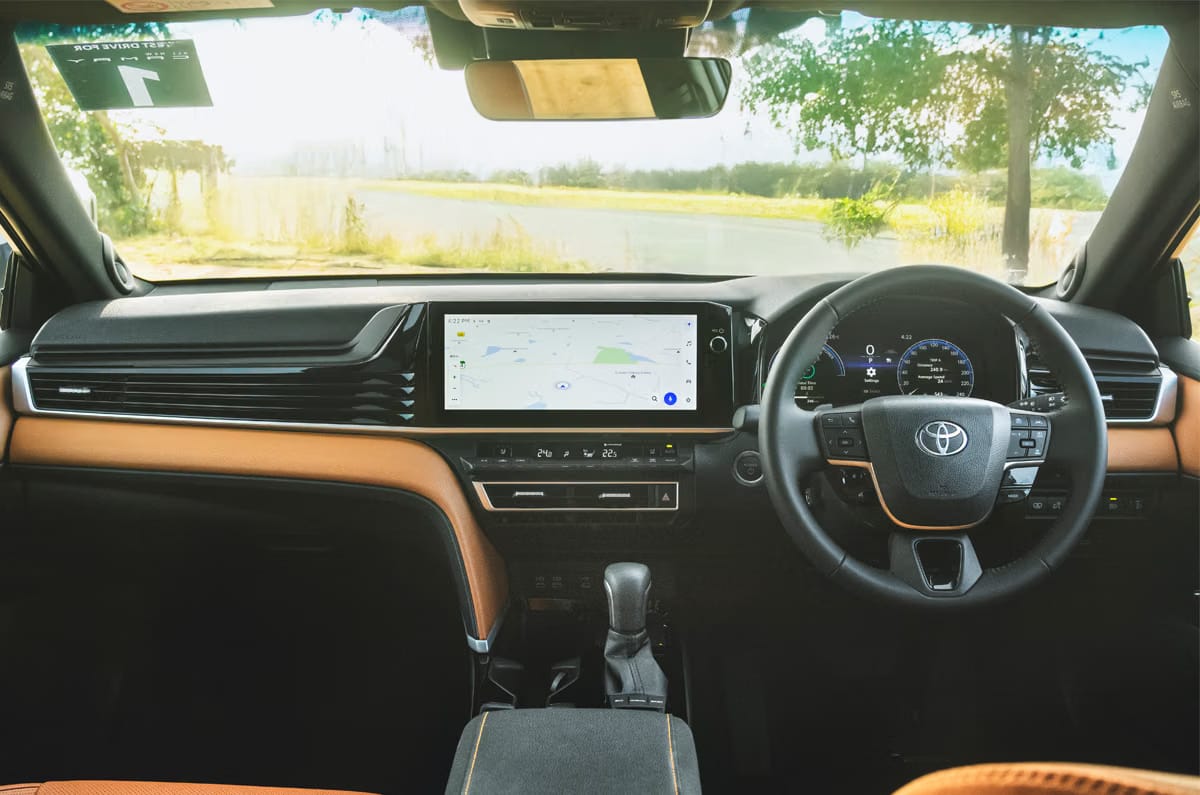
Though the current Camry’s price pushes it into entry-level luxury territory, you get quite a lot of bang for your buck, including a 12.3-inch infotainment touchscreen, 12.3-inch digital driver’s display, 9-speaker JBL sound system, 10-inch heads-up display, wireless Apple CarPlay, 360-degree camera, ADAS, reclining rear seats, ventilated 10-way powered front seats, 3-zone climate control, a sunroof, and more.
Audi A4
Starting price: Rs 46.41 lakh
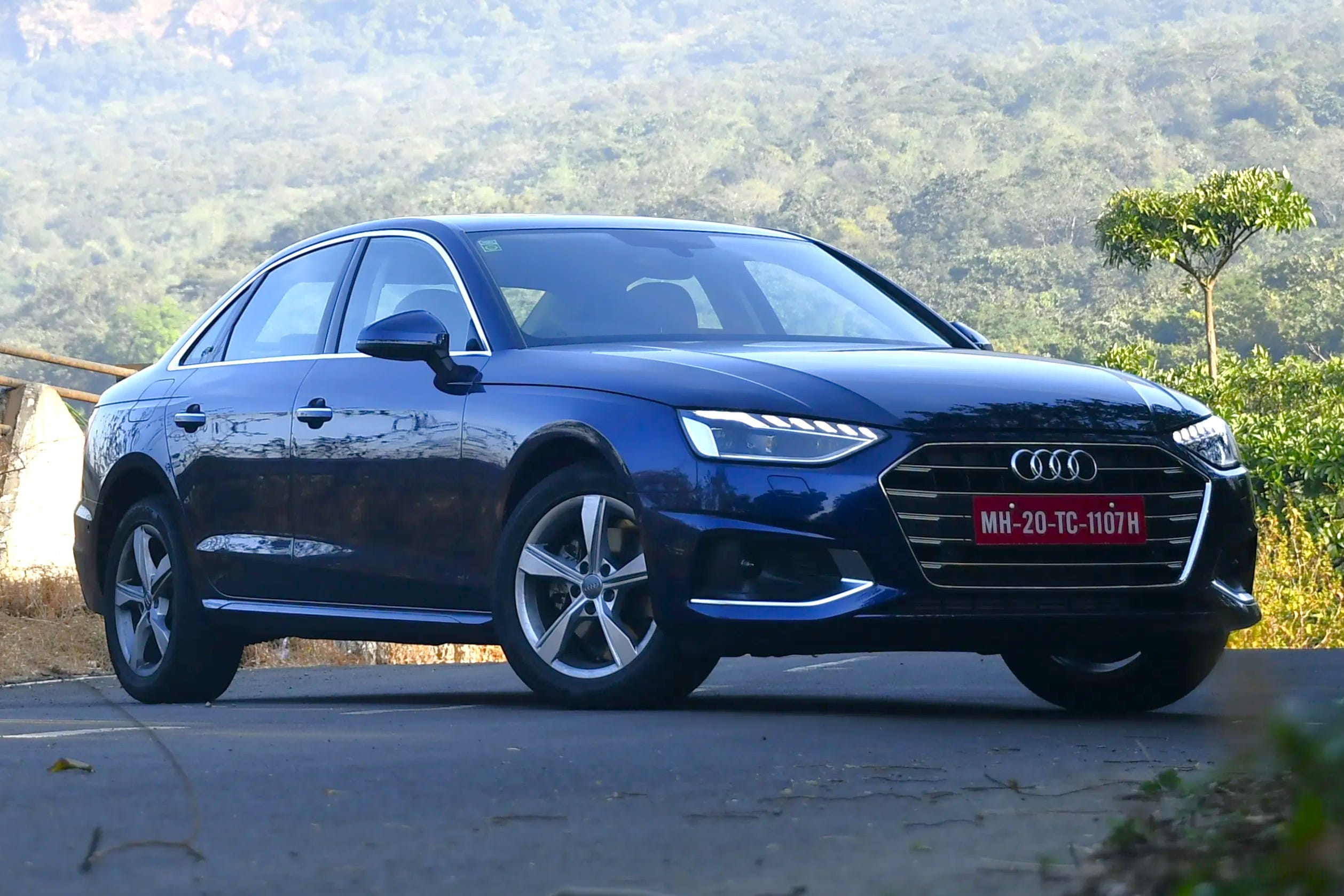
While the current A4 has been on sale in India for nearly a decade, the entry-level Audi remains a compelling package in 2026. For starters, it’s so much more affordable than its key rivals – the BMW 3 Series LWB and Mercedes-Benz C-Class – that the top-spec A4 Technology 40 TFSI variant undercuts their starting prices. In fact, the base A4 is slightly cheaper than even the Toyota Camry.
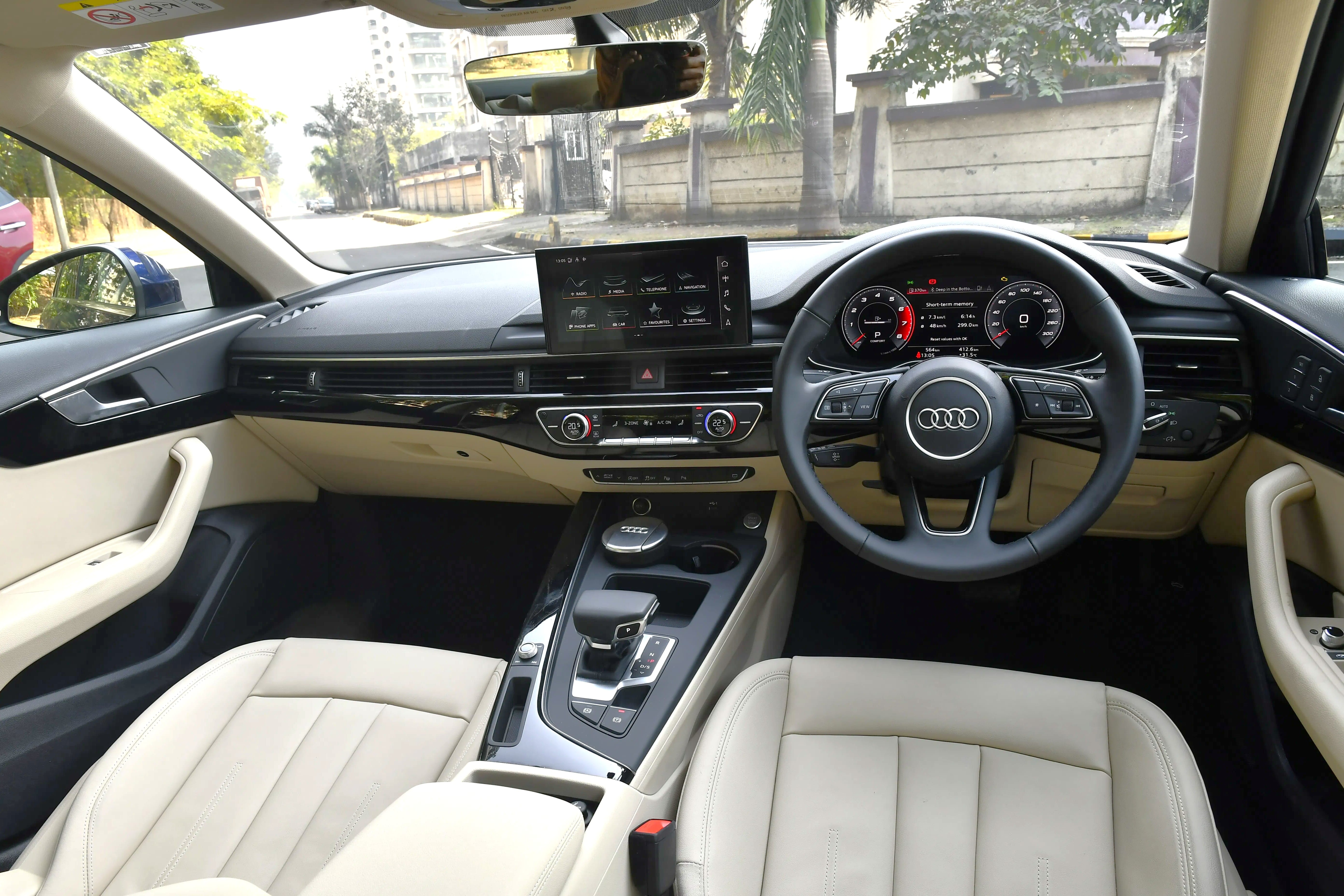
All variants of the A4 are powered by a refined and punchy 2.0-litre turbo-petrol engine that generates 204hp and 320Nm, paired with a 7-speed DCT. In top-spec guise, the A4 gets a 10.1-inch infotainment touchscreen, 12.3-inch digital driver’s display, 360-degree camera, B&O 3D sound system, sunroof, 3-zone climate control, powered front seats, 30-colour ambient lighting, and more. Being an older car, the A4’s dashboard also isn’t overloaded with screens and features lots of physical controls.
Hyundai Creta Electric
Starting price: Rs 18.02 lakh
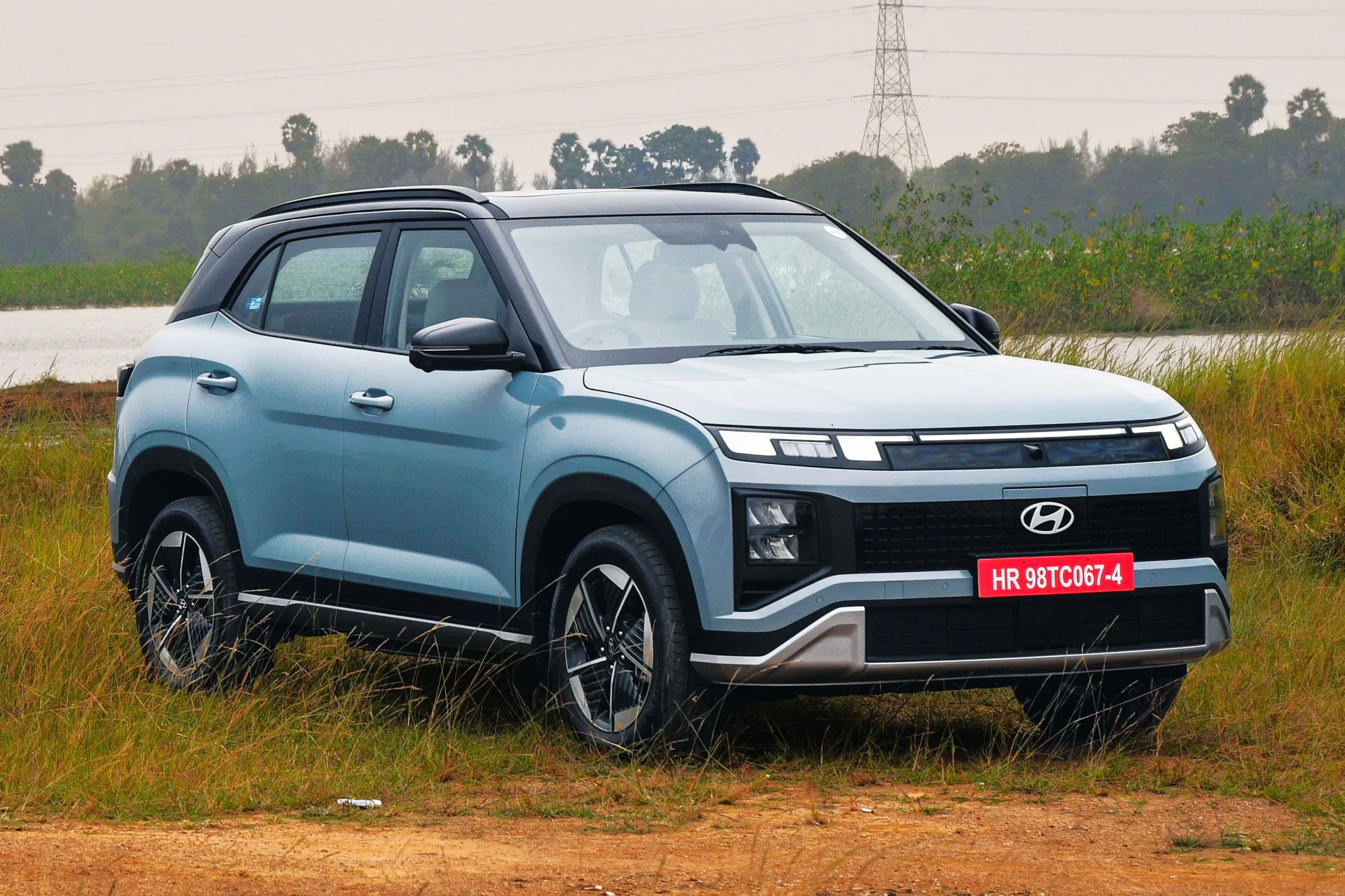
The Hyundai Creta Electric is the sole EV on this list, and in theory, the formula behind it should’ve been a major success. Month after month, the ICE Creta sets the sales charts alight, but the Creta Electric hasn’t quite resonated with buyers to such an extent. Part of the reason behind this is that many Indian EV buyers prefer a ‘wow’ factor that rivals like the Mahindra BE 6 pack loads of.
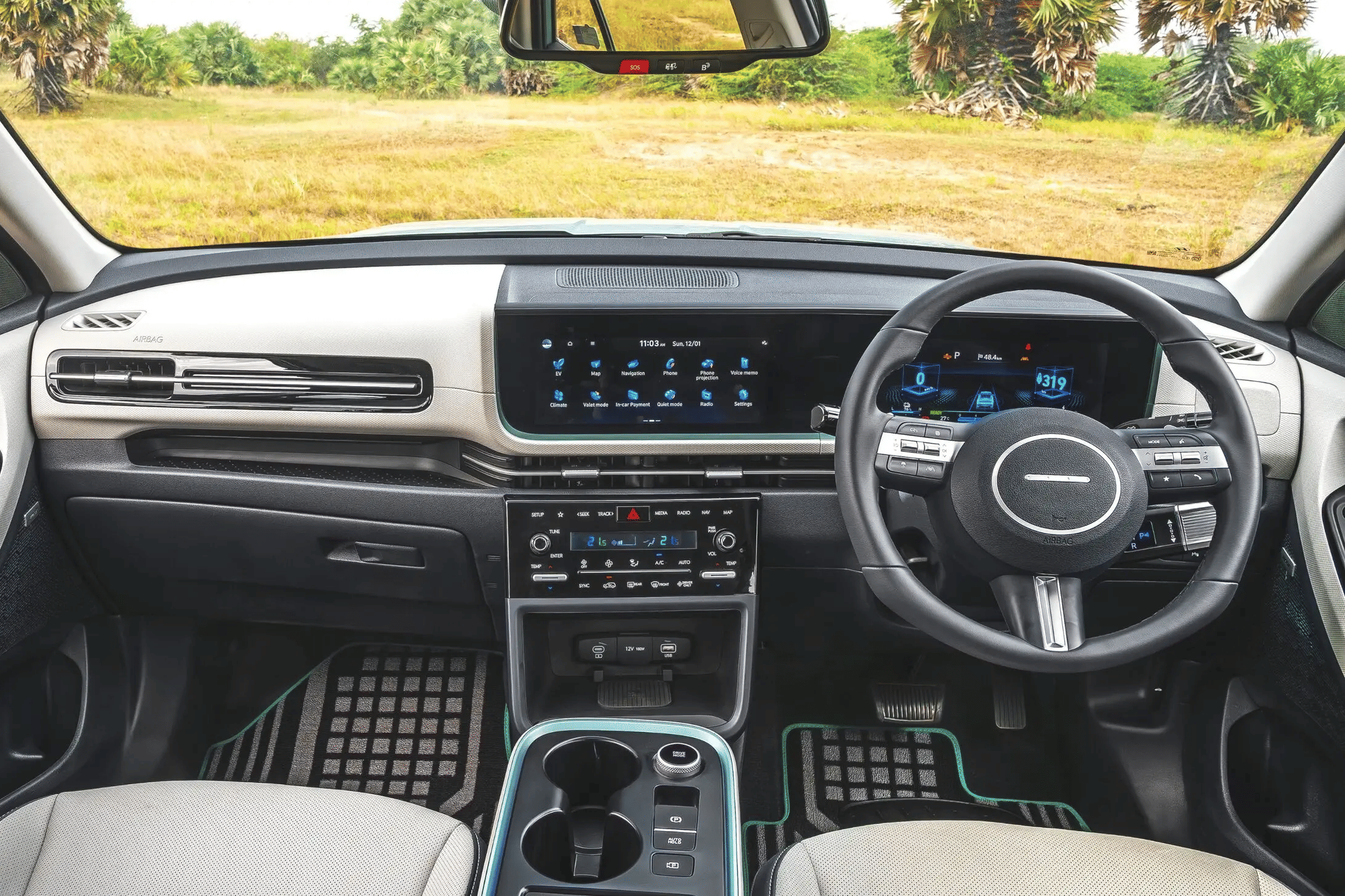
Instead, the Creta Electric banks on solid engineering, practicality, refinement, and an ethos of giving the buyer everything they need. That includes 42kWh and 51.4kWh battery options that yield claimed ranges of 420km and 510km, respectively, as well as features like a 10.25-inch touchscreen, 10.25-inch digital driver’s display, panoramic sunroof, 8-speaker Bose audio system, 360-degree camera, ventilated front seats, dual-zone climate control, ambient lighting, Level 2 ADAS, and more.
Honda Elevate
Starting price: Rs 11.60 lakh
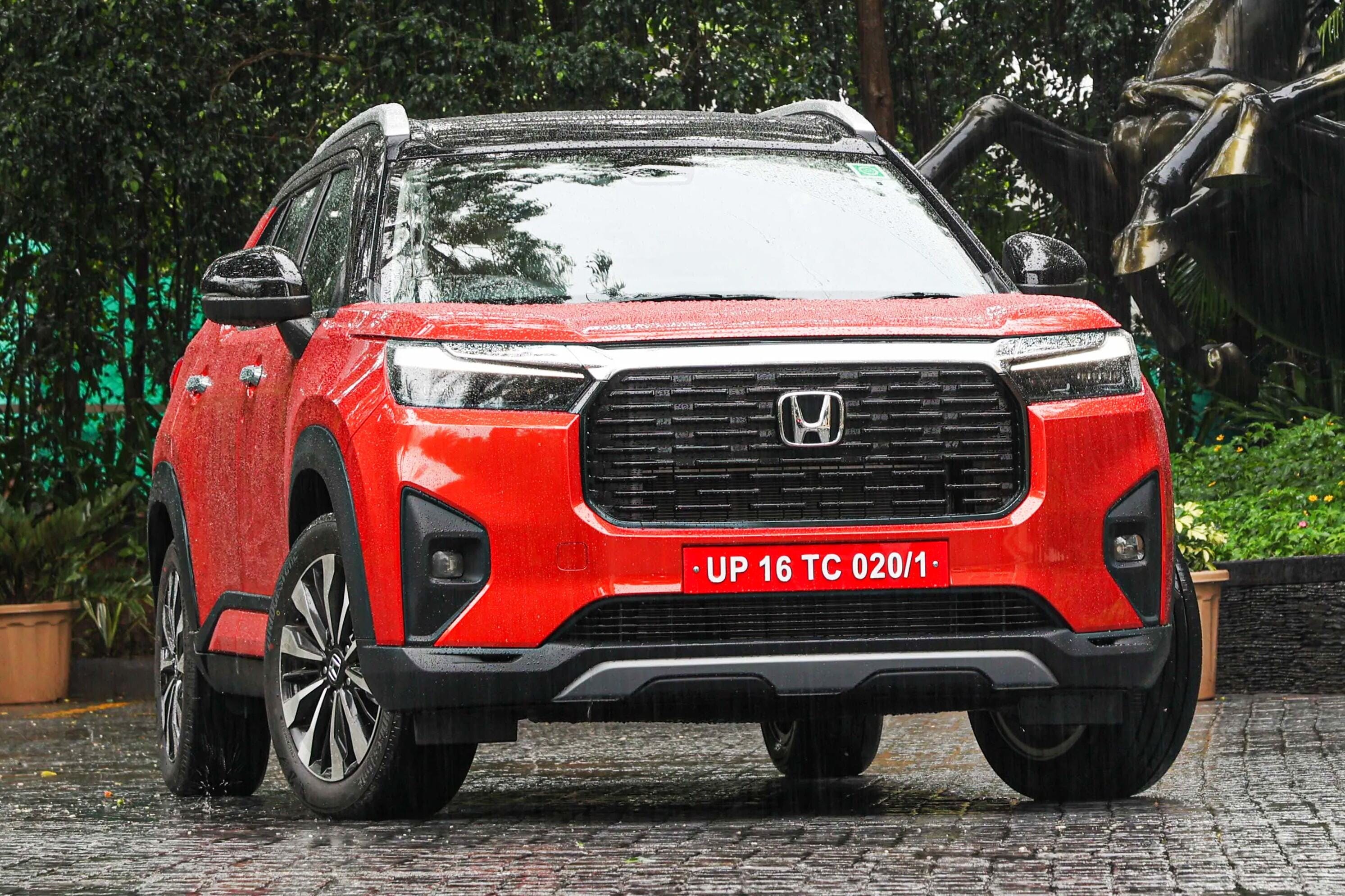
Launched in 2023, the Elevate is Honda’s contender for the midsize SUV segment. The Elevate’s arrival was rather late, it fell short on the features front (no powered driver’s seat, ventilated front seats, panoramic sunroof, etc), and no turbo-petrol, diesel, or hybrid powertrains were on offer. It doesn’t come as much of a surprise, then, that the Elevate has been trailing many of its key rivals on the sales charts.
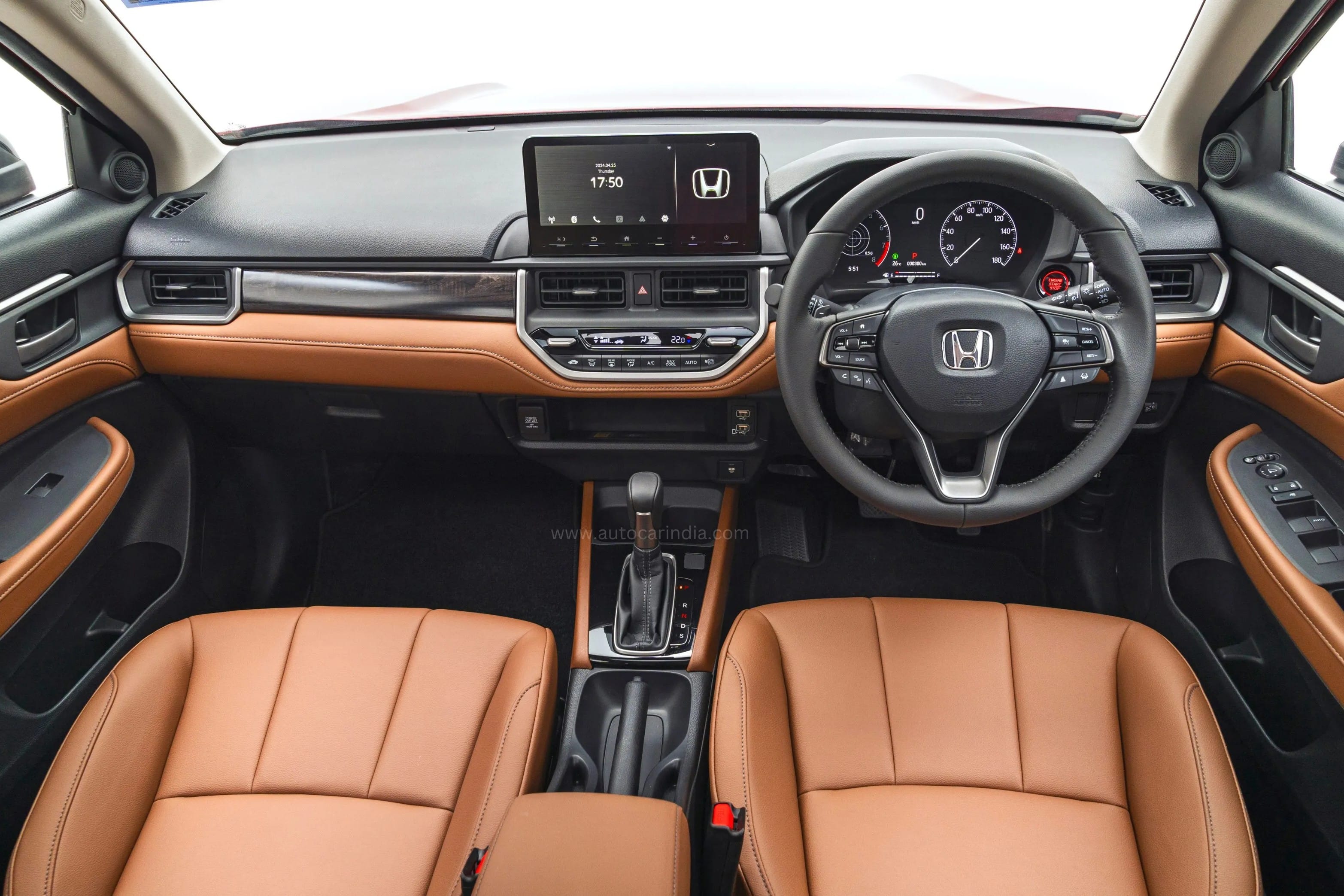
Much like the Creta Electric, though, the Elevate gets the fundamentals spot-on. It’s powered by Honda’s rev-happy 1.5-litre i-VTEC petrol engine, which churns out 120hp with 6-speed manual and CVT automatic options. Ride and handling are great, ground clearance is a segment-best 220mm, in-cabin ergonomics are excellent, reliability is a Honda staple, and the Elevate’s design remains simple yet appealing.
Hyundai i20 N Line MT
Starting price: Rs 9.22 lakh
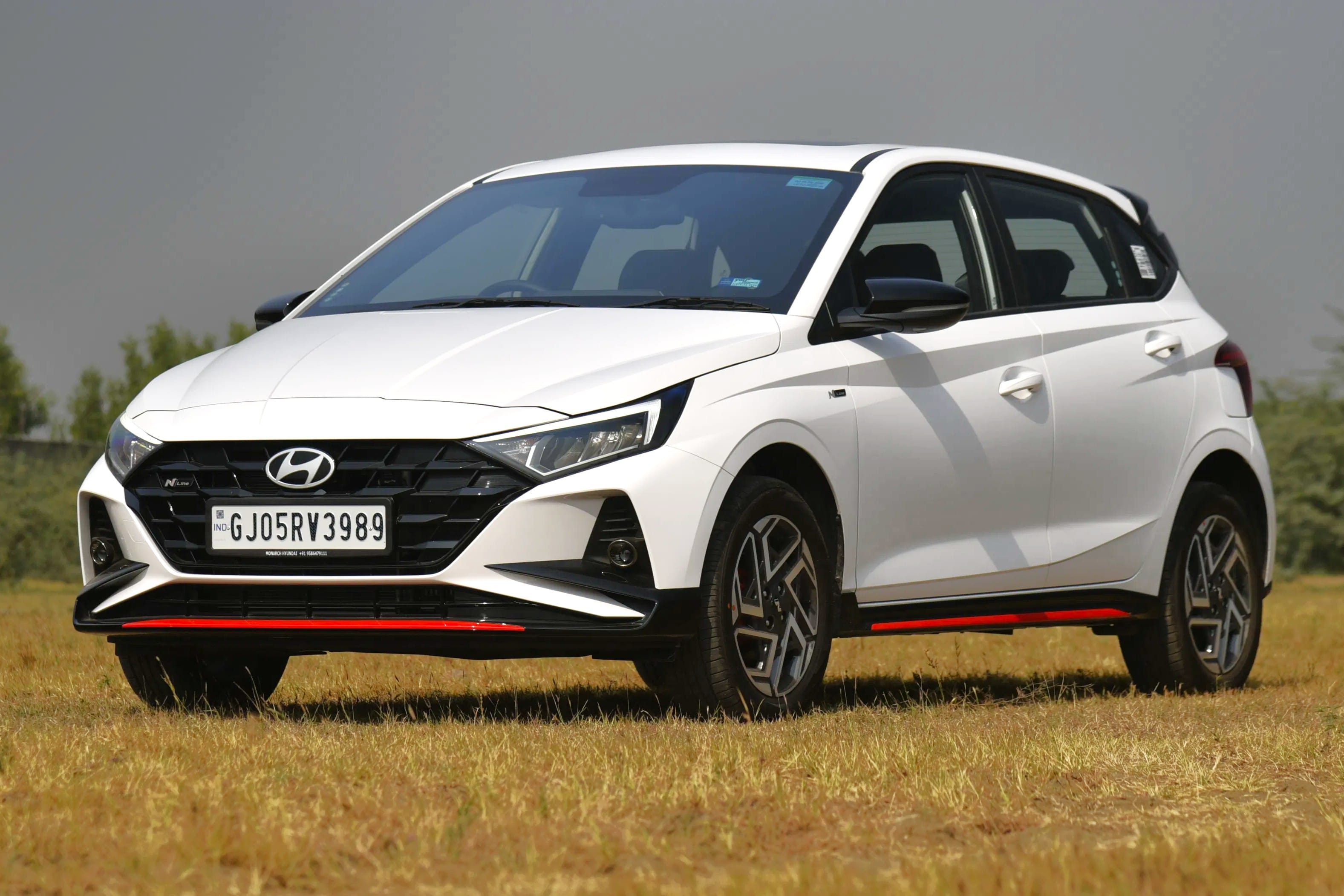
Performance-focussed hatchbacks are a near-extinct breed in the Indian mass market, with only the Hyundai i20 N Line currently holding down the fort. The i20 N Line comes with a 1.0-litre 3-cylinder turbo-petrol engine that makes 120hp and 172Nm, and can be paired with either a 6-speed manual or 7-speed DCT. The latter gearbox is popular with i20 N Line buyers, but if you’re buying an enthusiast-targeted car, it’s the manual that makes more sense.
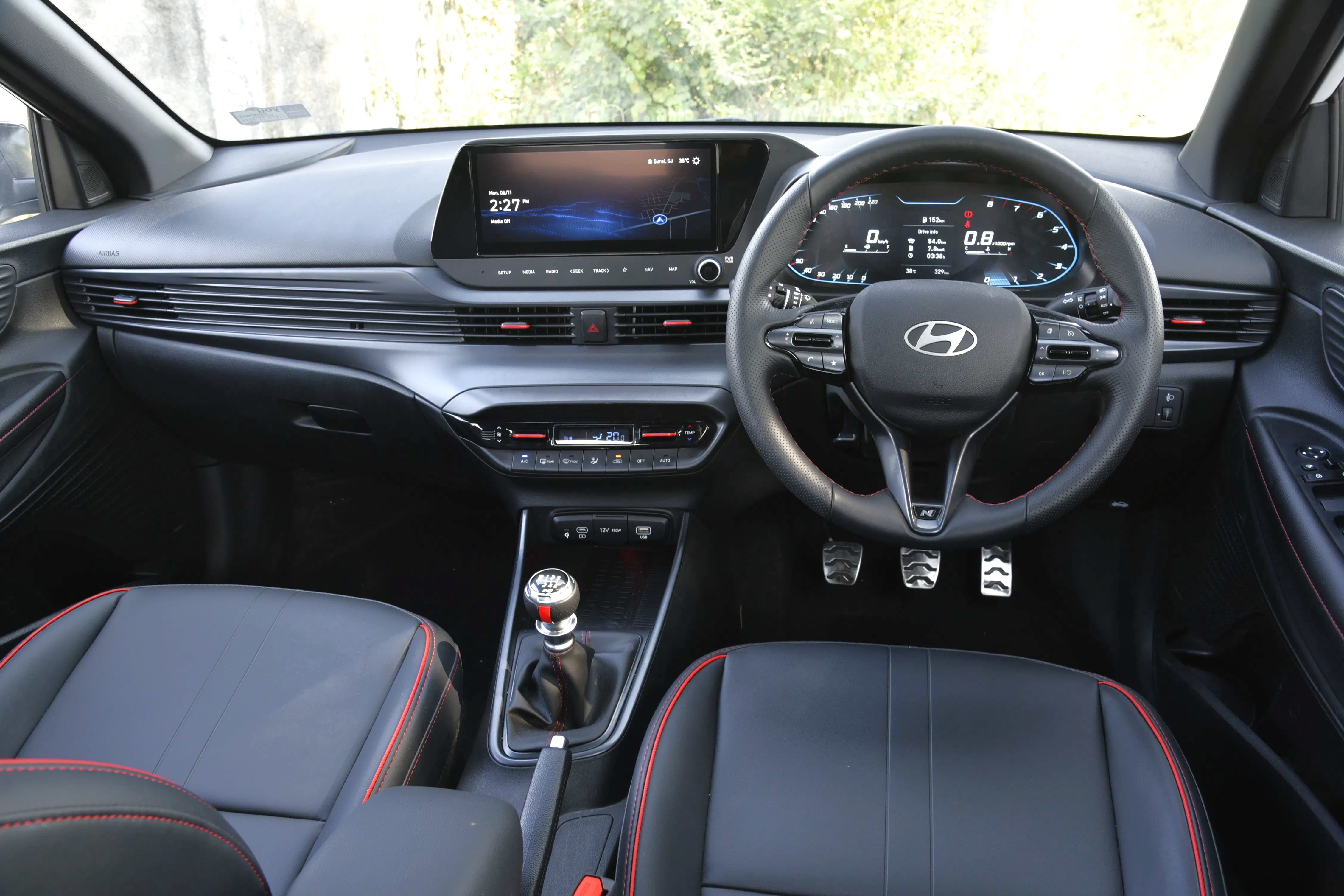
As noted in our i20 N Line MT review, the 6-speed manual version is not only more engaging to drive than the DCT variant, but it’s 15kg lighter, achieves a quicker 0-100kph time of 10.66 seconds vs the DCT’s 11.31 seconds (preliminary testing), and is more affordable (gap of over Rs 1 lakh like-for-like) too. Sure, the manual will be less convenient in stop-and-go traffic and the clutch is a bit springy, but when the road clears up, rowing through the gears yourself is always more fun.
Maruti Suzuki Fronx Turbo / Toyota Taisor Turbo
Starting prices: Rs 8.92 lakh / Rs 10 lakh
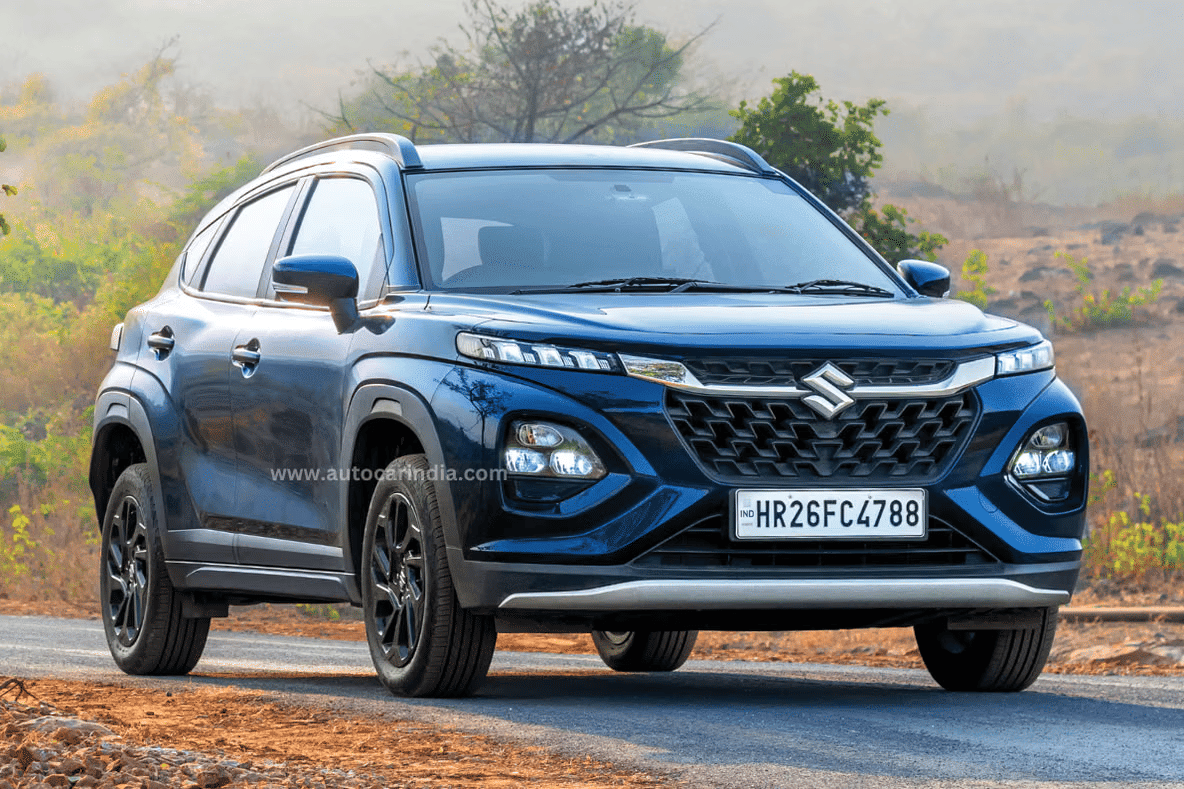
The badge-engineered Fronx and Taisor are very popular compact SUVs, both offering 90hp 1.2-litre 4-cylinder petrol and 100hp 1.0-litre 3-cyl turbo-petrol engine options. Of these, the 1.2-litre NA variants command a majority of the sales volume of the Fronx and Taisor, as they’re easier on the pocket, more fuel-efficient (rated 21.8kpl), and the power gap compared to the turbo-petrol engine is not that high.
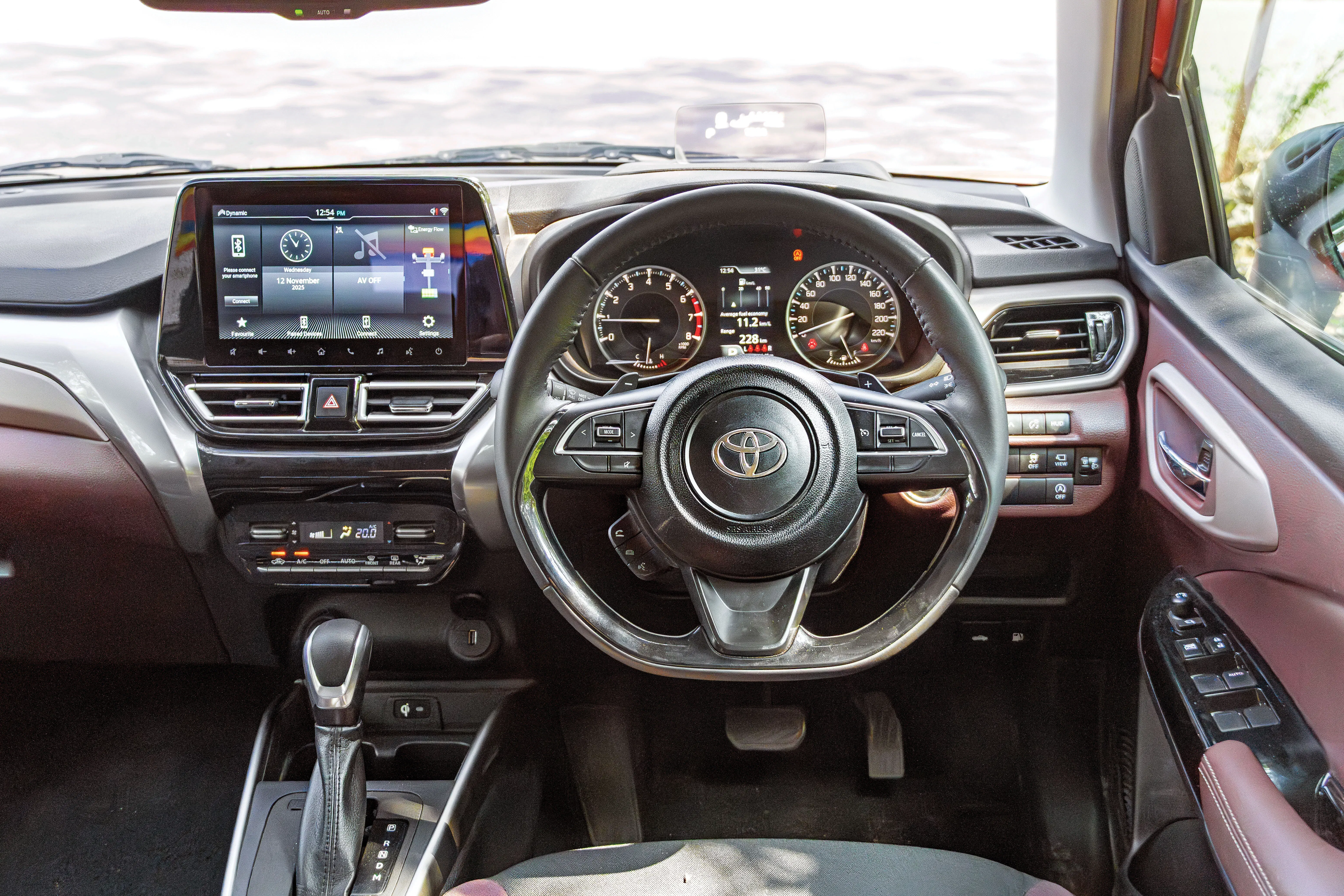
However, the turbo-petrol Fronx and Taisor deserve more attention, as the Boosterjet engine under their bonnets is uncharacteristically smooth and refined for a 3-cylinder unit, has minimal turbo lag, manages to deliver decent mileage, and the 6-speed torque converter automatic option is far superior to the 1.2 NA’s 5-speed AMT gearbox.
Kia Syros
Starting price: Rs 8.67 lakh
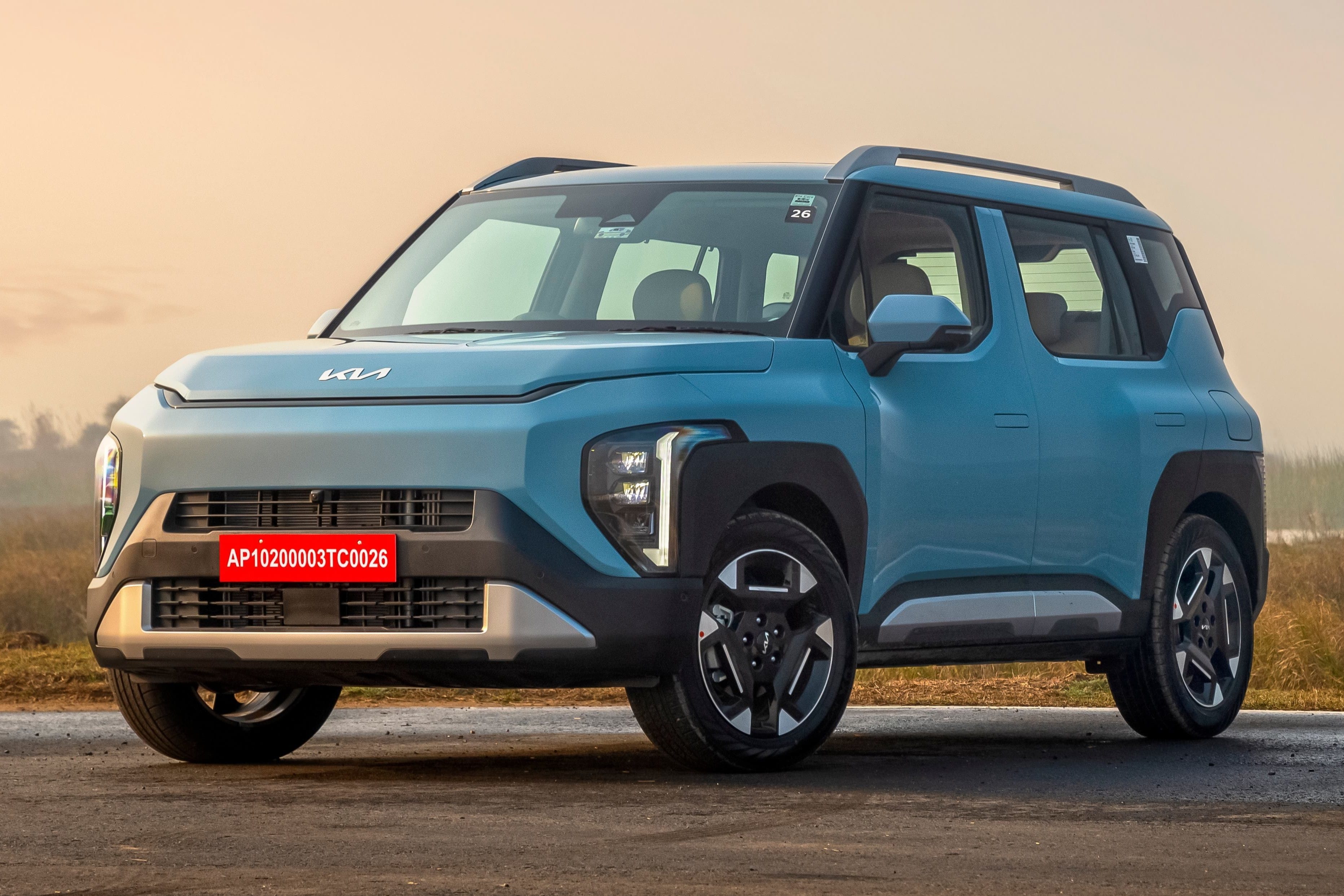
First impressions are crucial for lots of Indian car buyers, and the quirky, unconventional design of the Kia Syros has turned out to be too big of a pill for many to swallow, in addition to its relatively high pricing. Look past those facets, though, and the Syros emerges as one of the most feature-packed and comfortable options in the compact SUV segment.
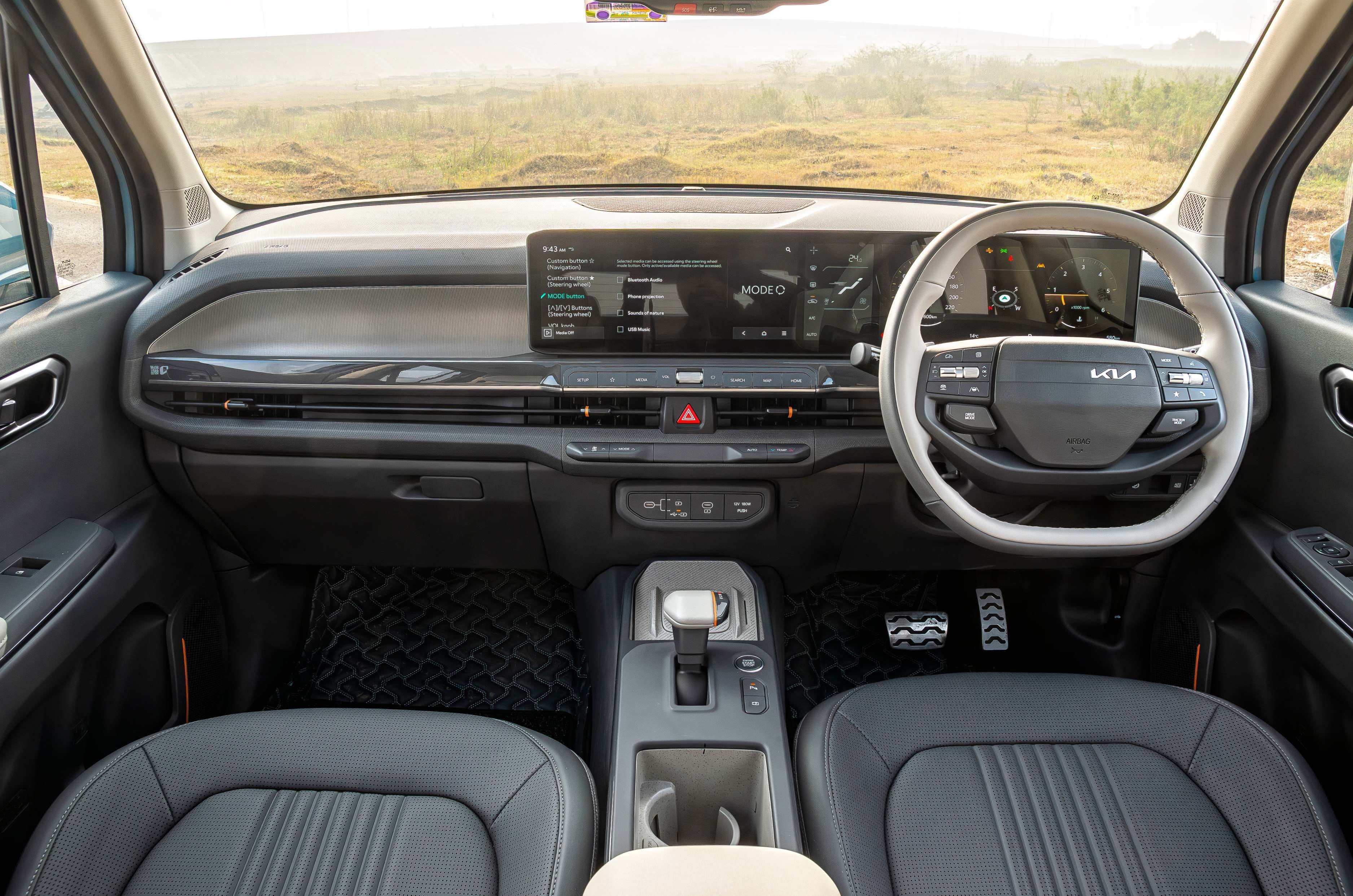
Inside, Kia has exercised phenomenal space engineering in the Syros, extracting headroom and legroom comparable to SUVs from a segment or two above. To enhance the experience at the back, the rear seats slide and recline, seat bases are ventilated, and the windows get sunshades. Up front, the Syros offers dual 12.3-inch screens, ambient lighting, a panoramic sunroof, 360-degree camera, Level 2 ADAS, Harman Kardon sound system, ventilated front seats, and more. The Syros also holds a 5-star Bharat NCAP safety rating.
Nissan Magnite Turbo / Renault Kiger Turbo
Starting prices: Rs 8.58 lakh / Rs 9.15 lakh
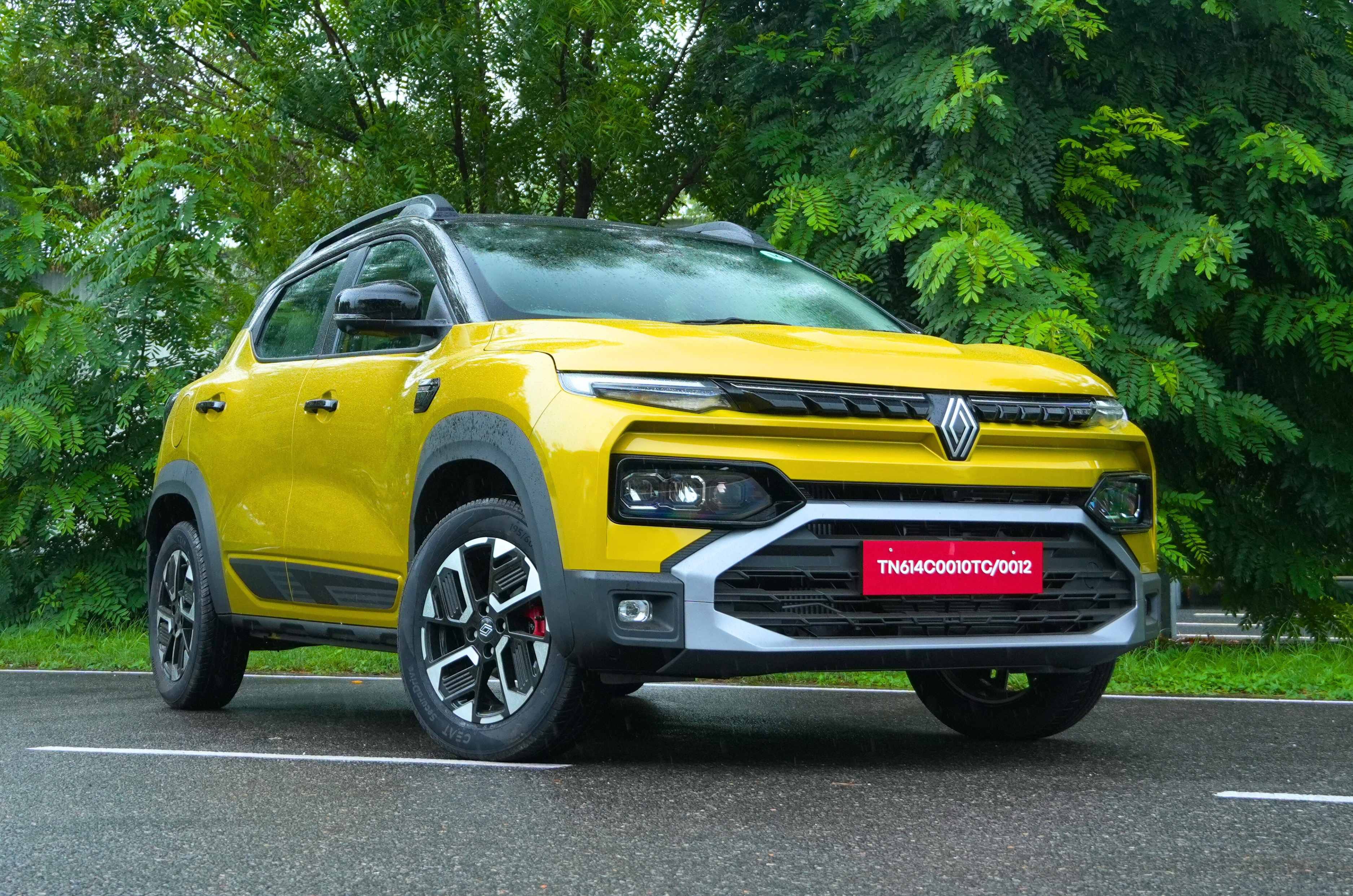
Much like the Fronx and Taisor, the Magnite and Kiger are badge-engineered compact SUVs. However, the Magnite and Kiger sell much fewer volumes than the Fronx and Taisor, which is unfortunate given that the Nissan and Renault compact SUVs are quite compelling and more affordable, especially for their 100hp 1.0-litre 3-cylinder turbo-petrol variants.
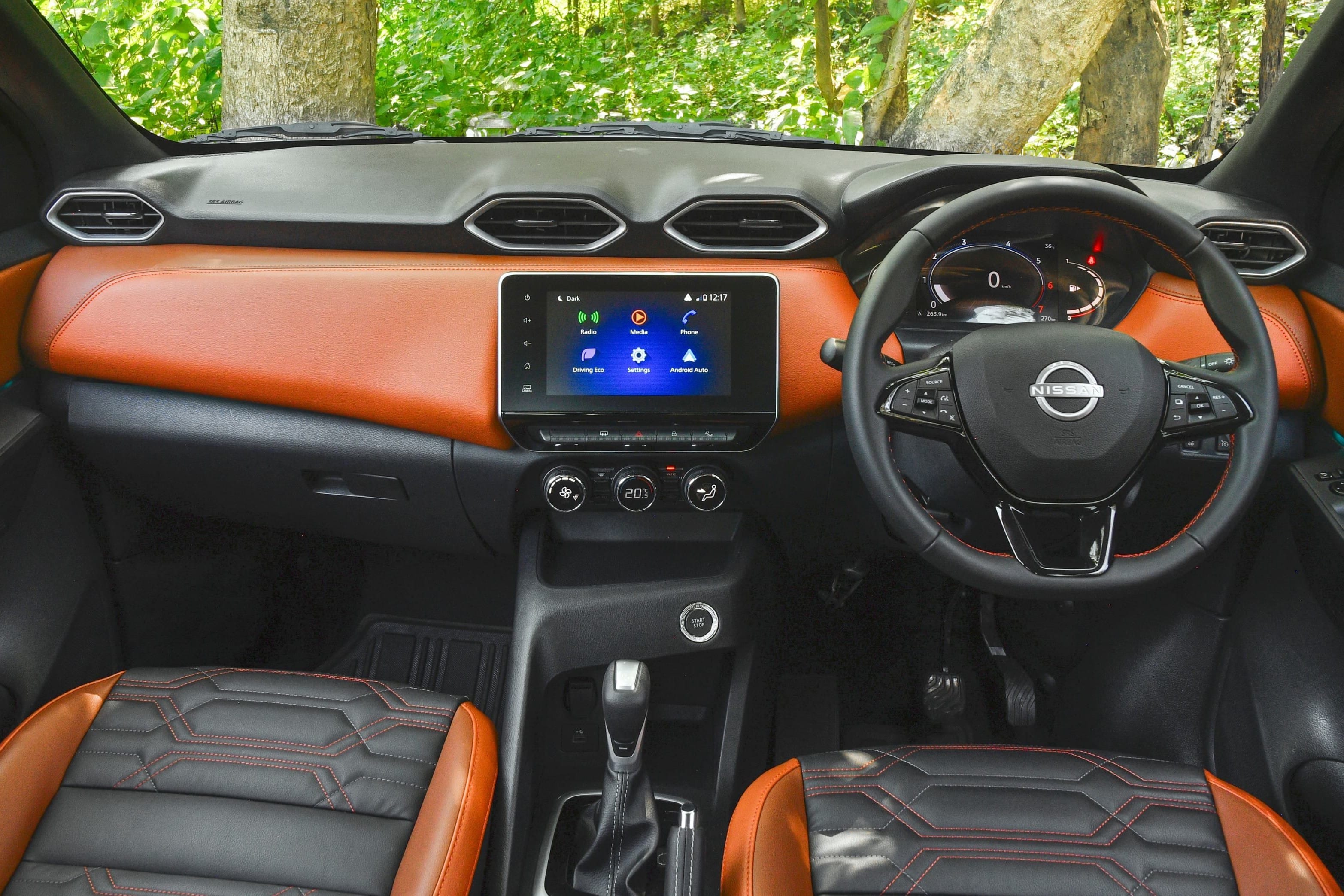
This engine is quite punchy and responsive, and can be had with either a 5-speed manual or CVT automatic. Design-wise, the Magnite sports a muscular and upright design that befits its ‘SUV’ label better than many of its rivals, while the Kiger has more of a crossover stance. In terms of features, the Magnite gets a 7-inch driver’s display, an 8-inch touchscreen, wireless charging pad, 360-degree camera, etc, while the Kiger adds ventilated front seats to the mix.
Citroen Aircross
Starting price: Rs 8.49 lakh
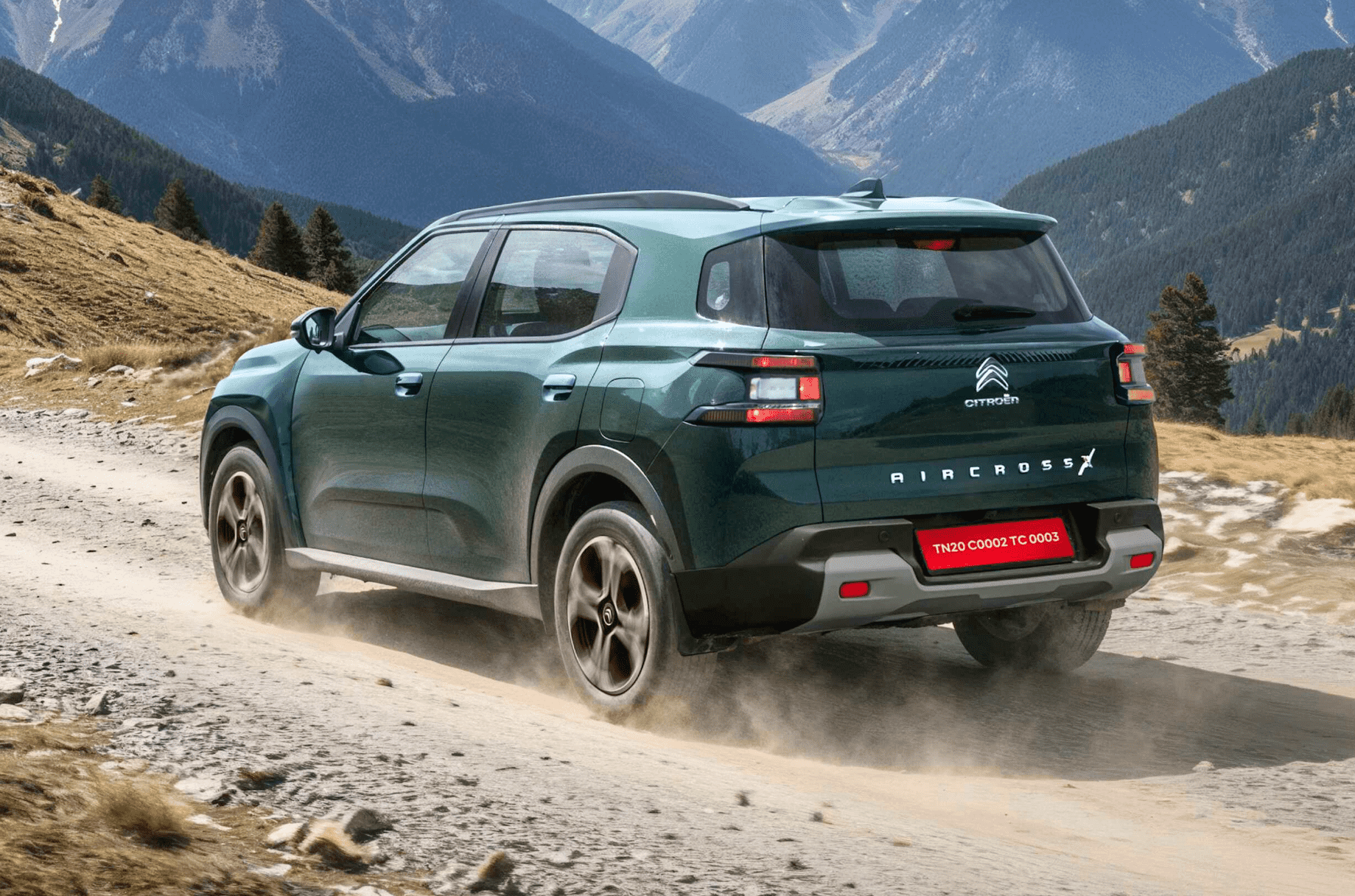
Citroen formally entered the Indian mass market in 2021 and remains a lesser-known brand to this day. That’s a bit of a shame, given that Citroen offers a midsize SUV like the Aircross at a starting price comparable to those of compact SUVs. Moreover, the Aircross is the only midsize SUV to offer a removable third row in its Turbo variants.
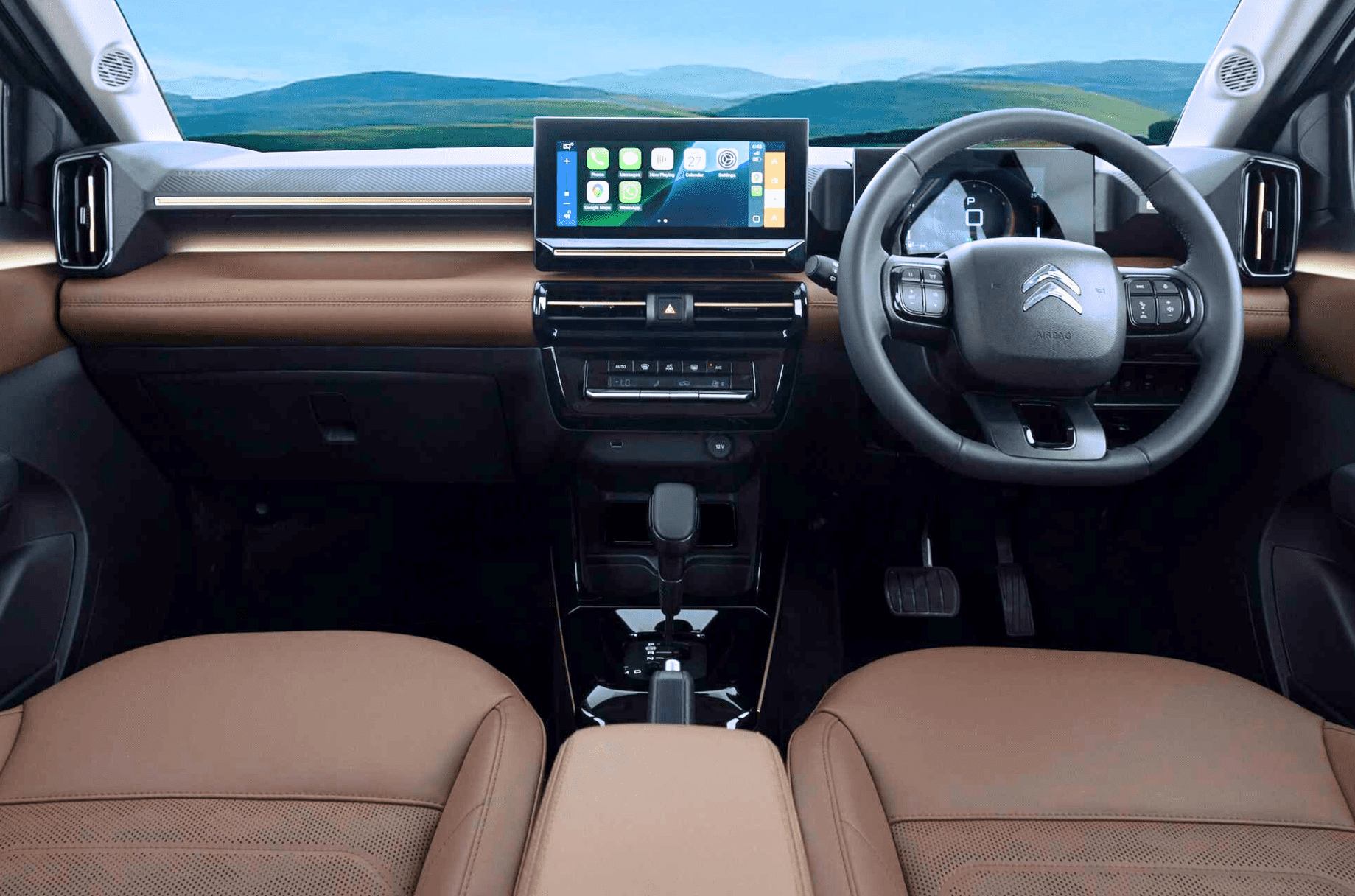
While the base Aircross is rather barebones in terms of feature offerings, the SUV did receive an ‘X’ update last year that greatly improved the equipment list of higher variants. The Aircross X update added goodies like ventilated front seats, ambient lighting, push-button start/stop, an auto-dimming IRVM, an optional 360-degree camera, and more. With prices topping off at Rs 14.14 lakh, the Aircross represents excellent value.
Citroen Basalt
Starting price: Rs 8.15 lakh
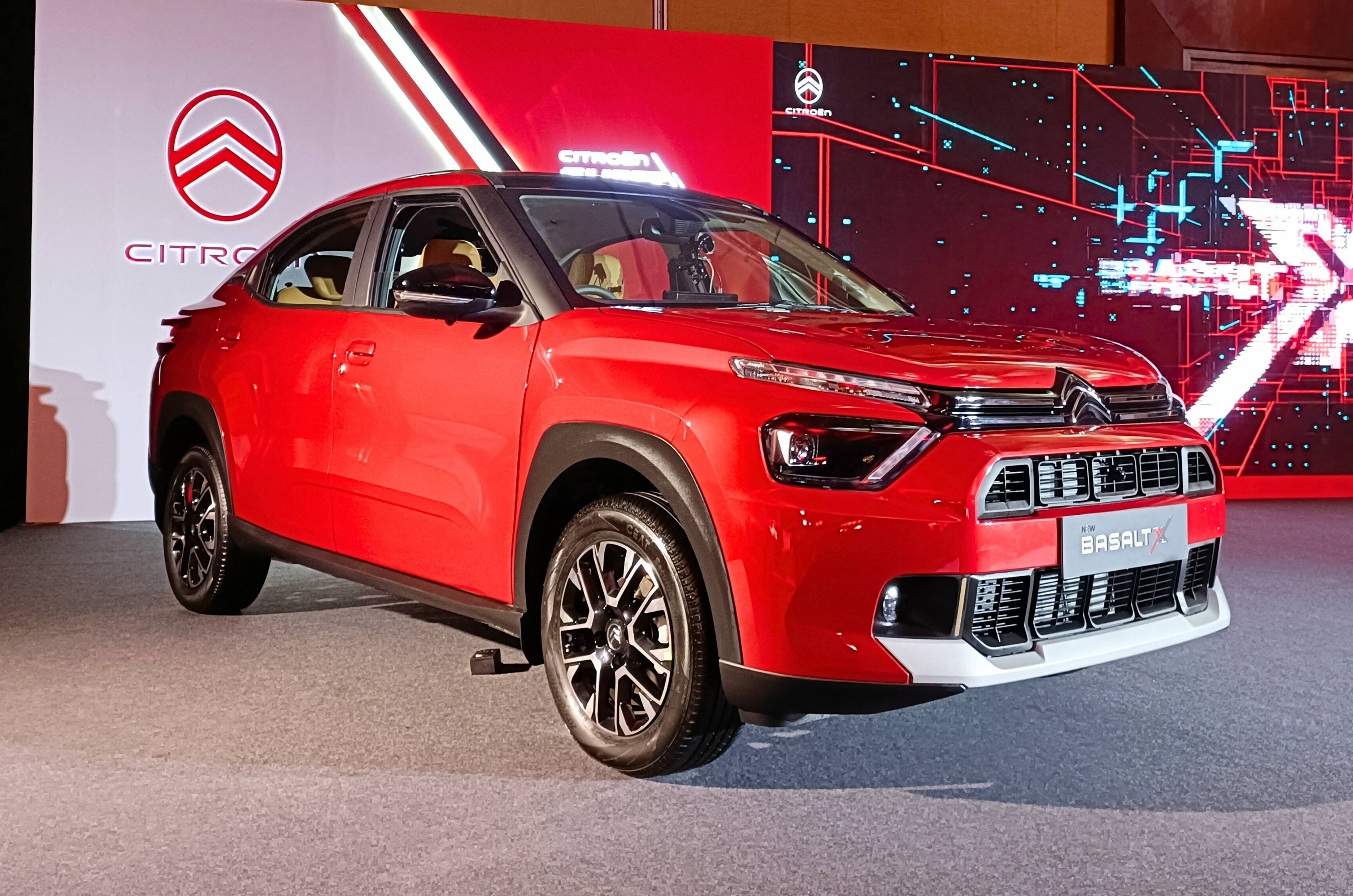
The Basalt competes in the same space as the Aircross – albeit at a slightly lower price point – and offers virtually identical powertrains and features, but in a sportier 5-seater coupe SUV form factor akin to the Tata Curvv. This unconventional body style, coupled with Citroen’s limited footprint in India, are likely turning a lot of buyers away from the Basalt, but its substantial feature set and attractive pricing warrant more attention.
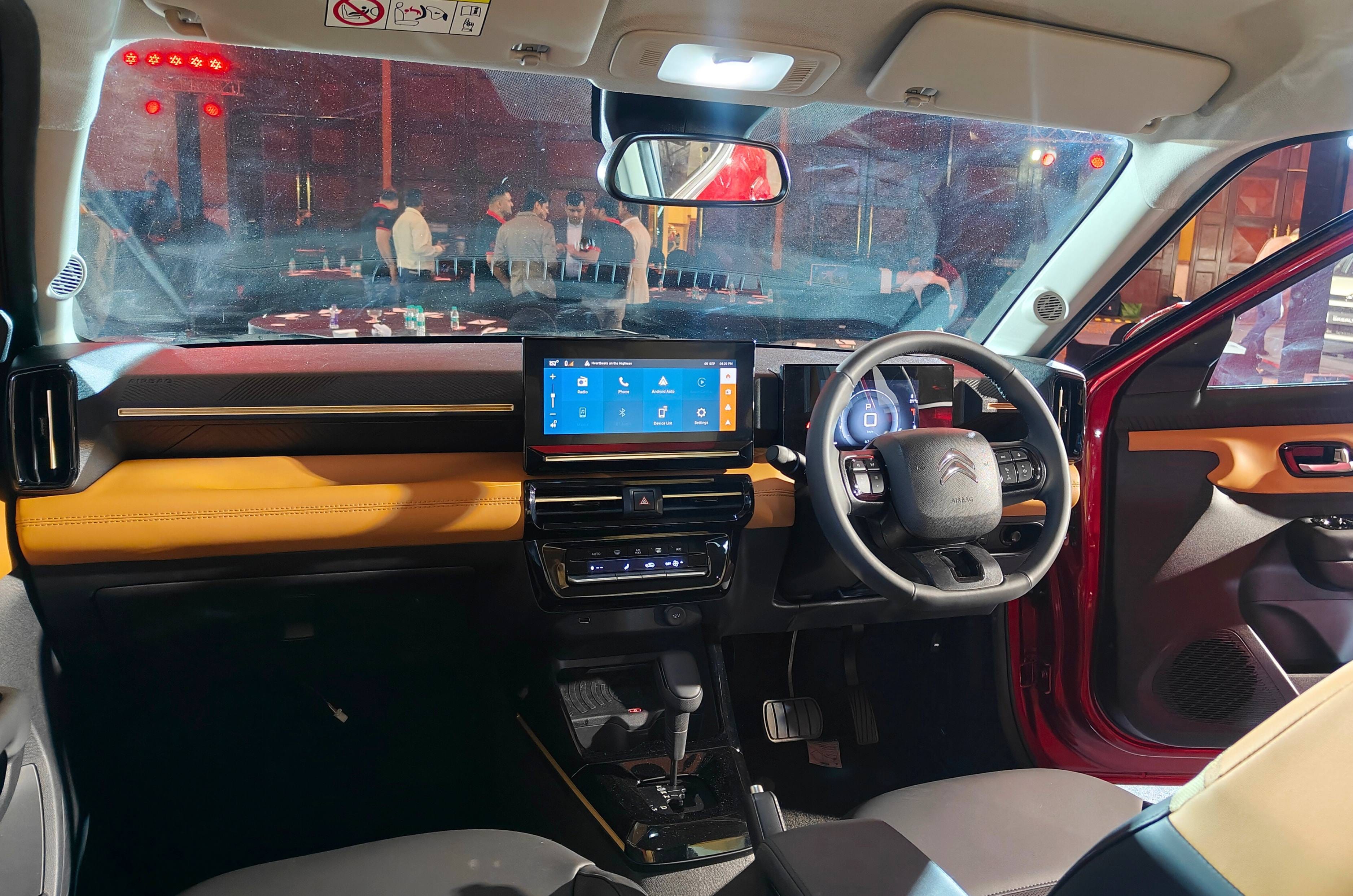
Under the bonnet, the Basalt comes with two 1.2-litre 3-cylinder petrol engines: an 82hp naturally aspirated and a 110hp turbocharged unit. Gearbox options comprise a 5-speed manual for the NA engine, and 6-speed manual and 6-speed automatic options for the turbo-petrol mill.
Maruti Suzuki Ignis
Starting price: Rs 5.35 lakh
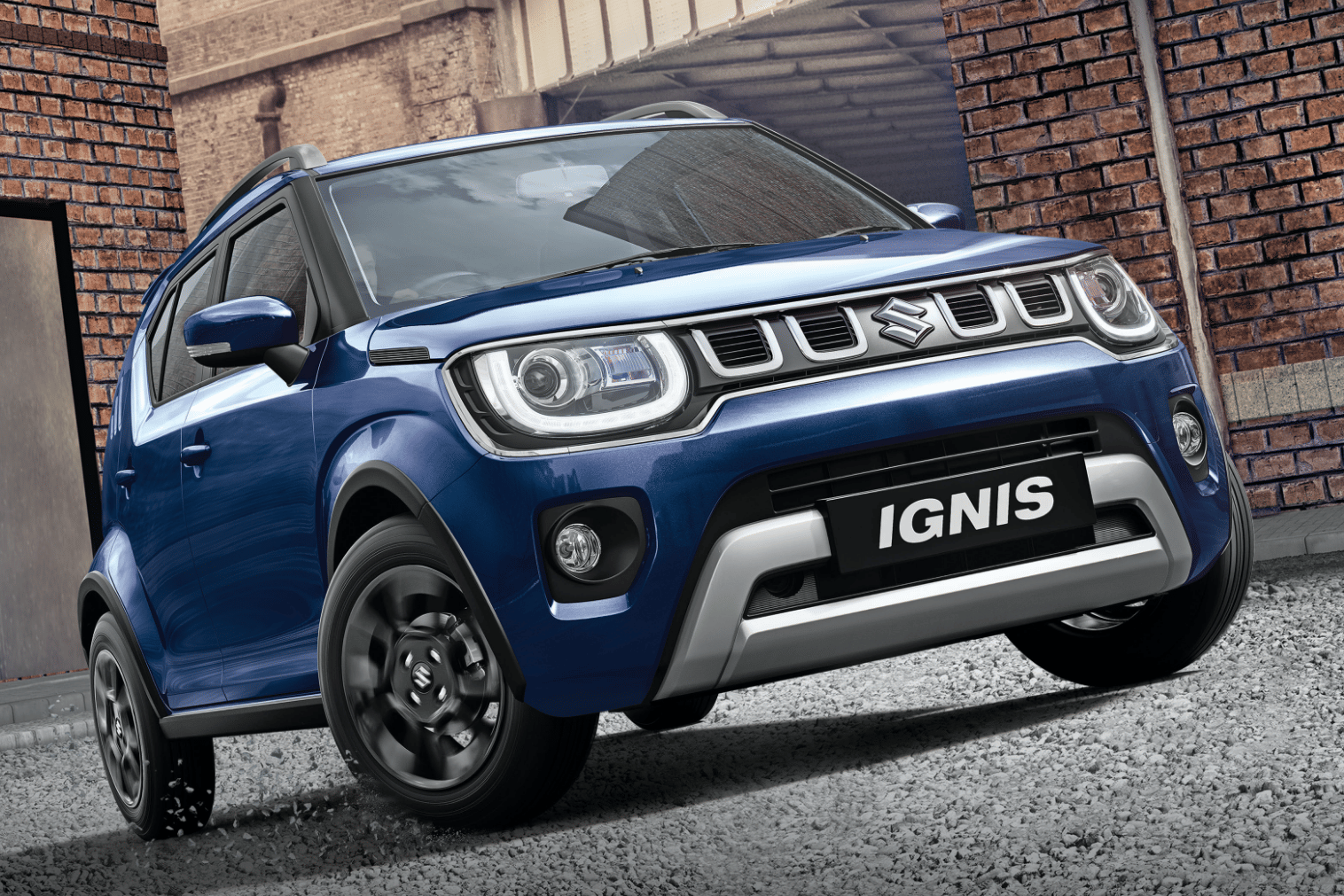
The Ignis is now in its ninth year on sale, and while its rivals are newer and more feature-packed, the Maruti hatchback still stands as an affordable, quirky-looking, fuel-efficient, and surprisingly spacious option. It’s powered by a 1.2-litre petrol engine that outputs 83hp and 113Nm, with 5-speed manual and 5-speed AMT gearboxes. Owing to its lightness, the Ignis feels agile and fun-to-drive too.
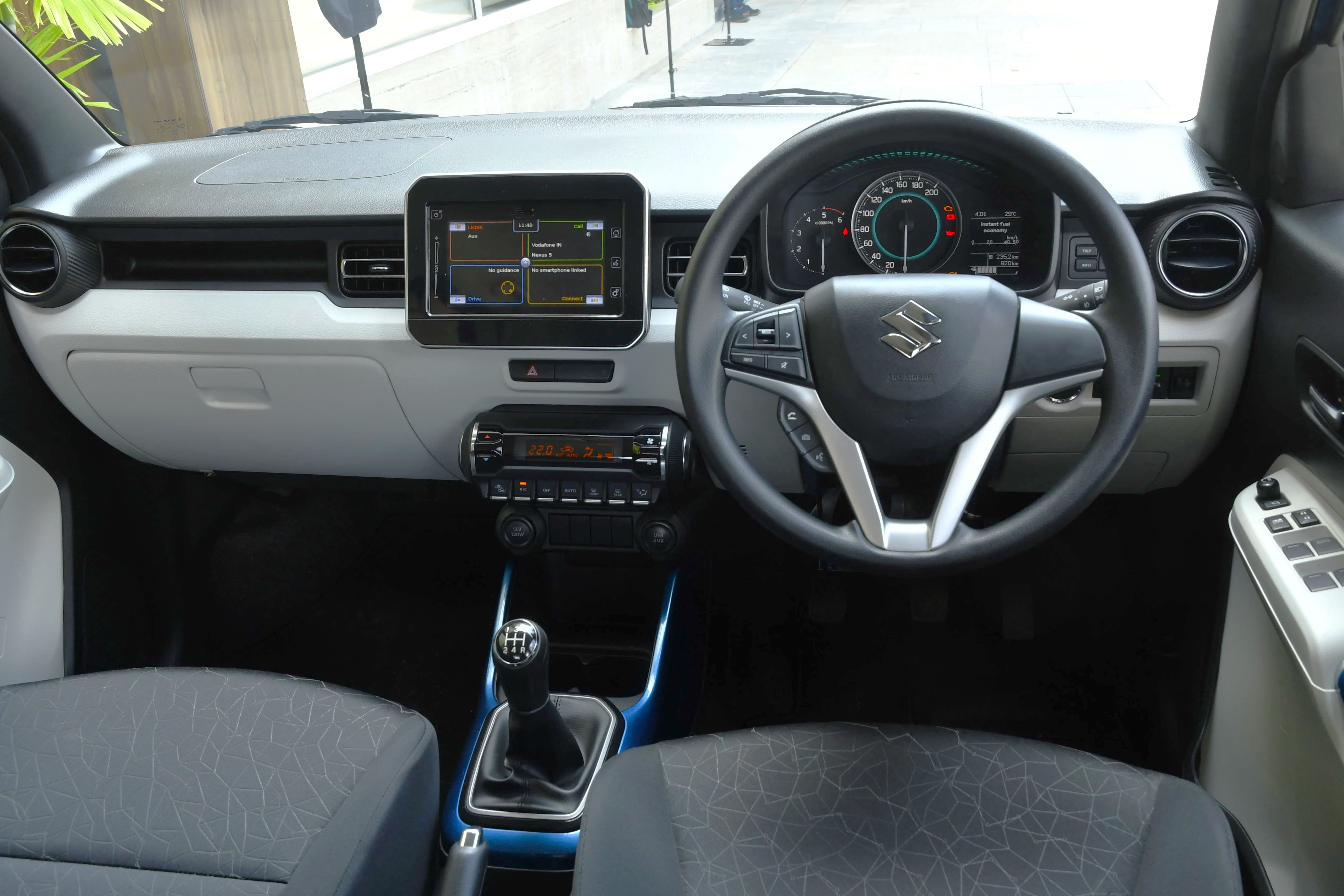
As for features, the Ignis covers the basics by offering a 7-inch infotainment touchscreen, 4-speaker sound system, LED projector headlights, front and rear power windows, push-button start/stop, powered ORVMs, automatic climate control, and more.
Citroen C3
Starting price: Rs 4.95 lakh
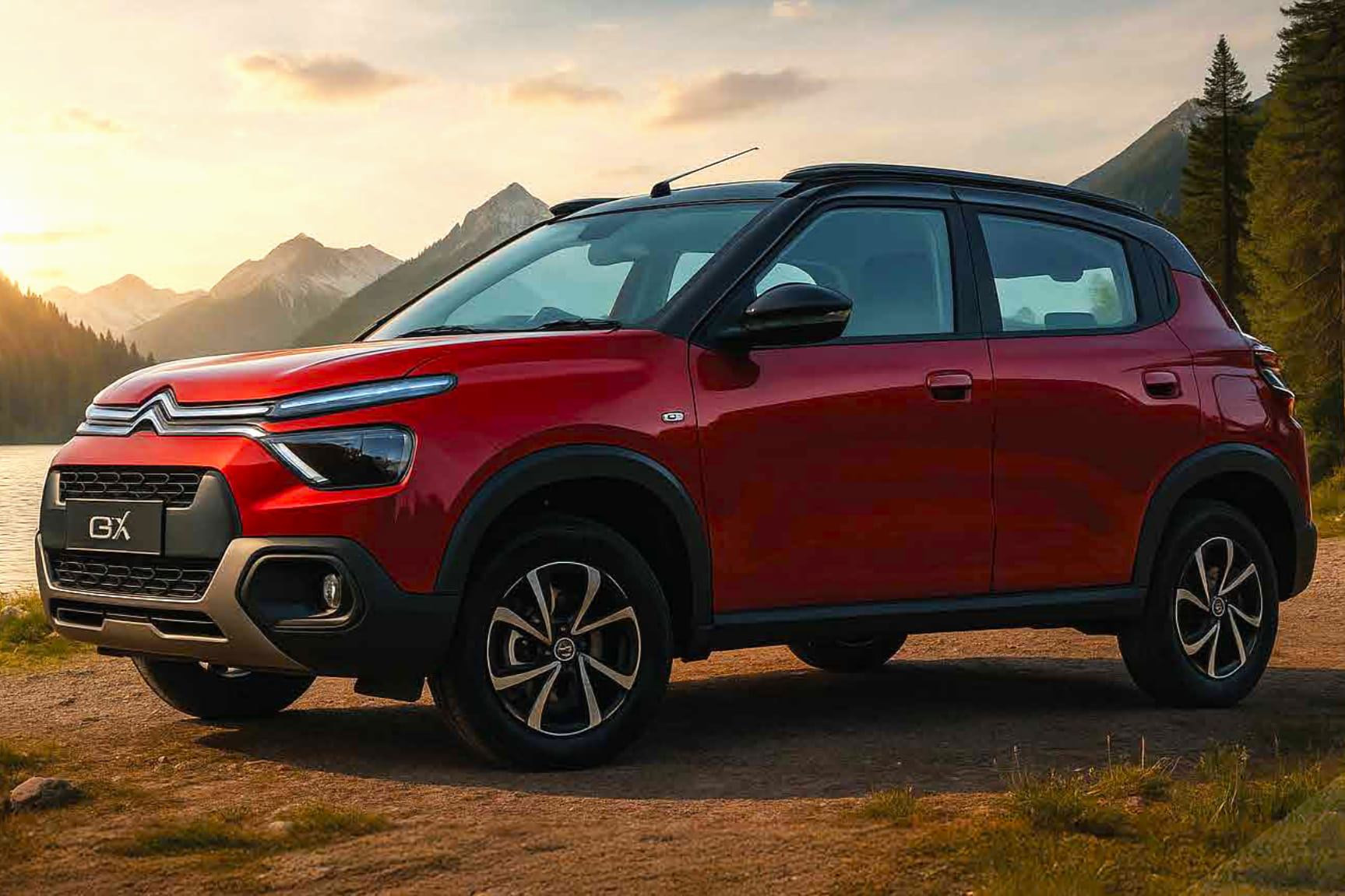
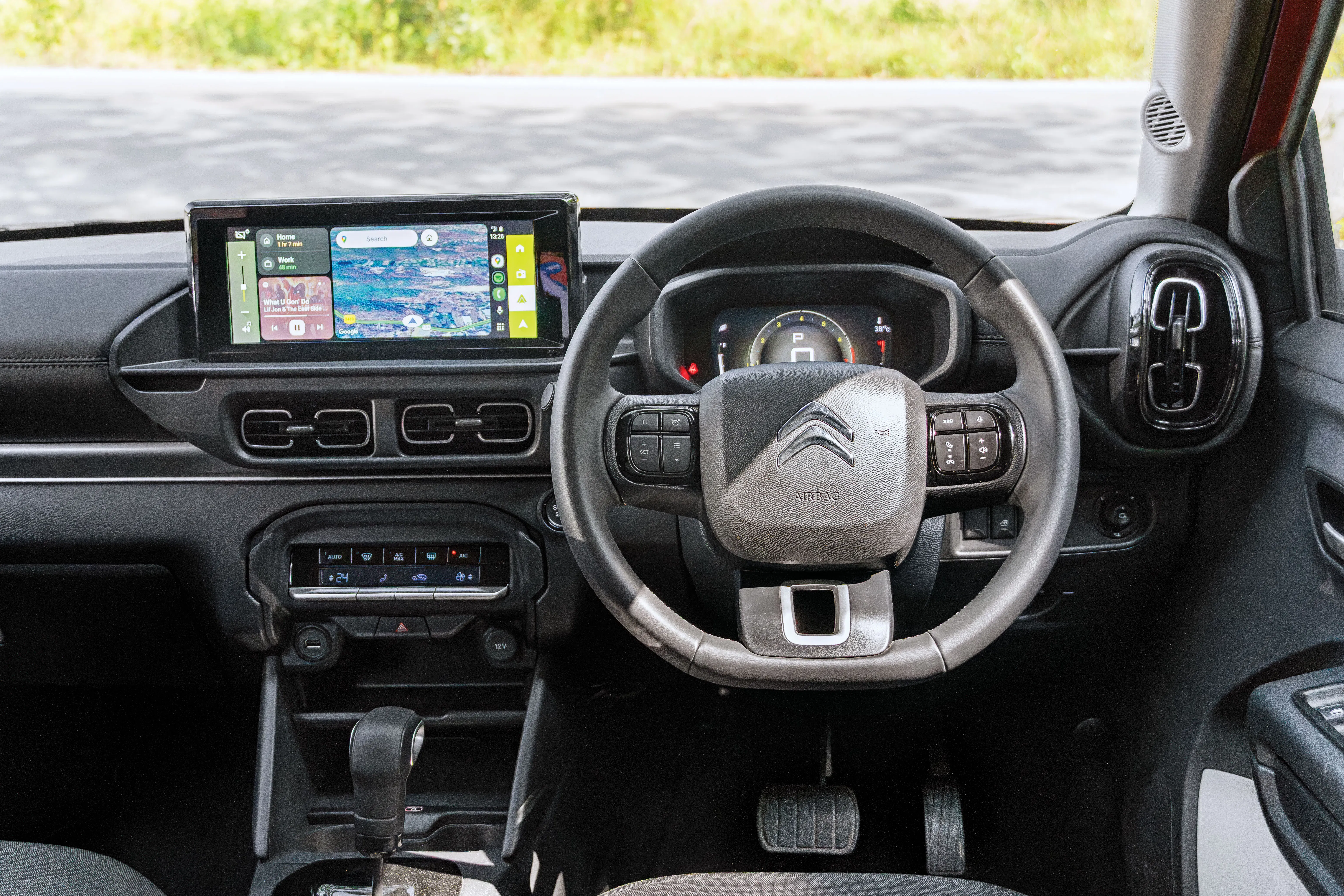
Completing the Citroen trifecta and ranking as the most affordable car on this list is the C3 hatchback. Like the Basalt and Aircross, the C3 received an X update in 2025 that added features like an auto-dimming IRVM, keyless entry, push-button start/stop, a leatherette dashboard finish, cruise control (AT only), and an optional 360-degree camera. These new goodies are available in the top-spec C3 X Shine trim level, which is priced from Rs 7.63 lakh-9.45 lakh – phenomenal value for money.
Moreover, the C3 is powered by the same 1.2-litre 3-cylinder NA petrol and turbo-petrol engines as the Basalt and Aircross, with the latter powerplant feeling especially lively in the hatchback form factor. In fact, the C3 Turbo AT pulled a 0-100 kph time of 10.82 seconds in our testing, which is quicker than the turbo-petrol automatic variants of the Magnite and Taisor.
All prices are ex-showroom, India.
from Autocar India https://ift.tt/rnH02Cc


Comments
Post a Comment